Peking University Scholars Arrive in Colombo to Study Depth of Sri Lanka-China Ties Beyond Trade
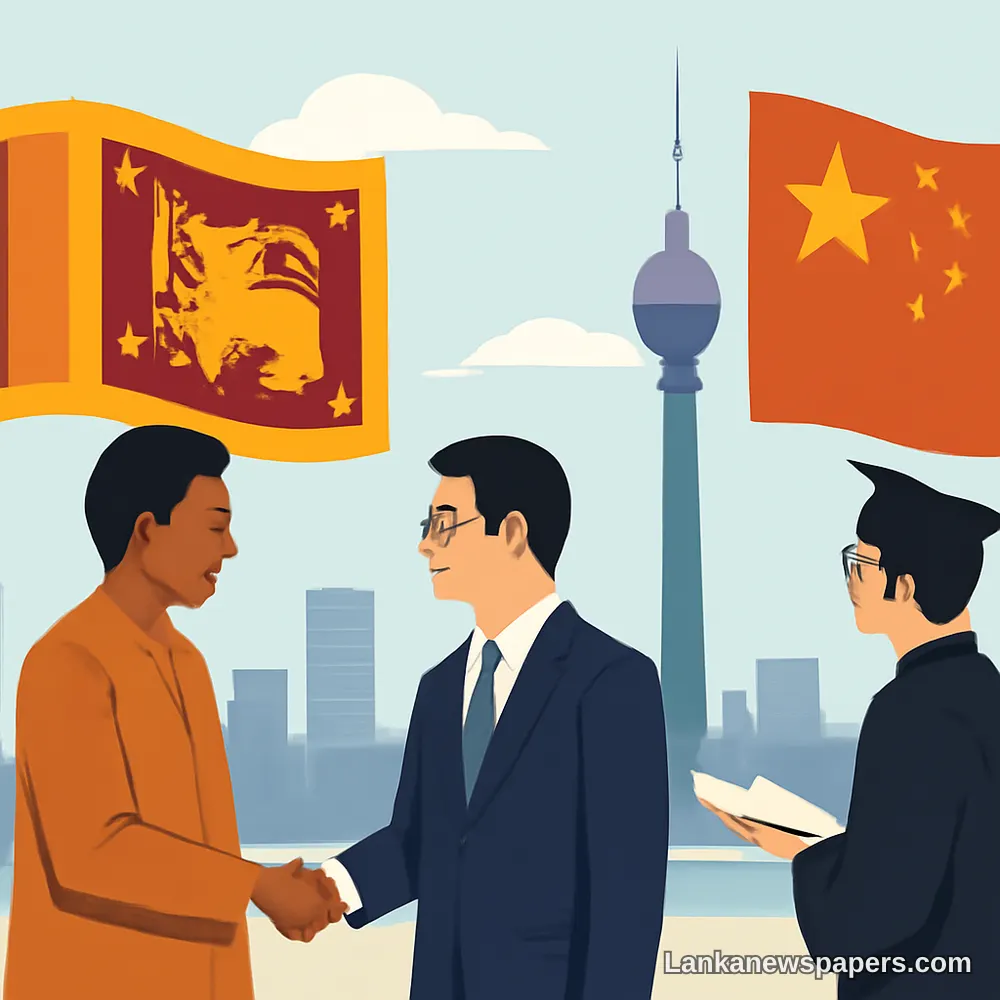
A delegation from one of China's most prestigious academic institutions, Peking University, has arrived in Colombo to conduct in-depth research into the breadth of bilateral cooperation between Sri Lanka and China — a relationship that officials and scholars on both sides describe as extending well beyond commercial interests.
Academic Engagement at the Forefront
The visit by the Peking University delegation signals a growing emphasis on people-to-people and intellectual exchanges between the two nations, complementing the economic and infrastructure ties that have long defined their partnership. Researchers from the delegation engaged with key stakeholders in Colombo as part of a structured study into the evolving nature of Sri Lanka-China relations.
The delegation's presence in the capital underscores Beijing's sustained interest in deepening its understanding of Sri Lanka's political, social, and economic landscape — not merely as a trade partner or investment destination, but as a country with which China seeks a more comprehensive and enduring relationship.
A Partnership Described as Multidimensional
Both sides have increasingly used language that frames their bilateral ties in terms that go beyond port deals and loan agreements. The characterisation of the relationship as one rooted in shared historical goodwill, cultural affinity, and strategic mutual benefit has become a recurring theme in official dialogue.
Sri Lanka has been a significant recipient of Chinese infrastructure investment, including the Hambantota Port and the Colombo Port City project. However, delegations such as this one from Peking University suggest that China is equally invested in the softer dimensions of the relationship — academic research, policy dialogue, and scholarly documentation of cooperation outcomes.
Research Conducted in Colombo
During their time in Colombo, the Peking University researchers are understood to have conducted meetings and consultations aimed at gathering firsthand perspectives on how bilateral cooperation has unfolded across various sectors. The research is expected to contribute to academic literature and potentially inform policy thinking on both sides.
Such academic missions are seen as part of a broader Chinese strategy to foster intellectual ties with partner nations, building a foundation of knowledge and narrative that supports long-term diplomatic and economic engagement.
Significance for Sri Lanka
For Sri Lanka, which has navigated complex relationships with multiple global powers including India, the United States, and Japan, engagement at the academic level with China carries its own diplomatic significance. It reflects an openness to robust intellectual exchange even as the country works to balance its foreign policy priorities.
Observers note that visits of this nature help build institutional familiarity between the two countries, creating channels of communication that can prove valuable during periods of diplomatic or economic tension.
The delegation's research in Colombo is expected to be published and shared within Chinese academic and policy circles, potentially shaping how China perceives and engages with Sri Lanka in the years ahead.



💬 Join the Discussion 2
See what readers are saying — and add your view.
beyond trade means what exactly? debt traps also "beyond trade" no?
exactly what I was thinking. study our poverty also while they're at it