Sri Lanka's Dengue Crisis Declared Epidemic as Case Count Surpasses 50,000
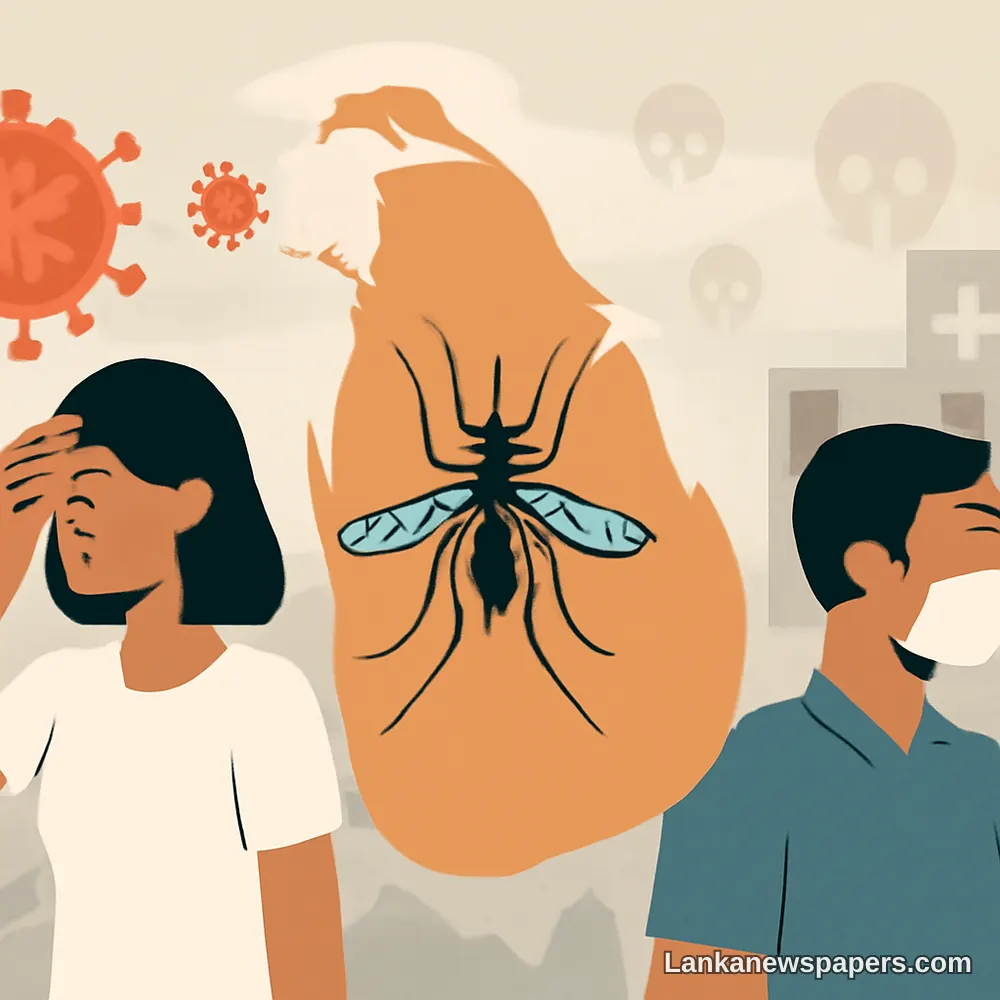
Health Authorities Sound Alarm as Dengue Cases Surge Nationwide
Sri Lanka is grappling with a full-blown dengue epidemic after health officials confirmed that the number of reported cases has crossed the 50,000 mark, prompting urgent warnings from authorities across the island.
Health officials have formally classified the dengue outbreak as having reached epidemic proportions, signalling a significant escalation in the severity of the mosquito-borne disease that has long posed a recurring public health challenge for Sri Lanka.
A Crisis Demanding Immediate Attention
The crossing of the 50,000 case threshold has intensified pressure on the country's healthcare system, with hospitals in several districts reporting increased admissions of dengue patients. Medical professionals are urging the public not to take early symptoms lightly, as delayed treatment can lead to severe complications and, in the worst cases, death.
Dengue fever, spread through the bite of the Aedes aegypti mosquito, typically peaks during and after periods of heavy rainfall when stagnant water provides ideal breeding grounds. Sri Lanka's tropical climate and monsoon seasons have historically made it vulnerable to such outbreaks.
What the Public Should Watch For
- Sudden high fever lasting several days
- Severe headaches and pain behind the eyes
- Joint and muscle pain
- Skin rashes appearing after the onset of fever
- Nausea, vomiting, and fatigue
Authorities Urge Community Action
Health officials are calling on residents, local government bodies, and community organisations to take an active role in eliminating mosquito breeding sites. Clearing blocked drains, covering water storage containers, and disposing of items that collect rainwater are among the key preventive measures being advocated.
Health authorities have stressed that controlling the mosquito population at the community level remains the most effective weapon against containing the spread of the disease.
The government is expected to step up surveillance efforts and public awareness campaigns as the country works to bring the outbreak under control. Citizens are advised to seek medical attention immediately upon experiencing symptoms consistent with dengue fever, rather than resorting to self-medication.
With cases continuing to climb, Sri Lanka faces one of its most serious dengue crises in recent years, and the collective response of both authorities and the public will be critical in determining how quickly the epidemic can be brought to heel.


💬 Join the Discussion 0
Be the first to share your view on this story.