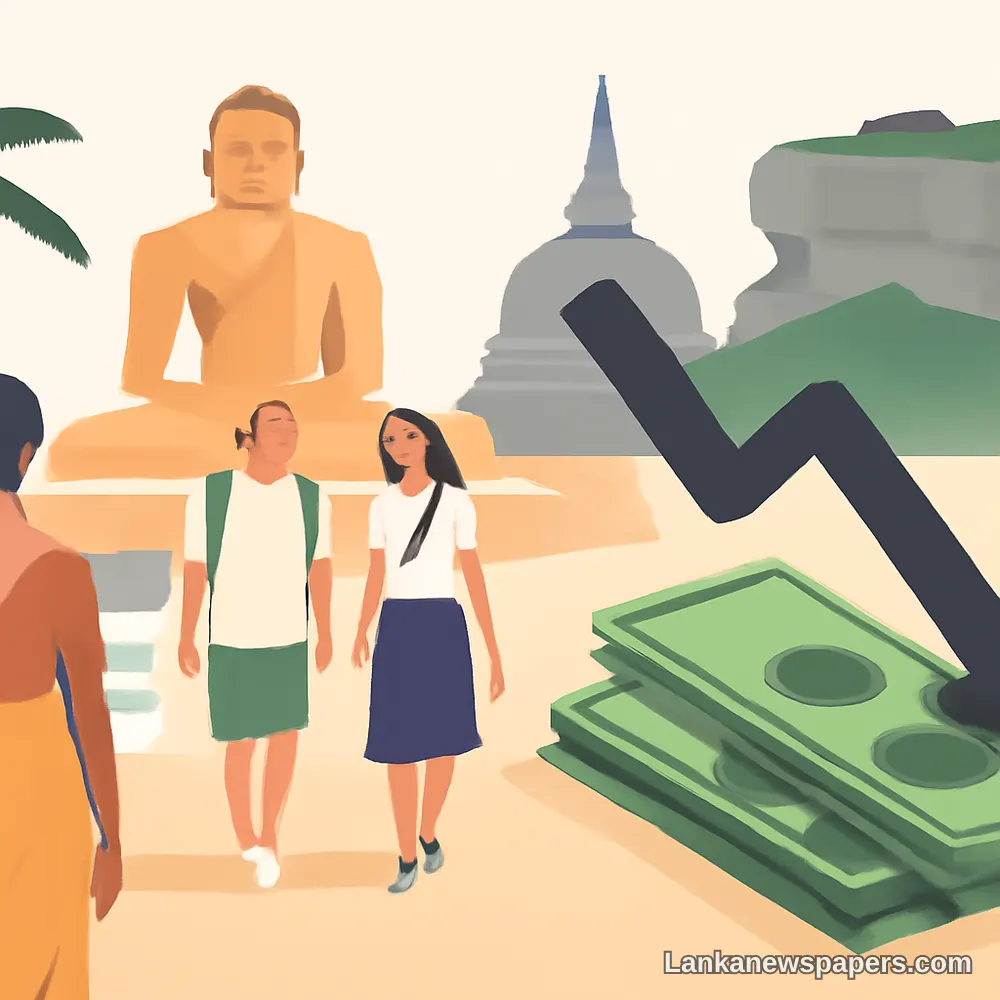
Sri Lanka is welcoming more tourists than ever, yet the economic returns from the industry tell a starkly different story — one that is raising serious concerns among policymakers, industry stakeholders, and economists alike.
Arrivals Up, Earnings Down
The island nation has recorded a notable surge in visitor arrivals in recent times, a development that on the surface appears to signal a robust recovery for a tourism sector battered by years of crisis. However, beneath those encouraging headline numbers lies an uncomfortable paradox: the revenue generated per tourist is falling, meaning Sri Lanka is working harder to earn less from each visitor it attracts.
This disconnect between visitor volumes and actual income has emerged as one of the most pressing challenges facing the country's tourism industry today.
The Low-Spend Visitor Problem
A significant part of the problem stems from the changing profile of tourists arriving in Sri Lanka. The country has seen a growing influx of budget-conscious travellers who spend comparatively little during their stay. While their numbers bolster arrival statistics, their limited expenditure on accommodation, dining, activities, and retail fails to translate into meaningful economic gains for local businesses and the broader economy.
High-spending tourists, who would typically patronise premium hotels, fine dining establishments, and curated experience providers, remain in shorter supply than the industry would prefer.
Structural Weaknesses in the Sector
Industry observers point to several structural issues that compound the revenue shortfall. These include:
- A heavy reliance on informal and unregulated accommodation options that draw spending away from registered tourism businesses
- Leakages in the tourism economy, where a portion of visitor spending benefits foreign-owned enterprises rather than local operators
- Inadequate premium tourism infrastructure and experiences capable of attracting and retaining high-value travellers
- Limited diversification beyond traditional beach and heritage tourism offerings
A Question of Strategy
The situation has prompted renewed debate about whether Sri Lanka's tourism promotion strategy is appropriately calibrated. Simply chasing higher arrival numbers, critics argue, is an insufficient measure of success if the quality and spending power of those visitors is not simultaneously prioritised.
The goal should not merely be to fill the country with tourists, but to attract the right kind of tourists who contribute meaningfully to the local economy and support sustainable growth in the sector.
Calls are growing for a more targeted approach — one that positions Sri Lanka as a premium destination capable of competing with regional rivals on quality and experience, rather than volume alone.
The Road Ahead
For a country still navigating the aftermath of its worst economic crisis in decades, maximising the returns from tourism is not simply a matter of industry preference — it is an economic imperative. Foreign exchange earnings from tourism play a vital role in stabilising Sri Lanka's balance of payments and supporting its ongoing recovery.
Stakeholders are urging the government and the Sri Lanka Tourism Development Authority to revisit promotional strategies, invest in upskilling the tourism workforce, and create an enabling environment that encourages higher-value visitor experiences across the island.
Without a deliberate shift in focus, Sri Lanka risks cementing itself in a low-yield tourism trap — busy, but not prosperous.


💬 Join the Discussion 1
See what readers are saying — and add your view.
all these tourists but money not staying in the country, typical