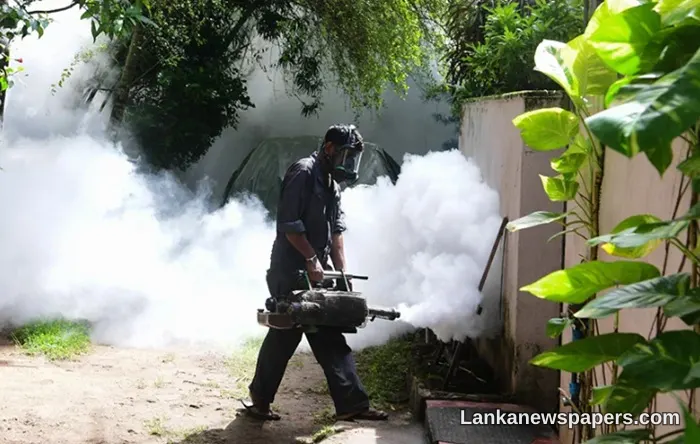
Sri Lanka is facing a worsening dengue emergency, with the total number of reported cases across the country climbing to 49,000, prompting urgent warnings from health authorities urging the public to take immediate preventive action.
A Rapidly Escalating Health Threat
The sharp rise in dengue infections has raised serious concerns among public health officials, who are monitoring the situation closely as the case count edges dangerously close to the 50,000 mark. The surge has been reported across multiple regions of the island, placing increased pressure on hospitals and healthcare workers already managing a demanding patient load.
Health authorities have stressed that the spread of the mosquito-borne disease can be significantly curtailed if households and communities take swift and consistent preventive measures to eliminate potential mosquito breeding grounds.
What the Public Must Do
Officials are urging all Sri Lankans to remain vigilant and adopt the following precautionary steps to help contain the outbreak:
- Remove stagnant water from flowerpots, tyres, containers, and any other water-collecting objects around the home
- Ensure proper covering of water storage tanks and barrels
- Use mosquito repellents and protective clothing, particularly during dawn and dusk when mosquitoes are most active
- Seek immediate medical attention if symptoms such as high fever, severe headache, joint pain, or skin rashes develop
A Recurring National Challenge
Dengue fever has long been a recurring public health challenge in Sri Lanka, with case numbers typically spiking during and after periods of heavy rainfall when standing water provides ideal breeding conditions for the Aedes aegypti mosquito, the primary carrier of the dengue virus.
Health authorities have reiterated that community participation is the single most effective tool in fighting the spread of dengue, and that government efforts alone are insufficient without the active cooperation of every citizen.
Medical professionals are reminding the public that dengue can progress rapidly into a severe and potentially life-threatening condition if left untreated. Early diagnosis and timely hospital care remain critical to reducing fatalities associated with the disease.
Authorities have called on local government bodies, schools, and community organisations to mobilise awareness campaigns and inspection drives in their respective areas to help bring the escalating outbreak under control.



💬 Join the Discussion 0
Be the first to share your view on this story.