Sri Lanka's Dengue Crisis: Case Count Approaches 50,000 as Health Authorities Urge Vigilance
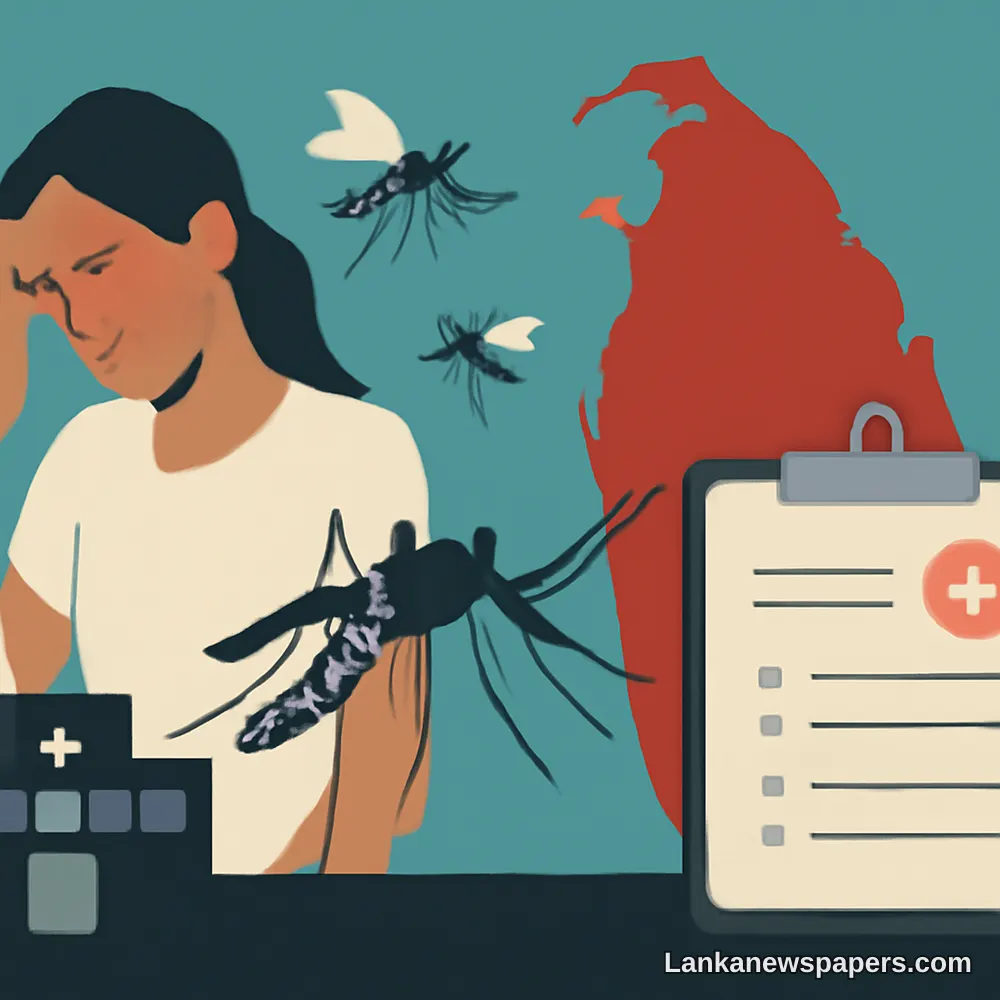
Sri Lanka is grappling with a worsening dengue outbreak, with the national case count rapidly closing in on the 50,000 mark, raising serious public health concerns across the island. Health authorities are sounding the alarm and urging communities to take immediate preventive action as transmission rates continue to climb.
A Growing Public Health Emergency
The surge in dengue cases has placed considerable pressure on the country's healthcare system, with hospitals in multiple provinces reporting increased admissions of patients presenting with symptoms of the mosquito-borne illness. The Aedes aegypti mosquito, the primary carrier of the dengue virus, thrives in stagnant water — a condition that becomes increasingly common during periods of heavy rainfall.
Medical professionals warn that the situation could deteriorate further if households and local communities do not take swift and sustained action to eliminate mosquito breeding grounds in and around their properties.
Who Is Most at Risk?
While dengue can affect anyone, children, the elderly, and individuals with underlying health conditions face a heightened risk of developing severe dengue, which can be life-threatening if not treated promptly. Early detection and timely medical attention remain critical to preventing fatalities.
Key Prevention Measures Every Sri Lankan Should Follow
Health officials are reminding the public that dengue prevention is a shared responsibility. The following steps are strongly recommended:
- Remove all stagnant water from flowerpots, buckets, tyres, and other containers around the home.
- Cover water storage tanks and barrels securely at all times.
- Use mosquito repellents, particularly during early morning and evening hours when mosquitoes are most active.
- Sleep under mosquito nets, especially for young children and the elderly.
- Wear long-sleeved clothing to minimise skin exposure.
- Report suspected dengue breeding sites to local public health inspectors without delay.
Recognising the Symptoms
Residents are advised to seek immediate medical attention if they experience high fever, severe headaches, pain behind the eyes, joint and muscle pain, nausea, vomiting, or the appearance of a skin rash. These are common early indicators of dengue infection, and prompt diagnosis is essential for effective management of the disease.
Health authorities emphasise that early medical consultation can make a critical difference in patient outcomes, and self-medication is strongly discouraged.
A Call for Community Action
With the case toll nearing a significant milestone, the responsibility to contain this outbreak cannot rest solely with government agencies and healthcare workers. Every Sri Lankan household has a vital role to play. Maintaining clean surroundings, participating in community clean-up drives, and staying informed about developments in your area are all meaningful steps toward curbing the spread of this preventable disease.
Authorities continue to monitor the situation closely and are expected to intensify vector control operations in high-risk districts in the coming weeks.



💬 Join the Discussion 3
See what readers are saying — and add your view.
can someone tell me which areas are most affected? asking for family in Colombo
every year same thing, goverment does nothing until people start dying
exactly, only talk talk, no action on the ground