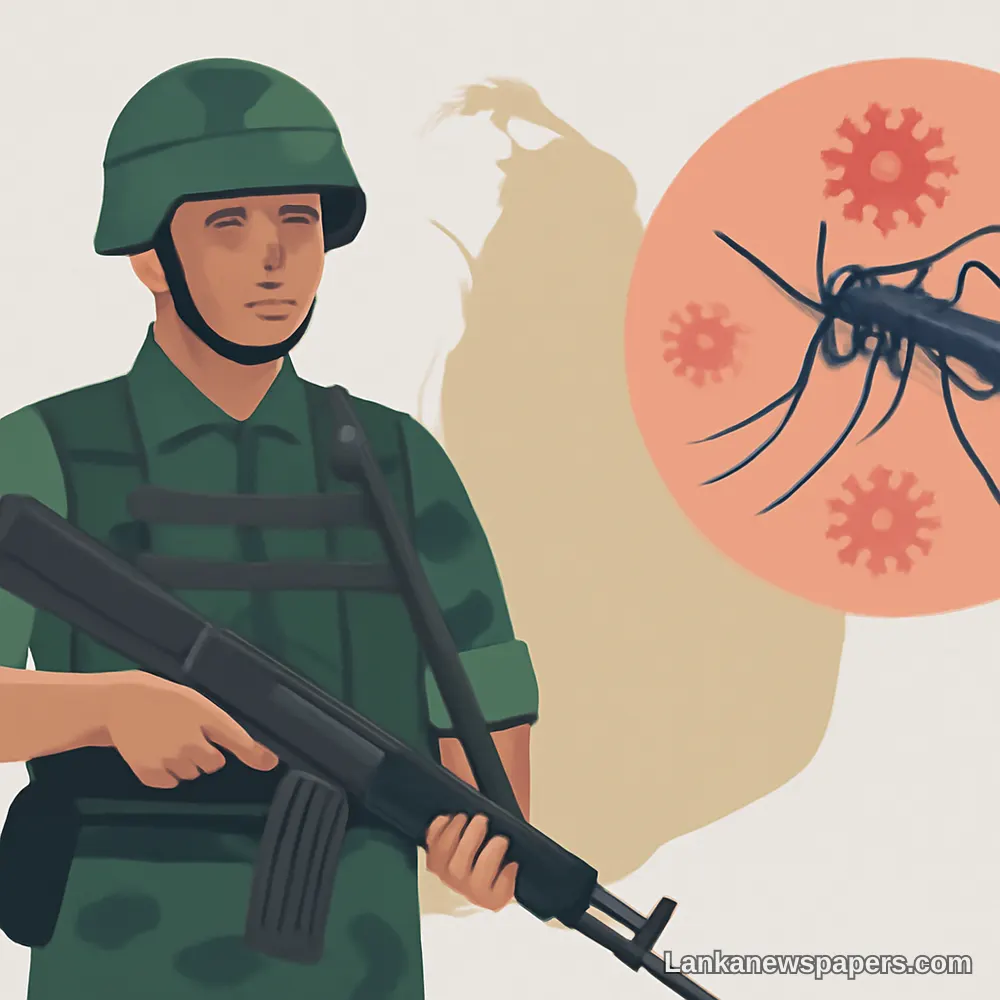
Armed Forces Mobilised to Combat Escalating Dengue Threat
Sri Lanka has called upon its military forces to join the frontline battle against a mounting dengue fever crisis, as the number of reported cases continues to climb across the island. The decision to deploy troops reflects the growing urgency of a public health situation that authorities can no longer address through civilian health services alone.
A Public Health Emergency Taking Shape
Dengue fever, transmitted through the bite of the Aedes aegypti mosquito, remains one of Sri Lanka's most persistent and deadly seasonal health challenges. The disease strikes hardest during and after periods of heavy rainfall, when stagnant water provides ideal breeding conditions for mosquitoes. With cases rising at an alarming rate, health officials have signalled that urgent and coordinated intervention is essential.
The military's involvement is expected to bring both manpower and organisational discipline to a campaign that requires large-scale, systematic action across multiple districts simultaneously.
What the Military Deployment Will Involve
Troops are expected to assist in a range of mosquito control and public awareness activities, which may include:
- Identifying and eliminating mosquito breeding grounds in residential and public areas
- Conducting house-to-house inspections to locate stagnant water sources
- Supporting fumigation and fogging operations in high-risk communities
- Assisting local health authorities in community education efforts
Authorities Urge Public Cooperation
While the government has taken the decisive step of mobilising the armed forces, health officials stress that the cooperation of ordinary Sri Lankans remains absolutely critical. Dengue prevention is not a responsibility that rests with the state alone — households, businesses, and community organisations all have a role to play in eliminating the conditions that allow mosquitoes to breed.
Residents are being urged to regularly empty containers that collect rainwater, keep drains clear, and seek medical attention promptly if they experience symptoms such as high fever, severe headaches, pain behind the eyes, or skin rashes.
A Recurring National Challenge
Sri Lanka has battled repeated and sometimes devastating dengue outbreaks over the years, with certain periods recording thousands of cases and a significant number of deaths. The disease places enormous strain on hospitals and healthcare workers, particularly in the Western Province, where population density accelerates transmission. The current rise in cases has once again brought the issue to the top of the national health agenda, prompting authorities to respond with one of their most visible interventions to date.
As troops prepare to take to the field alongside public health teams, the hope is that a coordinated, island-wide effort can reverse the trend and prevent the situation from escalating into a full-blown epidemic.



💬 Join the Discussion 2
See what readers are saying — and add your view.
finally goverment doing something. dengue kills ppl and nobody cared before
doing something means nothing if drains still blocked in our area