GSP+ Trade Benefits at Risk If PTA Not Replaced With Acceptable Law, Warns GL Peiris

Former External Affairs Minister Prof. G.L. Peiris has issued a stark warning that Sri Lanka's preferential trade status under the European Union's GSP+ scheme could be placed in serious jeopardy if the current National People's Power government fails to replace the controversial Prevention of Terrorism Act (PTA) with legislation that meets international standards.
A Critical Trade Lifeline Under Threat
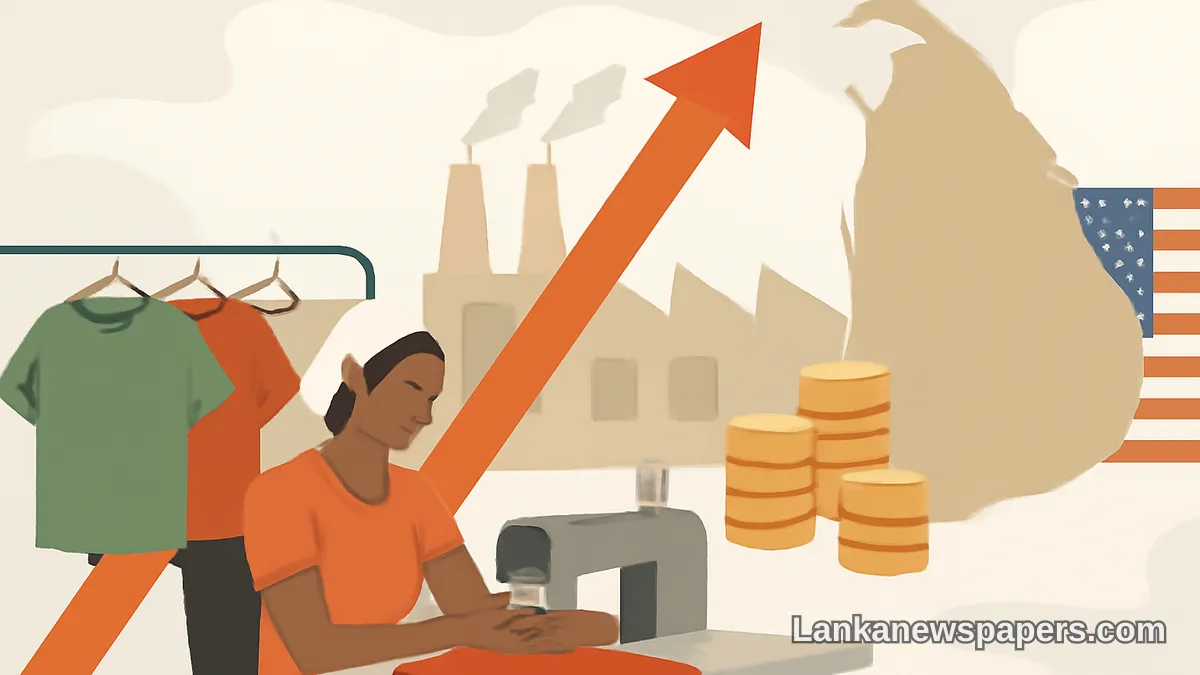
The GSP+ arrangement grants Sri Lankan exporters significantly reduced tariffs on goods entering EU markets, providing a vital boost to key industries including garments, fisheries, and rubber products. The concession is conditional upon the country demonstrating meaningful progress on a range of human rights and governance benchmarks — among them, reforms to counter-terrorism legislation long criticised by international bodies.
Prof. Peiris, a veteran diplomat and former minister who has handled Sri Lanka's foreign affairs portfolio, cautioned that the NPP administration must move decisively on this front. He stressed that merely expressing intent to reform the PTA would not be sufficient to satisfy European partners who have been monitoring the situation closely for several years.
Long-Standing Criticism of the PTA
The Prevention of Terrorism Act has drawn sustained criticism from human rights organisations, legal experts, and foreign governments, who argue that its broad provisions have enabled prolonged detention without adequate judicial oversight and have disproportionately affected minority communities. The EU has previously flagged concerns about the PTA as part of its periodic reviews of Sri Lanka's compliance with GSP+ conditionalities.
Previous administrations had promised reforms on multiple occasions, yet comprehensive replacement legislation has never been enacted. Civil society groups and opposition politicians alike have urged successive governments to introduce a law that balances national security imperatives with internationally recognised rights protections.
Pressure Mounts on the NPP Government
Prof. Peiris's warning adds to growing pressure on President Anura Kumara Dissanayake's administration to treat the matter as an urgent legislative priority. Sri Lanka's export sector, which depends heavily on the preferential access that GSP+ provides, stands to suffer considerably should the EU decide to suspend or withdraw the concession.
The stakes are particularly high given Sri Lanka's ongoing economic recovery following the severe foreign exchange crisis of recent years. Loss of GSP+ benefits would deal a damaging blow to an export industry that employs hundreds of thousands of workers across the island.
As parliament resumes its legislative agenda, industry stakeholders and foreign policy observers will be watching closely to see whether the government takes concrete steps toward introducing anti-terrorism legislation capable of satisfying both domestic legal requirements and the scrutiny of Sri Lanka's European trading partners.

💬 Join the Discussion 2
See what readers are saying — and add your view.
GL talking sense for once. PTA needs to go, everyone knows that.
agree but who will replace it, NPP has no proper plan yet