Dengue Crisis Deepens: How Sri Lanka's Worsening Outbreak Is Pushing Public Health Services to the Brink
A Public Health Emergency in the Making
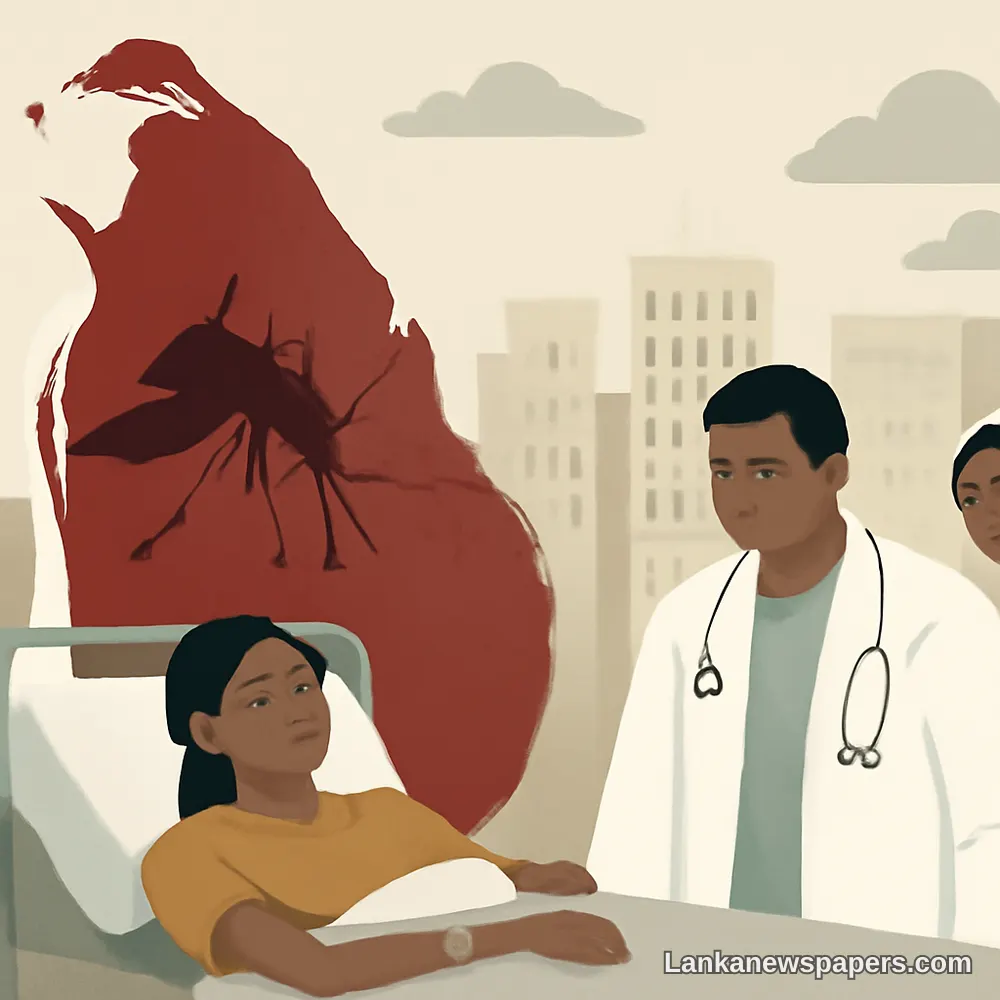
Sri Lanka is grappling with a severe dengue outbreak that is placing enormous pressure on its already stretched public health infrastructure, with hospitals across the island reporting surging patient numbers and health authorities scrambling to contain the spread of the mosquito-borne disease.
Rising Case Numbers Sound the Alarm
The island nation has recorded a significant spike in dengue cases in recent months, with health officials warning that the situation could deteriorate further if urgent preventive measures are not implemented at both community and government levels. The outbreak has affected multiple provinces, with densely populated urban areas proving particularly vulnerable.
Sri Lanka has historically faced recurring dengue outbreaks, but health professionals say the current wave is among the more severe in recent years, straining ward capacity, medical staff and critical supplies such as intravenous fluids and platelets used in treating serious cases.
Why the Health Sector Is Struggling
Several interconnected factors are contributing to the pressure on Sri Lanka's public health system:
- Hospitals in affected districts are reporting bed shortages as dengue patient admissions rise sharply.
- The country's healthcare sector is still recovering from the economic crisis of 2022, which caused severe shortages of medicines and medical equipment.
- A shortage of trained public health inspectors and field workers has hampered mosquito breeding site identification and elimination efforts.
- Inadequate waste management and stagnant water in urban and semi-urban areas continue to provide ideal breeding grounds for the Aedes aegypti mosquito, the primary carrier of the dengue virus.
Climate and Seasonal Conditions Fuelling the Spread
Health experts point to climatic conditions as a key driver of this season's outbreak. Prolonged rainfall followed by warm temperatures has created optimal conditions for mosquito breeding across large parts of the country. Changing rainfall patterns linked to broader climate shifts are increasingly being cited as a long-term challenge for dengue control in Sri Lanka.
Public health specialists warn that without sustained community participation in eliminating breeding sites, no government-led intervention alone will be sufficient to bring the outbreak under control.
Authorities Urge Public Vigilance
The Ministry of Health has called on the public to take immediate preventive action, including regularly emptying containers that collect rainwater, using mosquito repellents and seeking early medical attention if dengue symptoms such as high fever, severe headache, pain behind the eyes and joint pain are experienced.
Health authorities have also deployed additional public health inspectors in high-risk areas and launched awareness campaigns targeting schools, workplaces and local communities to reinforce preventive practices.
A Long-Term Challenge Requiring Structural Solutions
Analysts and medical professionals alike stress that Sri Lanka must invest more consistently in its public health infrastructure, environmental management and vector control programmes if it is to reduce the recurring burden of dengue outbreaks. Short-term emergency responses, while necessary, are insufficient substitutes for sustained systemic investment in prevention, surveillance and community health education.
For ordinary Sri Lankans, the message from health authorities is clear: protecting oneself and one's neighbourhood from mosquito breeding is not merely a personal responsibility but a collective duty at a time when the nation's health services can ill afford to be overwhelmed.



💬 Join the Discussion 0
Be the first to share your view on this story.