Wealth Gap Widens: The Defining Challenge Facing Sri Lanka's NPP Government
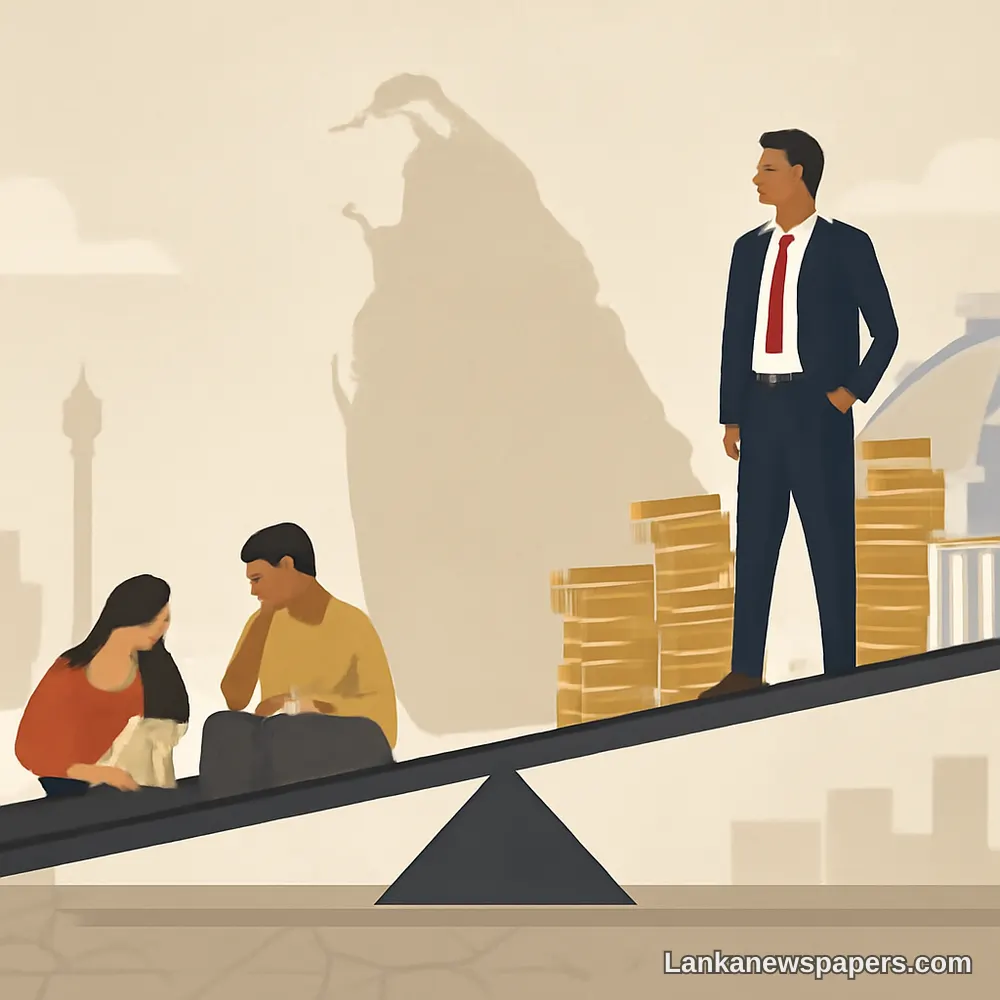
Sri Lanka's ruling National People's Power (NPP) government faces what analysts are describing as one of the most politically volatile challenges of its term — a growing chasm between the wealthy and the poor that threatens to undermine the very mandate that swept it into office.
A Promise Built on Two Pillars
When voters — many of them from Sri Lanka's poorest and most vulnerable communities — cast their ballots in favour of the NPP, they did so with two clear expectations firmly in mind. The first was the eradication of corruption, a plague that has long bled the nation's public finances dry. The second was the swift and decisive implementation of plans to deliver meaningful economic relief to those struggling at the bottom of the income ladder.
These expectations were not accidental. Rooted in the NPP's Marxist political heritage, the party had long championed the cause of working people and the disadvantaged, positioning itself as a transformative force distinct from the traditional political establishment.
The Uncomfortable Reality
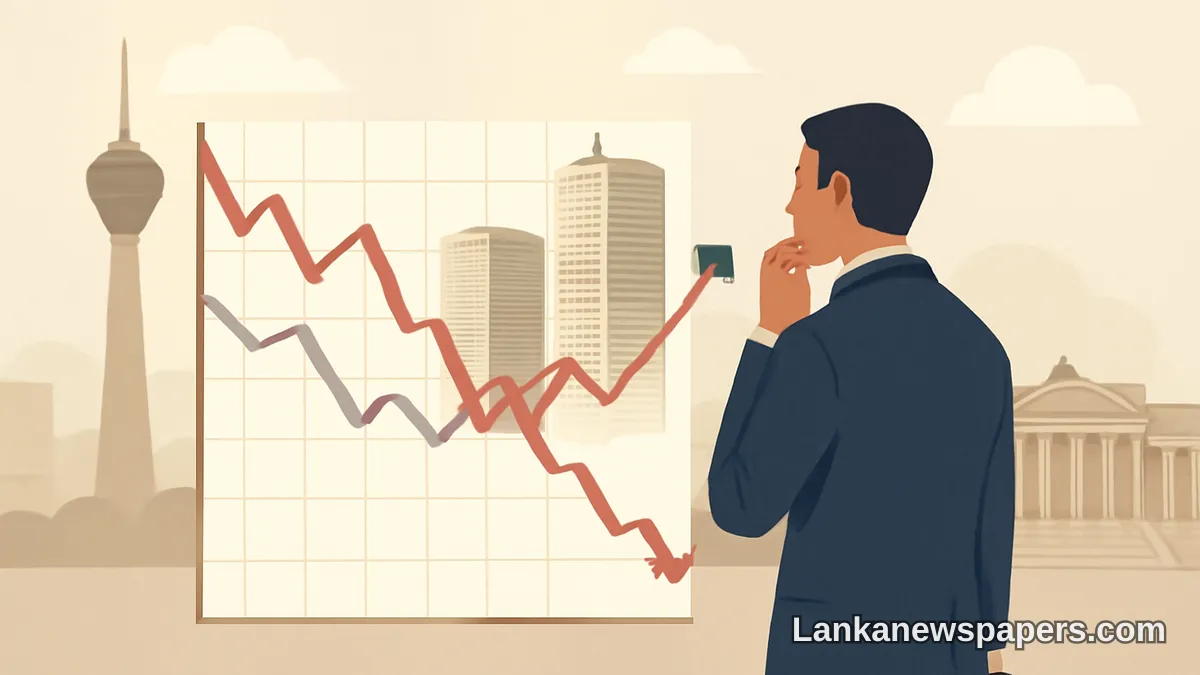
However, the harsh arithmetic of governance is now presenting a far more complicated picture. Economic indicators suggest that while wealthier segments of Sri Lankan society have shown signs of recovery and even growth in the post-crisis period, those at the lower end of the income scale continue to face severe hardship.
The rich, it appears, are getting richer — while the poor are getting poorer. It is a dilemma that carries deeply destabilising potential for any government in power, but one that carries particular weight for a party whose political identity is so closely tied to the welfare of ordinary citizens.
A Dilemma With No Easy Answers
Political observers warn that this scenario is not unique to the NPP, and that any administration navigating Sri Lanka's ongoing economic restructuring under International Monetary Fund oversight would face similar pressures. Fiscal constraints, debt repayment obligations, and the conditions attached to international bailout programmes leave little room for large-scale redistributive spending in the short term.
Yet for the NPP, the political cost of inaction — or even slow action — could prove far greater than for its predecessors. The expectations it raised among the poor were specific and urgent. Delivering on those expectations within the realities of a constrained economy remains the central test of this government's credibility.
The question is no longer simply whether corruption is being tackled — it is whether the lives of ordinary Sri Lankans are visibly and tangibly improving.
What Comes Next
As the government moves forward, the pressure to demonstrate concrete progress on poverty reduction, cost of living relief, and equitable economic recovery will only intensify. Failure to do so risks alienating the very voter base that gave the NPP its historic mandate — and could prove to be the defining political fault line of this administration's tenure.

💬 Join the Discussion 0
Be the first to share your view on this story.