Sri Lanka's Dengue Crisis Deepens: Over 44,000 Cases and 28 Deaths Recorded This Year
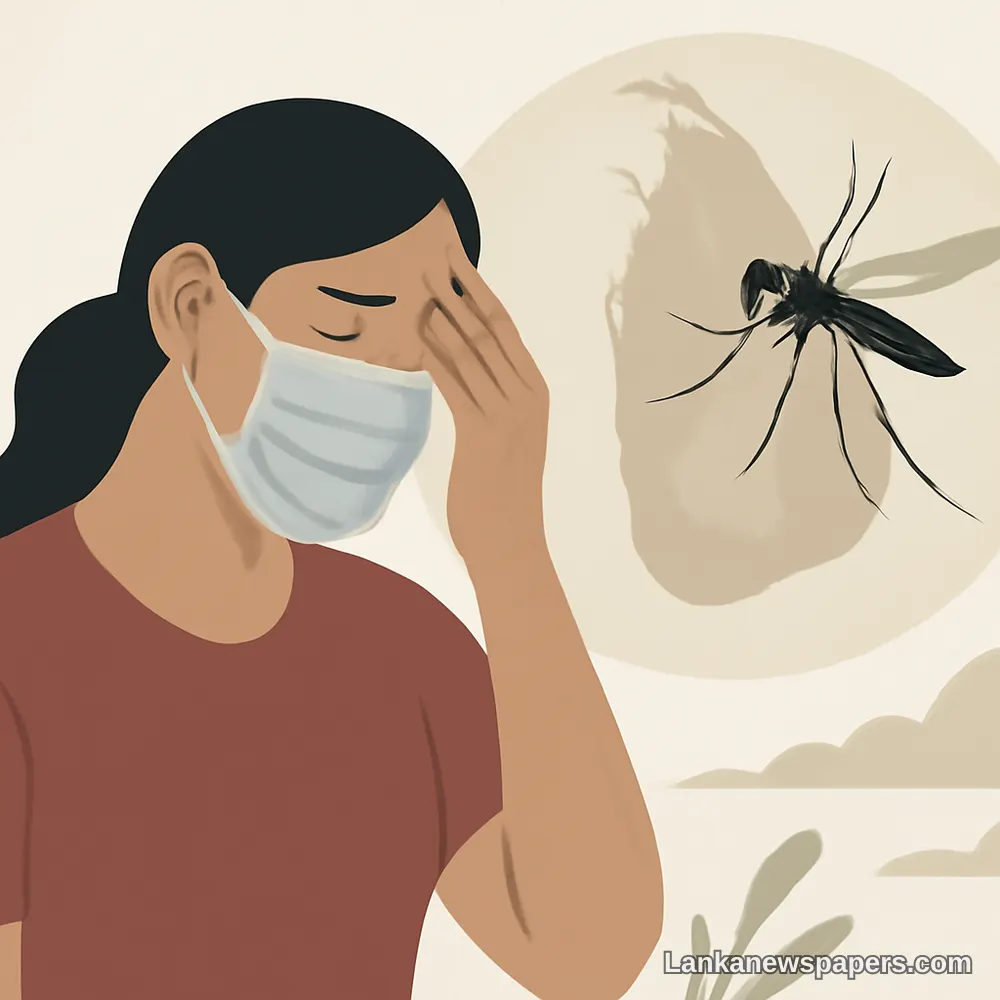
Sri Lanka is grappling with a severe dengue fever outbreak that has already claimed 28 lives and infected more than 44,000 people across the island this year, raising urgent concerns among health authorities and the wider public.
A Growing Public Health Emergency
The scale of this year's dengue outbreak has placed enormous pressure on the country's healthcare system, with hospitals reporting a surge in patients presenting with symptoms of the mosquito-borne disease. Health officials are urging citizens to take immediate preventive action as the situation continues to deteriorate.
Dengue fever, transmitted through the bite of the Aedes aegypti mosquito, thrives in tropical conditions and is endemic to Sri Lanka. However, the current outbreak has proven particularly aggressive, with case numbers climbing at an alarming rate.
Key Facts at a Glance
- Over 44,000 dengue cases reported across Sri Lanka so far this year
- 28 deaths confirmed as a result of the outbreak
- Health authorities have raised the alert level in response to the rising numbers
- All provinces are reported to be affected, with urban and semi-urban areas among the hardest hit
Prevention Remains Critical
Medical professionals and public health officials are reminding the public that dengue is largely preventable through consistent elimination of mosquito breeding sites. Stagnant water in discarded containers, tyres, flower pots, and blocked drains remain primary breeding grounds for the Aedes mosquito.
Health authorities are calling on households, businesses, and community organisations to conduct regular inspections of their premises and eliminate any sources of standing water without delay.
Residents are also advised to use mosquito repellents, wear protective clothing, and ensure windows and doors are fitted with proper screens. Early medical consultation is strongly recommended for anyone presenting with symptoms such as sudden high fever, severe headache, pain behind the eyes, muscle and joint pain, or a skin rash.
A Recurring Challenge
Sri Lanka has historically faced recurring dengue outbreaks, particularly during and after the monsoon seasons when rainfall creates ideal conditions for mosquito breeding. Authorities have repeatedly called for sustained community-level action, stressing that government intervention alone is insufficient to bring the disease under control.
With the outbreak showing little sign of slowing, public vigilance and swift community action are being described as the most effective tools available in curbing the further spread of dengue fever across the island.



💬 Join the Discussion 4
See what readers are saying — and add your view.
can someone tell me why this is getting worse every year seriously
my neighbour got dengue last week, hospitals are packed
every year same story, goverment does nothing until ppl die
exactly, just talk talk, no proper action on ground level