Sri Lanka's Dengue Crisis Deepens: Over 44,000 Cases and 28 Deaths Recorded This Year
Island Nation Faces Mounting Public Health Emergency
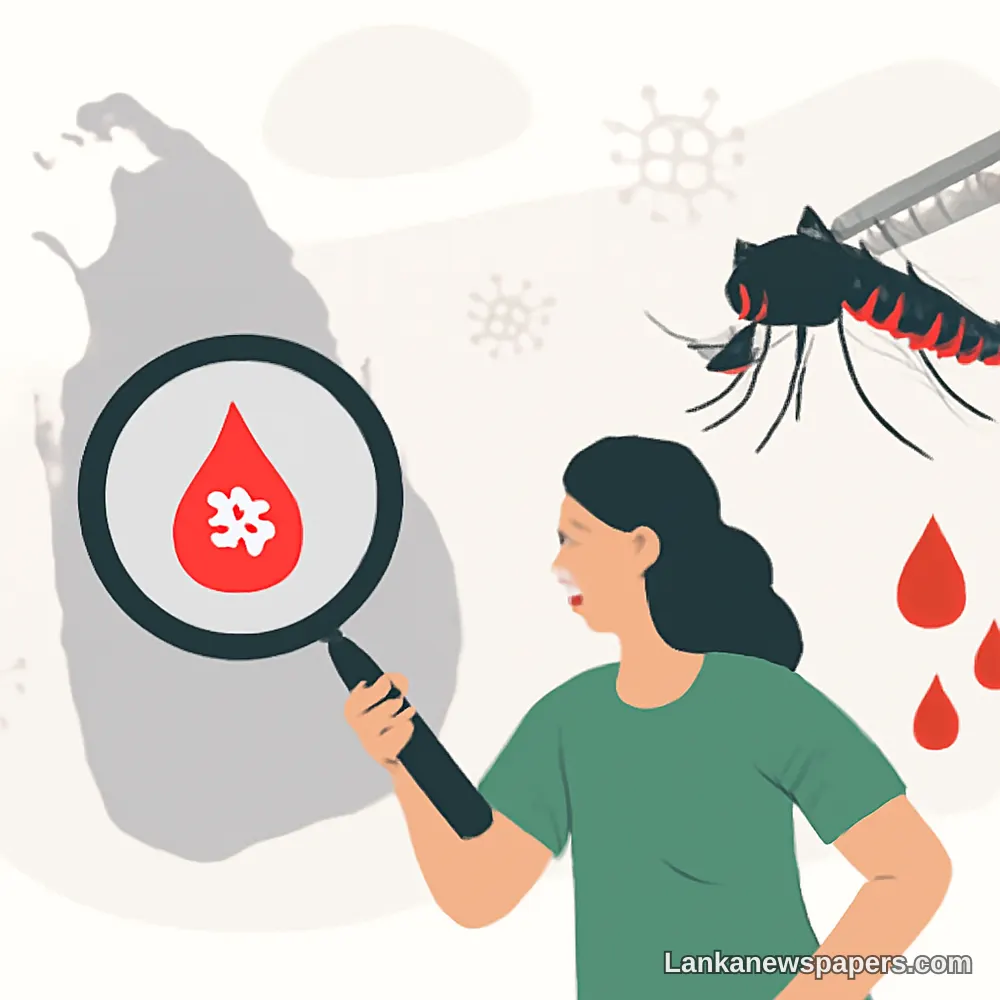
Sri Lanka is grappling with a severe dengue fever outbreak this year, with health authorities recording more than 44,000 confirmed cases and at least 28 deaths across the island. The escalating figures have raised serious concerns among medical professionals and public health officials, who are urging swift and coordinated action to contain the spread of the mosquito-borne disease.
A Crisis That Demands Urgent Attention
Dengue fever, transmitted through the bite of the Aedes aegypti mosquito, has long posed a recurring public health challenge for Sri Lanka. However, the scale of this year's outbreak appears particularly alarming, with case numbers climbing at a pace that is straining healthcare resources in both urban and rural areas. Hospitals across the country have been reporting increased admissions of patients presenting with high fever, severe joint pain, and other hallmark symptoms of the illness.
High-Risk Areas and Vulnerable Communities
Health officials have identified several high-risk zones where the outbreak is most concentrated. Densely populated areas with inadequate drainage infrastructure and stagnant water collections remain the primary breeding grounds for the Aedes mosquito. Communities living in such conditions face disproportionately higher exposure to the virus.
- Western Province, including Colombo, continues to report among the highest case counts nationally.
- Children and elderly individuals remain the most vulnerable demographic groups.
- Improper waste disposal and waterlogged environments are key contributing factors to the spread.
Authorities Mobilise Response Efforts
The Ministry of Health has called on local government bodies, community organisations, and the general public to intensify preventive measures. Fogging operations and awareness campaigns have been stepped up in affected districts, while health workers have been deployed to conduct inspections of residential and commercial premises for mosquito breeding sites.
Preventing dengue requires a collective effort. Every household has a responsibility to eliminate stagnant water and maintain clean surroundings to protect not only their own families but also their neighbours.
What the Public Can Do
Health authorities are reminding citizens that dengue prevention begins at home. Simple but effective measures can significantly reduce the risk of mosquito breeding and transmission.
- Empty and clean water storage containers, flower pots, and tyres regularly.
- Use mosquito repellents and wear protective clothing, especially during dawn and dusk.
- Ensure window and door screens are intact to prevent mosquitoes from entering homes.
- Seek immediate medical attention if symptoms such as sudden high fever, rash, or severe headache develop.
A Call for Collective Action
With the dengue season typically intensifying during and after periods of heavy rainfall, officials warn that the situation could deteriorate further if preventive action is not taken seriously at every level of society. The government has urged the public not to underestimate the threat and to cooperate fully with health and municipal authorities in the fight against this preventable yet potentially fatal disease.



💬 Join the Discussion 4
See what readers are saying — and add your view.
how many more deaths before someone actually acts
my whole street got dengue last month, its getting worse
every year same thing, goverment does nothing until ppl die
exactly, clean the drains first then talk politics