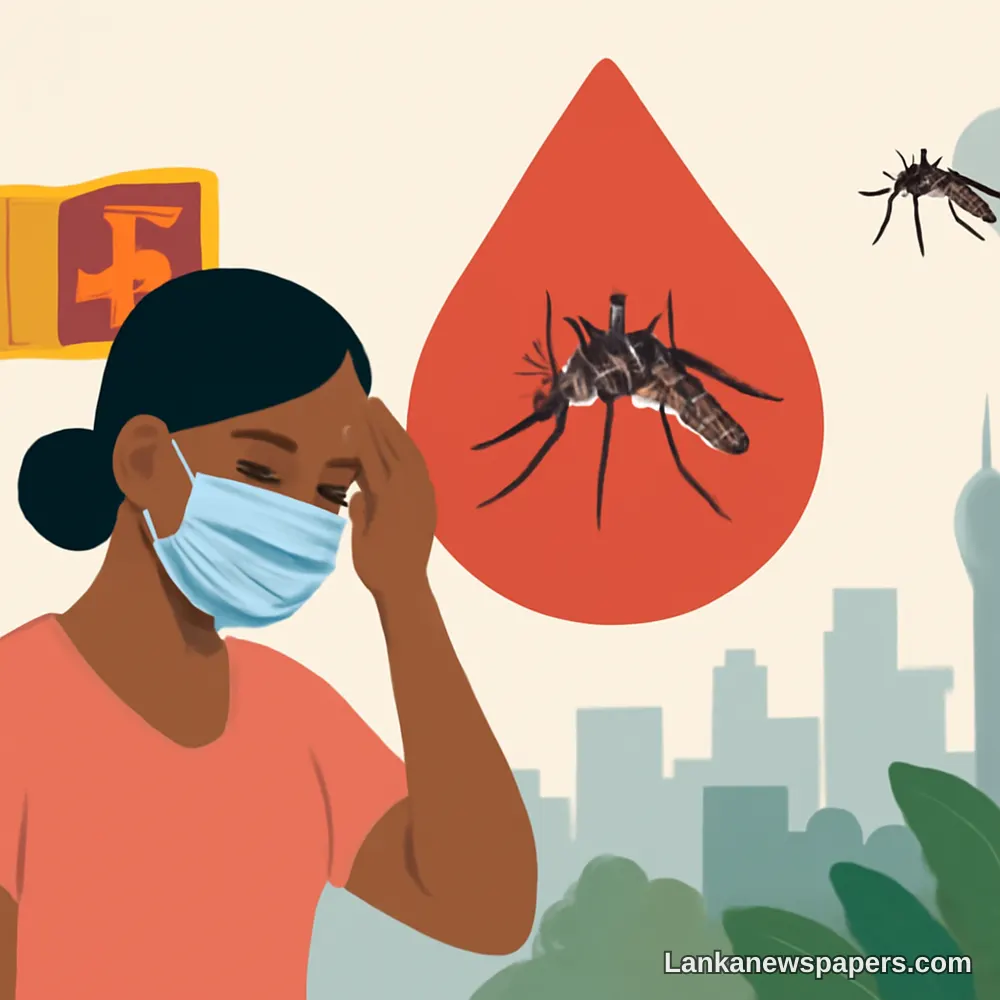
Alarming Rise in Dengue Infections Raises Public Health Concerns
Sri Lanka is facing a deepening public health crisis as dengue fever cases this year have surged past the 44,000 mark, raising serious concerns among health authorities and medical professionals across the island.
The sharp rise in infections signals one of the more severe dengue outbreaks the country has recorded in recent times, placing considerable pressure on the national healthcare system and prompting urgent calls for stronger preventive action at both community and government levels.
A Disease That Thrives in Familiar Conditions
Dengue fever, spread through the bite of the Aedes mosquito, has long been a recurring threat in Sri Lanka, particularly during and after periods of heavy rainfall when stagnant water provides ideal breeding grounds for mosquitoes. The tropical climate of the island makes it especially vulnerable to cyclical outbreaks.
Health officials have consistently warned that waterlogged environments around homes, construction sites, and urban neighbourhoods are among the primary contributors to the rapid spread of the disease.
What the Public Should Watch For
Citizens are urged to remain vigilant and seek immediate medical attention if they experience any of the following symptoms associated with dengue fever:
- Sudden high fever lasting several days
- Severe headaches and pain behind the eyes
- Muscle and joint pain
- Skin rashes
- Nausea and vomiting
- Unusual bleeding or bruising
Prevention Remains the Most Effective Defence
Authorities continue to emphasise that eliminating mosquito breeding sites is the single most effective way to curb the spread of dengue. Households are advised to regularly empty containers that collect rainwater, ensure drains are cleared, and use mosquito repellents and protective clothing.
Dengue is preventable, and the responsibility lies not only with the health authorities but with every household and community across the country.
As the case count continues to climb, health officials are expected to intensify island-wide awareness campaigns and inspection drives in high-risk areas. The government faces mounting pressure to coordinate a swift and comprehensive response before the situation deteriorates further.
Sri Lankans are encouraged to cooperate fully with local public health inspectors and to report any identified mosquito breeding sites in their neighbourhoods without delay.



💬 Join the Discussion 2
See what readers are saying — and add your view.
every year same thing. goverment does nothing until ppl start dying.
exactly, all talk no action. clean the drains first then talk.