US Forced-Labour Tariffs Threaten to Derail Sri Lanka's Hard-Won Export Recovery
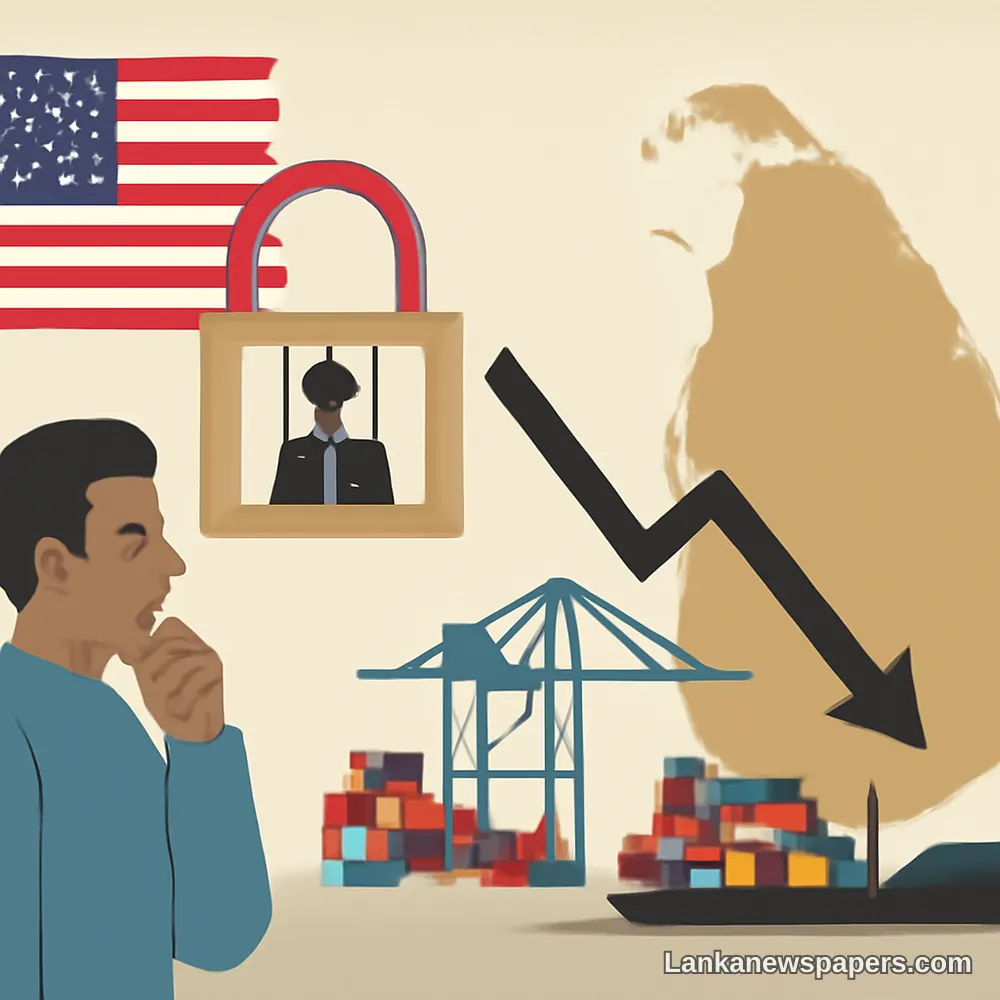
Sri Lanka's export sector, still navigating its way back from the economic collapse of 2022, is facing a fresh and potentially serious threat — this time from new trade measures introduced by the administration of United States President Donald Trump targeting goods linked to forced labour.
A New Trade Barrier Emerges
The Trump administration has moved to impose tariffs on imports suspected of being produced under forced-labour conditions, a policy shift that has sent ripples of concern through export-dependent economies across Asia, including Sri Lanka. The measures form part of a broader push by Washington to tighten trade compliance standards and reduce reliance on goods produced in exploitative conditions.
Sri Lanka's Export Sector Under Pressure
For Sri Lanka, the timing could hardly be worse. The island nation's export industries — particularly garments and apparel, which account for a significant share of the country's foreign exchange earnings — have only recently begun showing signs of stabilisation following the devastating economic crisis that gripped the country two years ago.
The apparel sector employs hundreds of thousands of Sri Lankans, the majority of them women, and any disruption to export volumes directed at the American market would have far-reaching consequences for household incomes and the broader economic recovery programme being managed alongside the International Monetary Fund.
Questions Over Compliance and Certification
Industry stakeholders and trade analysts are now raising urgent questions about how Sri Lankan manufacturers will demonstrate compliance with the new American standards. While many of the country's larger garment factories have long maintained internationally recognised labour certifications, the burden of proving clean supply chains to satisfy evolving US regulatory requirements adds both cost and administrative complexity.
- Sri Lanka's garment industry is one of the country's top foreign exchange earners
- The United States is among Sri Lanka's most important export destinations
- Compliance with forced-labour provisions requires rigorous supply chain documentation
- Smaller manufacturers may struggle to absorb additional compliance costs
Broader Regional Context
Sri Lanka is not alone in its vulnerability. Several other Asian manufacturing economies face similar scrutiny under the new American trade posture. However, given Sri Lanka's comparatively fragile fiscal position and its ongoing debt restructuring process, the country has considerably less room to absorb external economic shocks than many of its regional peers.
Sri Lanka's export recovery remains one of the critical pillars of the government's economic stabilisation strategy, making any external disruption to trade flows a matter of national economic concern.
Government and Industry Response Awaited
Trade officials and industry representatives are expected to assess the full implications of the new tariff measures and determine what steps, if any, can be taken to safeguard market access in the United States. Proactive engagement with American trade authorities and a robust demonstration of labour compliance standards are likely to form the core of any response strategy.
For now, exporters, workers, and policymakers alike will be watching closely to see how significantly these measures translate into real disruption — and whether Sri Lanka's recovering economy can withstand yet another external headwind.



💬 Join the Discussion 0
Be the first to share your view on this story.