Government Walks Tightrope Between Military Land Release and National Security in North and East
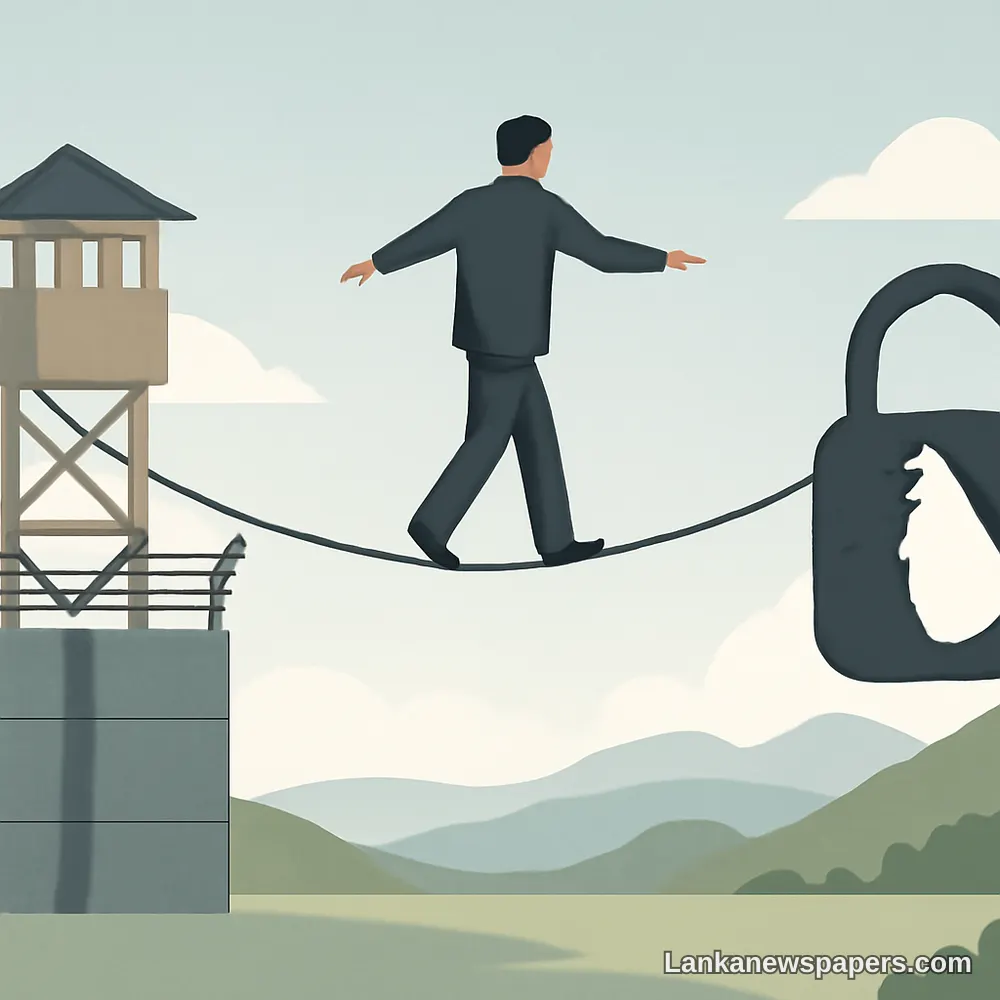
The National People's Power (NPP) government is carefully navigating the long-standing and deeply sensitive issue of land held by the military in Sri Lanka's Northern and Eastern provinces, as it attempts to strike a delicate balance between legitimate civilian demands and post-war security considerations.
Deputy Defence Minister Weighs In
Deputy Defence Minister Major General Aruna Jayasekera (Retired) has made clear that the government is acutely aware of the competing pressures it faces on this issue. The former military officer, who has undertaken a series of visits to the Northern and Eastern regions to assess the ground situation firsthand, acknowledged that communities in those areas have been persistently calling for the return of lands that have remained under military occupation since the end of the civil war.
At the same time, he stressed that post-war security requirements cannot be dismissed outright, and that any decisions regarding land release must be approached with careful deliberation rather than haste.
A Decades-Long Grievance
The occupation of civilian land by the Sri Lankan military in the North and East has been one of the most enduring and emotionally charged grievances among Tamil communities since the conclusion of the armed conflict in 2009. Thousands of families have been displaced from their homes and agricultural lands for years, with many still unable to return to properties that fall within military-controlled zones.
Successive governments have promised action on the matter, with varying degrees of follow-through, making it a recurring flashpoint in the country's post-war reconciliation efforts.
Balancing Act for the NPP Administration
The NPP administration, which came to power on a platform that included pledges of greater accountability and reconciliation, now finds itself confronting the same difficult trade-offs that challenged its predecessors. Deputy Minister Jayasekera's visits to the affected regions appear to signal a hands-on approach by the government in gathering direct information before making policy decisions.
Observers note that the government's stated intent to maintain a balance reflects the political complexity of the issue — any move seen as compromising national security could draw criticism from nationalist quarters, while inaction on land release risks alienating minority communities and undermining reconciliation goals.
Calls for Transparent Process
Civil society groups and representatives of affected communities in the North and East have continued to urge the government to establish a clear, transparent and time-bound process for evaluating which lands are genuinely necessary for security purposes and which can be safely returned to their rightful owners.
They argue that prolonged military presence on civilian land not only disrupts livelihoods but also hampers the broader process of healing and normalisation in communities still bearing the scars of nearly three decades of conflict.
As the NPP government continues its assessments, the coming months are expected to provide clearer signals on how it intends to proceed — and whether it can deliver on the promise of a more equitable resolution to one of post-war Sri Lanka's most persistent challenges.



💬 Join the Discussion 3
See what readers are saying — and add your view.
national security is real but cant hold onto land forever, give it back
Finally someone doing field visits instead of just talking in parliament
visits wont help if army still sitting on ppl's land for 15 years man