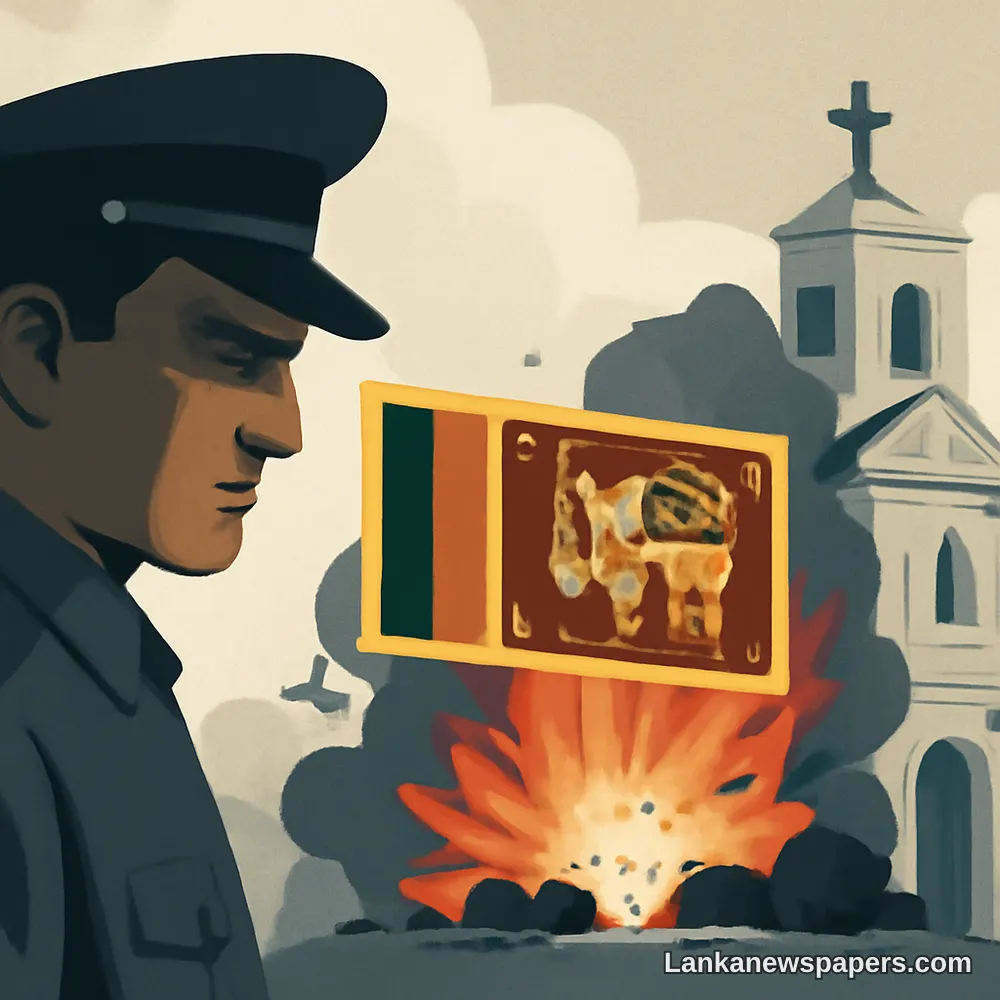
A Warning Ignored, A Nation Shattered
The intelligence was there. The targets had been identified. The warnings had been passed to the people in power. And yet, on the morning of 21 April 2019, suicide bombers walked into crowded churches and luxury hotels across Sri Lanka and killed hundreds of innocent people. What unfolded that Easter Sunday was not merely a terrorist atrocity — it was a profound and catastrophic failure of the state.
The Warnings That Went Unheeded
In the weeks and days leading up to the attacks, Sri Lanka's security apparatus had received credible intelligence pointing directly to the threat. The names of suspects were known. The nature of the planned violence had been communicated through official channels. Senior officials had been briefed. By every measure, the state possessed the information it needed to act — and it did not act.
That failure of action, whether born of negligence, political dysfunction, or deliberate disregard, transformed a preventable tragedy into one of the darkest days in the country's post-war history. More than 260 people lost their lives. Hundreds more were wounded. Families were destroyed in the span of a few horrifying minutes.
Governance at Its Most Catastrophic
What makes the Easter Sunday bombings so deeply painful for Sri Lankans is not only the scale of the violence, but the knowledge that it did not have to happen. When a state fails its people in this manner — when warnings are issued, documented, and ignored — the question of accountability cannot be avoided.
At the time of the attacks, Sri Lanka was mired in a bitter political feud between then-President Maithripala Sirisena and Prime Minister Ranil Wickremesinghe. The two leaders were not speaking to each other. Security briefings were not being shared across the executive divide. The machinery of government, the very apparatus designed to protect citizens from exactly this kind of threat, had been allowed to fracture along lines of personal and political rivalry.
The Dead and the Reckoning
The victims of the Easter Sunday attacks came from all walks of life. Sri Lankan Christians gathered for Easter mass. Foreign tourists seated for breakfast. Hotel staff simply doing their jobs. They paid with their lives for decisions — and indecisions — made in offices far removed from the blast sites.
Investigations and inquiries that followed painted a damning picture of institutional breakdown. Among the critical lapses identified were:
- Specific intelligence warnings received from foreign agencies that were not adequately acted upon.
- A failure to communicate threat information down the chain of command to security forces on the ground.
- The absence of coordinated leadership at the highest levels of government in the critical period before the attacks.
- No emergency security measures implemented at houses of worship or public venues despite advance warning.
Accountability Still Awaited
Years on, many Sri Lankans — and in particular the survivors and bereaved families of the Easter Sunday victims — continue to demand justice. Criminal proceedings have moved slowly. Political figures implicated by various commissions of inquiry have largely evaded meaningful consequences. The question of who bears ultimate responsibility for the state's failure remains, for many, unanswered.
For the families who lost loved ones that morning, no legal proceeding, no commission report, and no political apology has yet been sufficient to fill the silence left behind.
A Lesson Sri Lanka Cannot Afford to Forget
The Easter Sunday bombings stand as a stark reminder of what becomes possible when political self-interest overrides the fundamental duty of governance — to protect the lives of citizens. Intelligence without action is worthless. Warnings without response are worse than silence, because they confirm that the machinery of the state was present, informed, and still chose to look away.
Sri Lanka has endured civil war, economic collapse, and political upheaval. But the events of 21 April 2019 represent something uniquely devastating — a massacre that the state had the power to prevent, and did not. That truth demands more than remembrance. It demands accountability, structural reform, and an unwavering commitment that such a failure must never be allowed to happen again.



💬 Join the Discussion 2
See what readers are saying — and add your view.
they knew and did nothing. ppl died because of politics. simple as that.
exactly. warnings came from India even. no excuse for this.