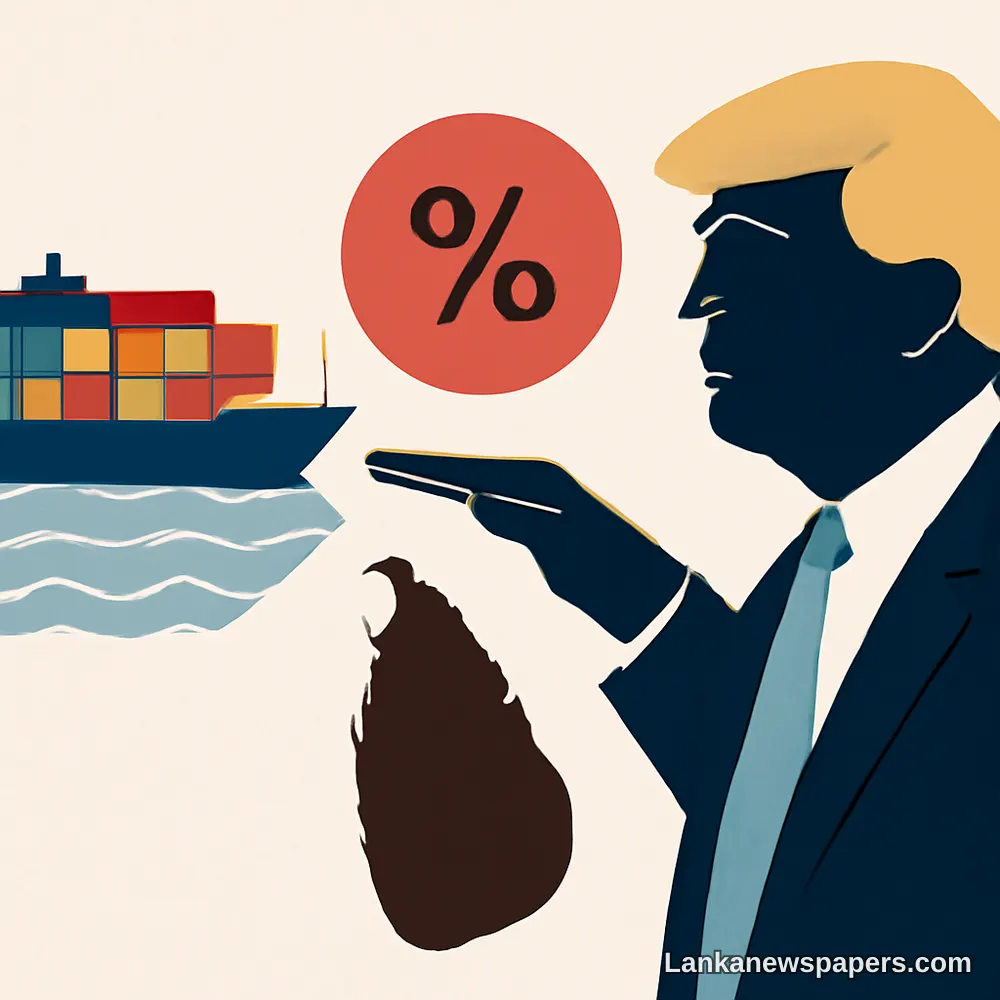
The United States has imposed a 12.5% tariff on Sri Lankan goods under what the Trump administration has labelled a "forced labour tariff," raising significant questions about the island nation's trade relationship with its largest export destination and the potential economic consequences that could follow.
Understanding the Tariff
The levy, introduced as part of a broader American trade policy push under President Donald Trump, specifically targets countries where forced labour concerns have been identified in supply chains. Sri Lanka finds itself among the nations subject to this additional charge on exports entering the United States market.
For Sri Lanka, whose export economy relies heavily on apparel, rubber products, and tea destined for American consumers and retailers, the introduction of such a tariff carries considerable weight. The garment industry alone accounts for a substantial share of the country's foreign exchange earnings, employing hundreds of thousands of workers across the island.
What "Forced Labour" Designation Means in Practice
Under United States trade law, a forced labour tariff is not merely a revenue-raising measure — it carries a reputational and diplomatic dimension. Being subject to such a designation signals that American authorities have identified, or suspect, that goods produced in the affected country may involve labour practices that violate internationally recognised standards.
Sri Lankan exporters now face the prospect of paying an additional 12.5% on top of existing duties when their products enter the American market, making Sri Lankan goods comparatively less competitive against rivals not subject to the same charge.
Impact on Sri Lankan Exporters
Industry stakeholders and economists have expressed concern that the tariff could erode profit margins for Sri Lankan manufacturers already navigating the country's ongoing economic recovery. Key sectors likely to feel the pressure include:
- Apparel and textile manufacturers supplying major American retail brands
- Rubber and tyre product exporters
- Agricultural exporters including tea and spice producers
Smaller export businesses with tighter margins may find it particularly difficult to absorb the additional cost or pass it on to buyers without losing contracts to competing suppliers in countries unaffected by the tariff.
Government Response and the Road Ahead
Sri Lankan authorities face pressure to engage diplomatically with Washington to contest the designation or demonstrate remedial action on labour standards. Successfully negotiating the removal or reduction of the tariff would require Sri Lanka to provide credible evidence that its export supply chains are free of forced labour practices.
Trade analysts suggest that swift and transparent engagement with American trade officials, alongside verifiable improvements in labour compliance across key industries, offers the most practical path toward resolving the situation.
For an economy still on the road to recovery following its worst financial crisis in decades, Sri Lanka can ill afford prolonged friction with one of its most vital trading partners. How the government and private sector respond in the coming months could determine the long-term health of the country's export competitiveness in the American market.


💬 Join the Discussion 0
Be the first to share your view on this story.