Sri Lanka, Bangladesh and Nepal Struggling With Governance After Youth-Led Uprisings, Says Chatham House
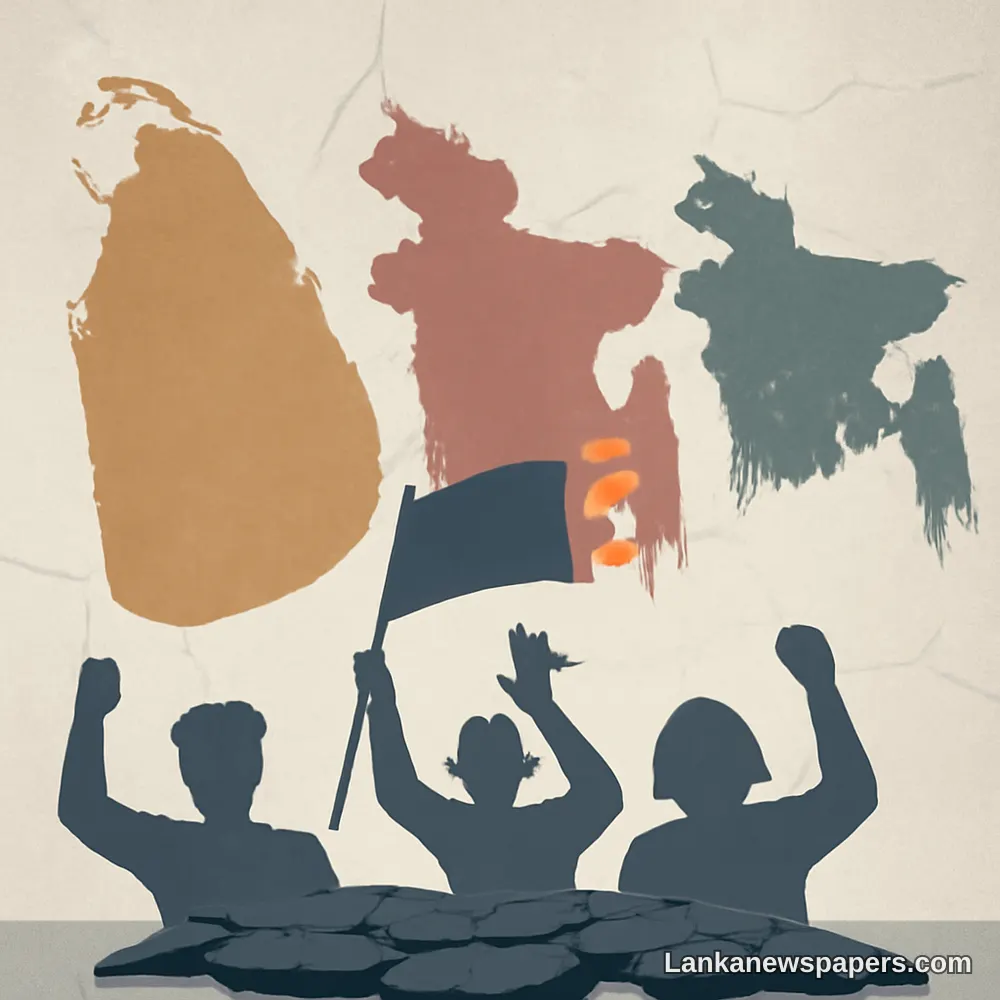
Sri Lanka, Bangladesh and Nepal are all grappling with significant governance challenges in the aftermath of youth-driven political upheavals, according to a new assessment by the influential British think tank Chatham House.
Youth Movements That Shook the Region
Across South Asia, a new generation of politically engaged young people — often referred to as Generation Z — has played a central role in toppling or pressuring established governments. The wave of civic activism that swept through these three nations has drawn international attention, with Chatham House now warning that the hard work of translating street-level energy into lasting institutional reform remains deeply unfinished.
Sri Lanka, which witnessed its own dramatic popular uprising in 2022 when protesters stormed the presidential residence and forced then-president Gotabaya Rajapaksa to flee the country, is cited as one of the nations still struggling to convert that momentum into meaningful structural change.
Governance Gaps Remain a Serious Concern
The Chatham House analysis highlights that while these revolutions succeeded in removing deeply unpopular leaders or governments, the nations involved are now confronted with the complex challenge of building stable, accountable and transparent governance systems in their place.
Among the key concerns raised are:
- The difficulty of sustaining public trust when post-uprising administrations face the same entrenched bureaucratic and political obstacles as their predecessors
- Economic instability that continues to undermine reform efforts
- The risk that the aspirations of young citizens go unmet, potentially leading to renewed disillusionment
- Weak institutional frameworks that make democratic consolidation difficult
A Critical Juncture for Sri Lanka
For Sri Lanka in particular, the findings arrive at a sensitive political moment. The country continues its recovery from a catastrophic economic crisis while attempting to rebuild public confidence in state institutions that were severely discredited during the height of the turmoil.
The Chatham House assessment underscores that the energy and courage demonstrated by young people during these uprisings must now be matched by equally bold and sustained political will from those in power — or the promise of genuine change risks being lost entirely.
The challenge for all three nations is not simply to change who governs, but to fundamentally transform how they are governed.
Regional Implications
The think tank's findings reflect a broader pattern visible across the developing world, where youth-led movements have proven highly effective at dismantling old orders but face an uphill battle in shaping what comes next. For Bangladesh, Nepal and Sri Lanka alike, the coming years will be decisive in determining whether the sacrifices made during these popular uprisings ultimately yield the democratic dividends their citizens demand.
💬 Join the Discussion 4
See what readers are saying — and add your view.
at least youth tried something. old politicians did nothing for decades
Chatham House sitting in London telling us about our problems lah
overthrowing goverment is easy part. running the country is different story.
exactly. ppl celebrated like everything solved. now what?