Sri Lanka's Total Public Debt Stands at US$102.2 Billion, Deputy Finance Minister Tells Parliament
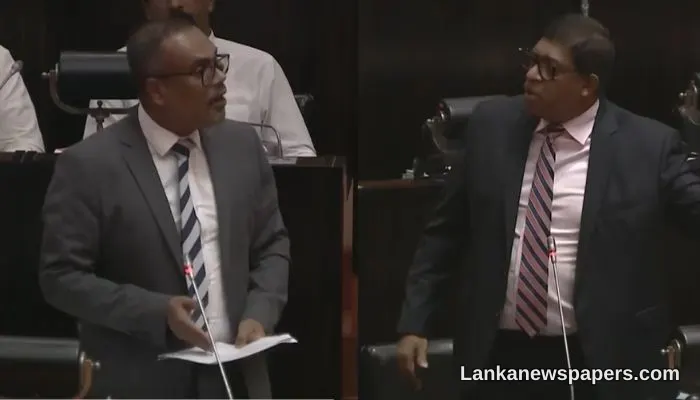
Sri Lanka's total public sector debt has reached approximately US$102.2 billion, Deputy Finance Minister Anil Jayantha Fernando revealed to Parliament, offering a stark reminder of the enormous financial burden the island nation continues to carry as it navigates its post-crisis recovery.
A Figure That Underscores the Scale of the Challenge
The disclosure, made during parliamentary proceedings, lays bare the magnitude of Sri Lanka's debt obligations — a figure that encompasses both domestic and foreign borrowings accumulated over decades of public expenditure, infrastructure investment, and economic mismanagement that ultimately contributed to the country's historic 2022 financial collapse.
Deputy Finance Minister Fernando's statement serves as a sobering benchmark for policymakers, creditors, and citizens alike, as the government works to restore fiscal stability and rebuild international confidence in the Sri Lankan economy.
Debt Restructuring Still in Progress
Sri Lanka has been engaged in complex negotiations with bilateral and commercial creditors as part of its International Monetary Fund-backed debt restructuring programme. The government has made notable progress in reaching agreements with key creditor groups, but the overall debt stock figure underscores how much work remains before the country can claim to be on a fully sustainable fiscal path.
Economists and financial analysts have consistently stressed that meaningful debt relief, combined with disciplined revenue collection and controlled public spending, will be essential for Sri Lanka to reduce its debt-to-GDP ratio to manageable levels over the coming years.
Parliament Kept Informed
By presenting this figure directly to Parliament, the Deputy Finance Minister signalled the government's commitment to transparency in its handling of public finances — a quality that was notably absent during the years leading up to the 2022 economic crisis, when warning signs were repeatedly overlooked or downplayed.
Sri Lankan citizens, many of whom endured severe hardships during the height of the crisis including prolonged power cuts, fuel shortages, and soaring inflation, will be watching closely to see how the government translates such disclosures into concrete policy action that brings lasting economic relief.

💬 Join the Discussion 2
See what readers are saying — and add your view.
102 billion dollars. let that sink in. our grandchildren will be paying this.
not grandchildren bro, WE are already paying. look at the taxes now.