Fuel Price Crisis Cripples Sri Lanka's Transport Sector as Services Slashed by Half
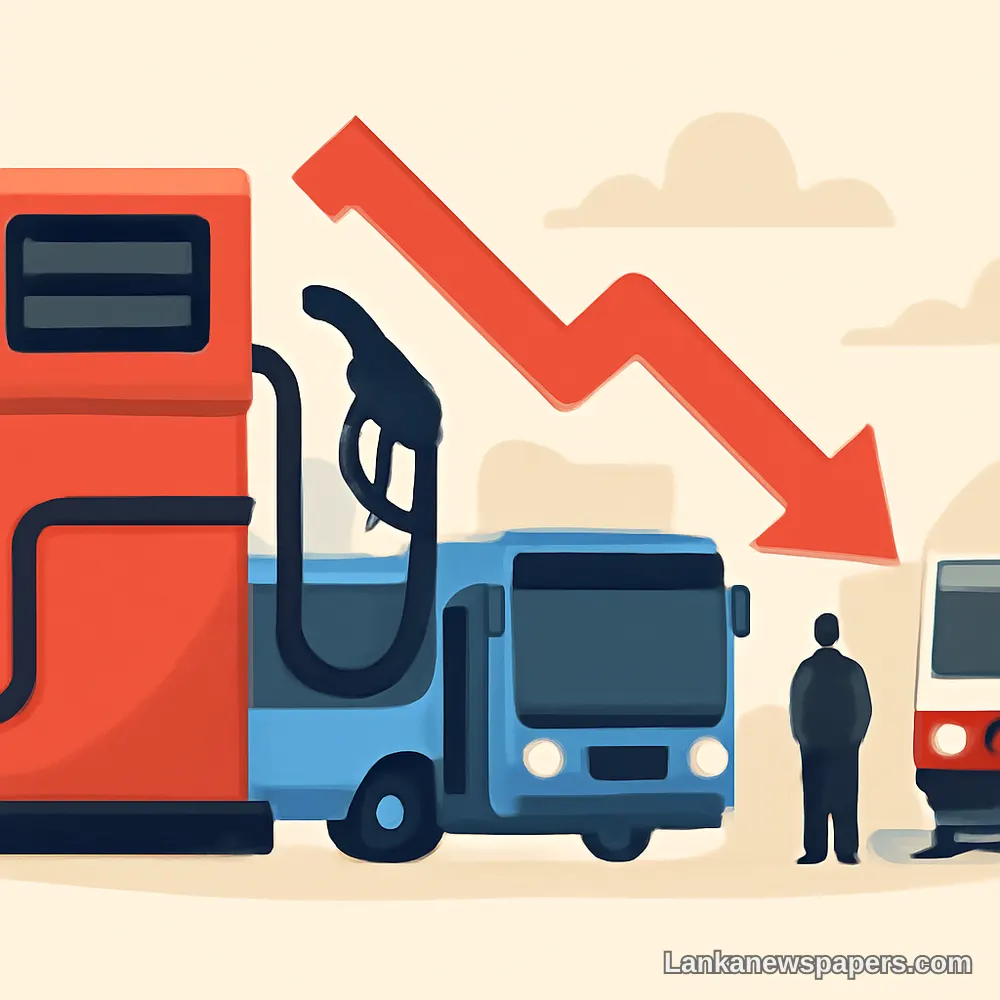
Soaring Fuel Costs Trigger Widespread Anger Among Transport Operators
Sri Lanka's transport sector is reeling under the weight of persistently high fuel prices, with operators across the island cutting services by as much as half as the financial burden becomes increasingly unsustainable.
Transport providers, unable to absorb the crippling cost of fuel, have been forced to drastically reduce the frequency and availability of their services, leaving commuters — particularly those in rural and semi-urban areas — struggling to find reliable travel options.
Operators Pushed to Breaking Point
Bus and private transport operators have expressed mounting frustration, arguing that the current fuel pricing structure makes it virtually impossible to run a profitable or even viable service. Many have described the situation as an existential threat to their livelihoods and businesses.
The reduction in services has had a cascading effect on daily life, with workers, students, and patients among those most severely affected by the diminished transport availability.
Calls for Government Intervention
Industry stakeholders are now calling on the government to urgently review fuel pricing policy and introduce relief measures for the transport sector. Among the key demands being raised are:
- An immediate reduction in fuel prices for commercial transport operators
- The introduction of a subsidised fuel scheme for public service vehicles
- A transparent review of the fuel pricing formula currently in use
- Dialogue between transport unions and relevant government ministries
Transport operators warn that without swift government action, further service reductions — or complete shutdowns on certain routes — cannot be ruled out.
Broader Impact on the Sri Lankan Public
The crisis underscores the lingering economic pressures Sri Lanka continues to face in the aftermath of its worst financial crisis in decades. While the country has made progress on several macroeconomic fronts, the cost of essential commodities including fuel remains a deeply sensitive issue for ordinary citizens and business operators alike.
With public frustration growing and services continuing to shrink, pressure on authorities to act decisively is intensifying by the day.

💬 Join the Discussion 1
See what readers are saying — and add your view.
cant even get to work on time now, buses are a joke these days