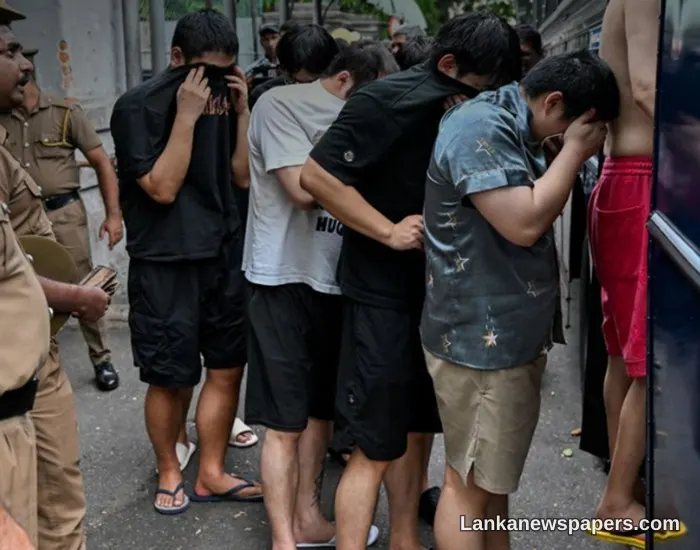
Sri Lanka is emerging as a new operational base for sophisticated cyber scam networks that have been squeezed out of their traditional strongholds in Southeast Asia, according to a report by Bloomberg.
Exodus from Cambodia Drives Relocation
Intensified crackdowns on notorious scam compounds in Cambodia have forced criminal gangs to seek alternative locations to continue their fraudulent operations. Intelligence and investigative reports now point to Sri Lanka as one of the destinations these networks are gravitating towards, with organised groups quietly establishing themselves in beach resorts and commercial office buildings across the island.
What These Scam Operations Involve
These criminal enterprises are typically associated with large-scale online fraud, including so-called "pig butchering" scams, where victims are manipulated over weeks or months into making fraudulent cryptocurrency investments. The operations are often run from compounds where trafficked individuals are forced to work as scammers under threat of violence.
- Victims are lured through fake romantic relationships or investment opportunities
- Workers inside the compounds are frequently trafficking victims themselves
- Operations require only internet connectivity, making relocation relatively straightforward
- Gangs have historically shifted bases whenever law enforcement pressure intensifies
A Concerning Pattern for Sri Lanka
For Sri Lanka, which has been working to rebuild its international reputation and attract foreign investment following the devastating 2022 economic crisis, the emergence of such networks on its soil poses serious risks — both to its citizens and to its standing in the global community.
The island's scenic coastal areas and relatively accessible commercial spaces are believed to be attracting these criminal groups, who often disguise their activities behind legitimate-looking business fronts.
Sri Lanka risks becoming entangled in a regional criminal ecosystem if authorities do not move swiftly to identify and dismantle these emerging networks before they become fully established.
Regional Pressure Reshaping the Scam Landscape
Cambodia had long been identified as the regional epicentre of cyber fraud compounds, particularly in border towns such as Sihanoukville. Following sustained international pressure and diplomatic interventions — including from China, whose nationals were among the most targeted victims — Cambodian authorities stepped up enforcement operations, dismantling several major compounds.
However, experts warn that such crackdowns rarely eliminate the networks entirely. Instead, the criminal organisations adapt and migrate, seeking out countries with weaker oversight, corruption vulnerabilities, or gaps in cybercrime legislation.
Call for Urgent Action
Security analysts and anti-trafficking advocates are urging Sri Lankan law enforcement agencies and policymakers to treat this development with the utmost seriousness. Strengthening inter-agency cooperation, enhancing monitoring of suspicious commercial activity, and coordinating with international bodies such as Interpol are among the steps being recommended.
Sri Lanka's authorities have not yet issued a formal public response to the Bloomberg report, but the findings are expected to draw increasing scrutiny from both domestic and international observers in the weeks ahead.



💬 Join the Discussion 4
See what readers are saying — and add your view.
cant believe we going from tourism recovery to scam hub, well done
which beach resorts? Hikkaduwa side or Arugam Bay?
these gangs are coming here because our goverment is too easy to bribe
exactly, same thing happened in cambodia no? now our turn