Sri Lanka's Political Shift: Can the New Era Deliver Justice and True Democracy?
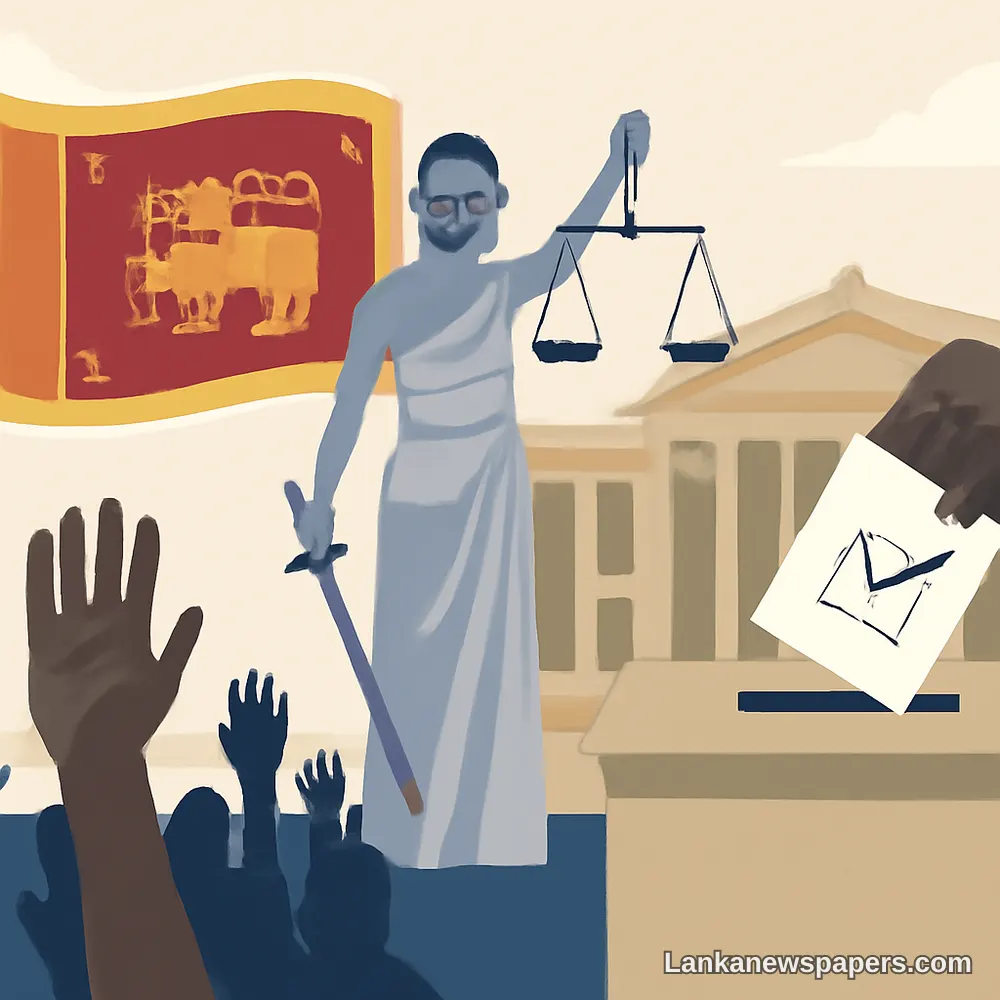
A Nation at a Crossroads
Sri Lanka finds itself at a defining moment in its political history, as the country navigates the promises and challenges of a new political era. With fresh leadership in place and a citizenry demanding accountability, the questions of justice and democratic governance have never been more pressing for the island nation.
Expectations of a New Political Order
The rise of a new political dispensation in Sri Lanka has generated considerable hope among ordinary citizens who have long endured systemic corruption, economic hardship, and institutional dysfunction. Voters who backed change at the ballot box did so with a clear expectation — that those who wielded power would finally be held to account, and that democratic principles would be upheld in both letter and spirit.
Yet translating electoral mandates into meaningful reform has historically proven difficult in Sri Lanka, where entrenched interests and deeply rooted political cultures have often blunted even the most well-intentioned agendas.
The Pillars of Justice Under Scrutiny
Central to public discourse is whether the country's justice system can function independently and impartially under the new political climate. For democracy to take genuine root, observers argue, the judiciary, law enforcement, and anti-corruption bodies must operate free from political interference.
- Independent oversight of state institutions remains a key demand from civil society groups.
- Accountability for past abuses of power continues to be a rallying point for opposition voices and rights advocates.
- Transparency in governance and public finance is seen as essential to rebuilding public trust.
Democracy Beyond the Ballot Box
Elections alone do not constitute a full democracy, and many political analysts observing Sri Lanka's trajectory emphasise that meaningful democratic practice must extend into everyday governance. Freedom of expression, the right to peaceful protest, and the protection of minority rights are all benchmarks by which the new political order will ultimately be judged.
True democratic governance requires not only winning elections, but consistently honouring the rights and dignity of all citizens, regardless of ethnicity, religion, or political affiliation.
The Road Ahead
Sri Lanka's new political era carries both opportunity and risk. The opportunity lies in building institutions that are genuinely accountable and representative of the nation's diverse population. The risk, as history has repeatedly demonstrated, is that political change without structural reform yields little more than a change of faces at the top.
For the millions of Sri Lankans who cast their votes for a better future, the measure of success will not be found in political speeches or party manifestos, but in the lived reality of justice, fairness, and democratic freedom in their daily lives.


💬 Join the Discussion 0
Be the first to share your view on this story.