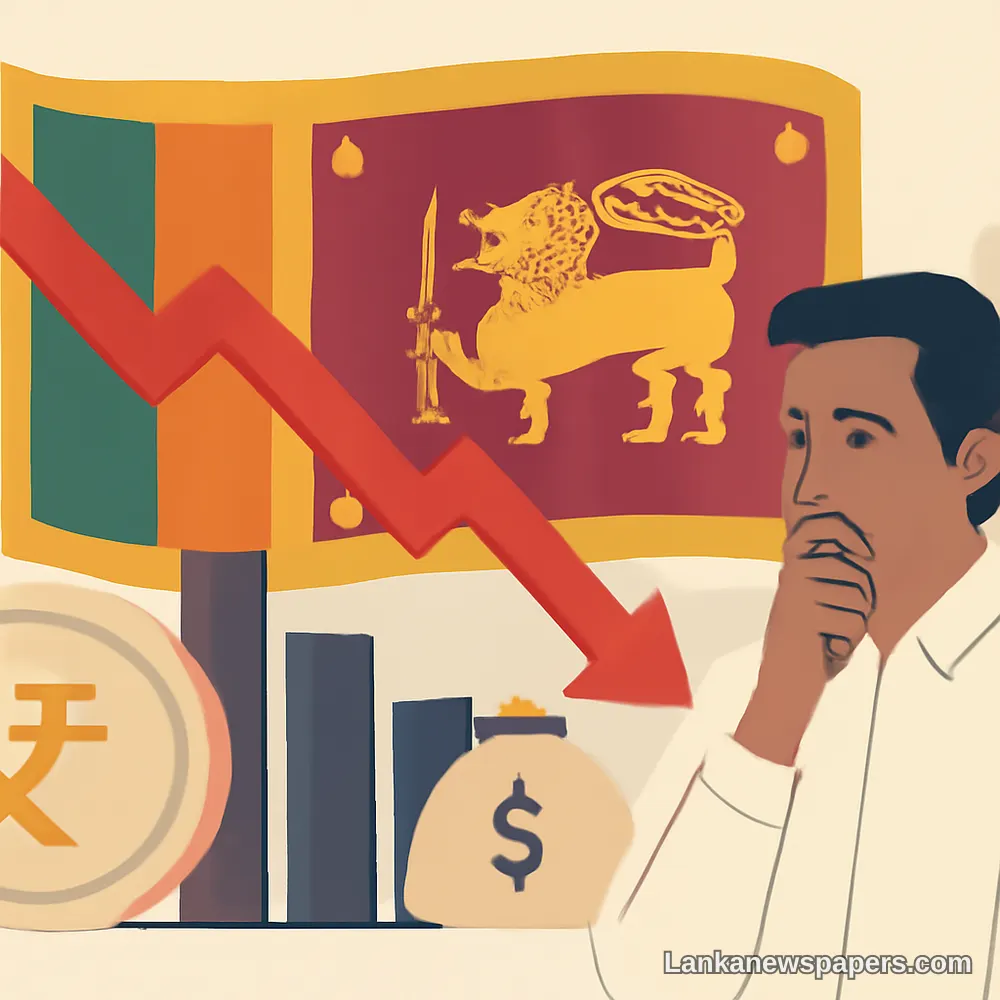
As Sri Lanka continues its fragile recovery from the catastrophic economic meltdown of 2022, economists and policy analysts are raising fresh concerns about whether the island nation could once again find itself teetering on the edge of financial collapse. The question is no longer being dismissed as alarmist — it is being debated in earnest across economic and political circles.
The Shadow of 2022
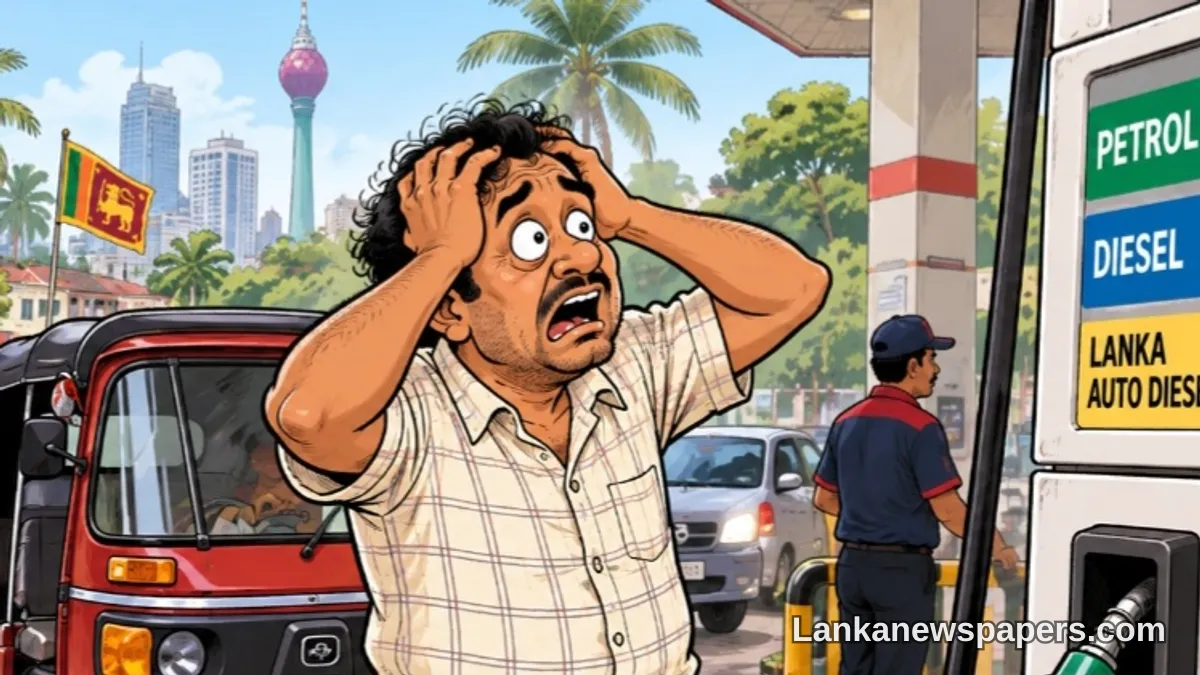
The 2022 economic crisis was the worst Sri Lanka had experienced since independence. Foreign exchange reserves were virtually wiped out, fuel queues stretched for kilometres, medicine shortages gripped hospitals, and widespread power cuts paralysed daily life. The suffering forced millions of ordinary Sri Lankans into hardship and ultimately triggered a historic political upheaval that saw then-President Gotabaya Rajapaksa flee the country and resign from office.
The International Monetary Fund stepped in with a bailout programme, and the country has since been walking a tightrope of fiscal discipline, debt restructuring negotiations, and painful austerity measures. While some key indicators have shown improvement, the road to genuine stability remains long and uncertain.
Warning Signs That Cannot Be Ignored
Several structural vulnerabilities that contributed to the 2022 disaster have not been fully resolved. Analysts point to the following areas of concern:
- Sri Lanka's public debt remains at dangerously elevated levels, and debt repayment obligations in the coming years will place enormous pressure on government finances.
- The country's export base continues to be narrow, leaving foreign exchange earnings highly susceptible to global market fluctuations.
- Revenue collection, while improving, still falls short of what is needed to fund essential public services without heavy borrowing.
- Corruption and governance weaknesses continue to undermine investor confidence and efficient use of public resources.
- The tourism and remittance sectors, while recovering, remain vulnerable to external shocks beyond Sri Lanka's control.
The IMF Programme: A Safety Net, Not a Solution
Sri Lanka's ongoing engagement with the IMF has provided a critical lifeline, imposing the kind of fiscal discipline that successive governments had long avoided. However, economists caution that the programme is a framework for stabilisation — not a guarantee of long-term prosperity.
Compliance with IMF conditions has helped restore a degree of confidence among international creditors, but the real test will come when those conditions are no longer externally enforced and Sri Lanka must sustain reforms on its own terms.
Debt restructuring negotiations with bilateral and commercial creditors have made progress, but finalising those agreements and managing repayment schedules will require sustained political will and economic discipline over many years.
Political Stability and Reform Commitment
One of the deeper lessons from 2022 was that economic mismanagement does not occur in a vacuum — it is enabled by political decisions, or the absence of them. The current government faces the challenge of maintaining reform momentum while managing public expectations in a population that has already endured years of hardship.
Tax increases and subsidy reductions, though necessary, are deeply unpopular. Any future government tempted to reverse these measures in pursuit of short-term political gain could quickly unravel the progress achieved at considerable social cost.
Can Sri Lanka Avoid History Repeating Itself?
Experts broadly agree that another crisis of 2022's magnitude is not inevitable — but it is not impossible either. The difference between recovery and relapse will depend on the consistency of economic policy, the strength of institutions, and the willingness of political leaders to prioritise long-term national interest over short-term electoral calculations.
For ordinary Sri Lankans, who bore the heaviest burden of the last crisis, the stakes could not be higher. The memory of empty shelves, darkened homes, and desperate queues is still raw. Whether those memories serve as a sufficient warning to those in power remains the defining question of Sri Lanka's economic future.
💬 Join the Discussion 2
See what readers are saying — and add your view.
same goverment same mistakes, nothing will change men
exactly, they never learn from 2022 no?