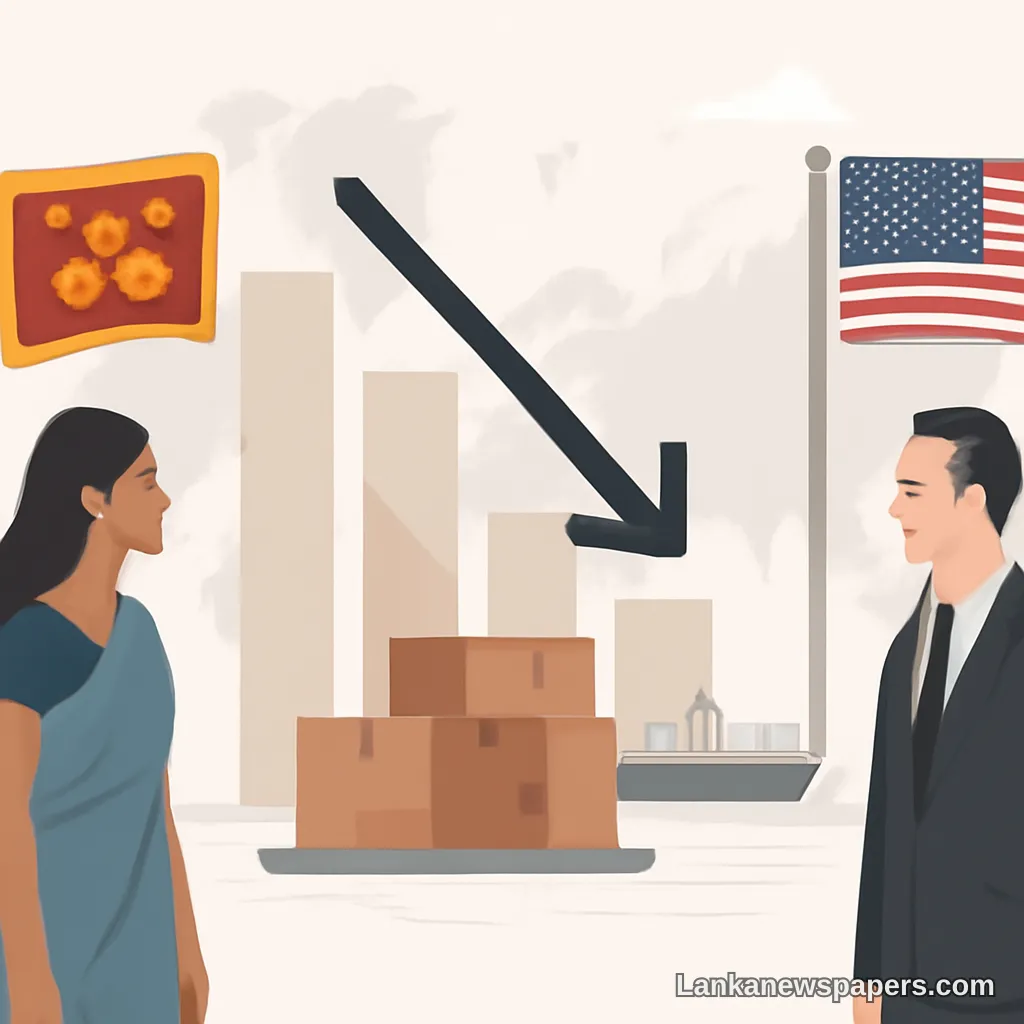
The United States has significantly reduced its proposed tariff rate on Sri Lankan imports, bringing it down to 30 percent in what marks a notable shift in American trade policy affecting the island nation.
A Significant Reduction
The revised tariff figure represents a considerable easing from the originally proposed rate that had raised alarm among Sri Lankan exporters and trade officials. The move is expected to provide some relief to local industries that rely heavily on the American market as a key export destination.
Impact on Sri Lankan Exports
Sri Lanka counts the United States among its most important trading partners, with garments, textiles, and other manufactured goods forming a substantial portion of exports to that market. A lower tariff rate, while still representing an additional burden on Sri Lankan goods, is seen as a more manageable figure compared to earlier proposals that threatened to severely disrupt trade flows.
Exporters in the apparel sector, which employs hundreds of thousands of Sri Lankans and generates significant foreign exchange earnings, had been closely monitoring developments in Washington regarding the tariff discussions.
Broader Trade Context
The tariff adjustment comes amid a wider reassessment of US trade policy under the current American administration, which has been reviewing import duties applied to numerous countries across the globe. Sri Lanka is among several nations in the South and Southeast Asian region that have been directly affected by these policy deliberations.
Trade analysts note that while the reduction to 30 percent is a welcome development, Sri Lankan exporters will still need to assess pricing strategies and competitiveness in the US market going forward.
Government Response Expected
Sri Lanka's trade and economic authorities are expected to formally respond to the revised tariff announcement and explore further diplomatic and trade channels to negotiate more favourable terms for the country's export sector. Industry stakeholders are urging the government to engage proactively with US counterparts to protect the livelihoods of those dependent on export-oriented industries.



💬 Join the Discussion 3
See what readers are saying — and add your view.
at least garment sector will get some relief, lets hope goverment uses this properly
still 30% is too high no? before was what, 10%?
exactly men, they acting like this is some big favor but our exporters still suffering