Sri Lanka Sees Alarming Rise in Dengue Cases in 2026 Compared to Previous Year
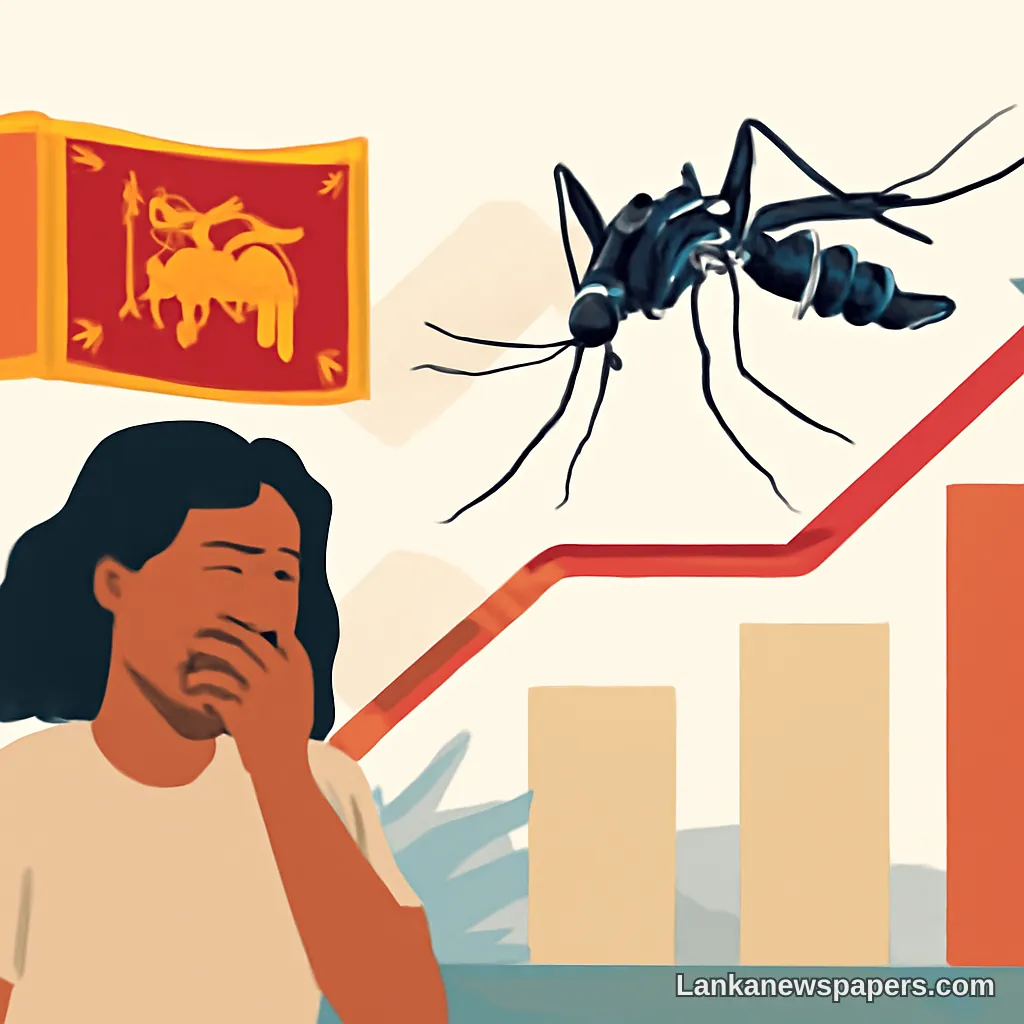
Dengue Situation Worsens Across Sri Lanka
Sri Lanka is recording a notable increase in dengue fever cases in 2026 when compared to the same period last year, raising fresh concerns among public health authorities and communities across the island.
The uptick in reported cases signals a potentially challenging year ahead for the country's healthcare system, which has historically struggled to contain dengue outbreaks during peak transmission seasons. Health officials are urging citizens to remain vigilant and take preventive action to curb the spread of the mosquito-borne disease.
A Recurring Public Health Challenge
Dengue fever, transmitted through the bite of the Aedes aegypti mosquito, has long been a persistent public health burden in Sri Lanka. The tropical climate and monsoon seasons create ideal breeding conditions for the mosquito, particularly in urban and semi-urban areas where stagnant water tends to accumulate.
The current figures indicate that 2026 may surpass last year's case count if urgent containment measures are not effectively implemented across all districts.
What the Public Can Do
Health authorities continue to emphasise the importance of community participation in eliminating mosquito breeding sites. Key preventive steps recommended for households include:
- Regularly emptying and cleaning water storage containers
- Disposing of items that collect rainwater, such as old tyres and flowerpots
- Using mosquito repellents and wearing protective clothing
- Seeking immediate medical attention if dengue symptoms such as high fever, severe headache, or joint pain develop
Authorities on Alert
Sri Lanka's health ministry and relevant authorities are expected to intensify surveillance and vector control operations in response to the rising numbers. Community-level awareness campaigns are also anticipated to be ramped up in the weeks ahead as the country works to prevent a full-scale outbreak.
Residents across all provinces are advised to stay informed, cooperate with local health officers, and take personal responsibility in keeping their surroundings free of mosquito breeding grounds.



💬 Join the Discussion 0
Be the first to share your view on this story.