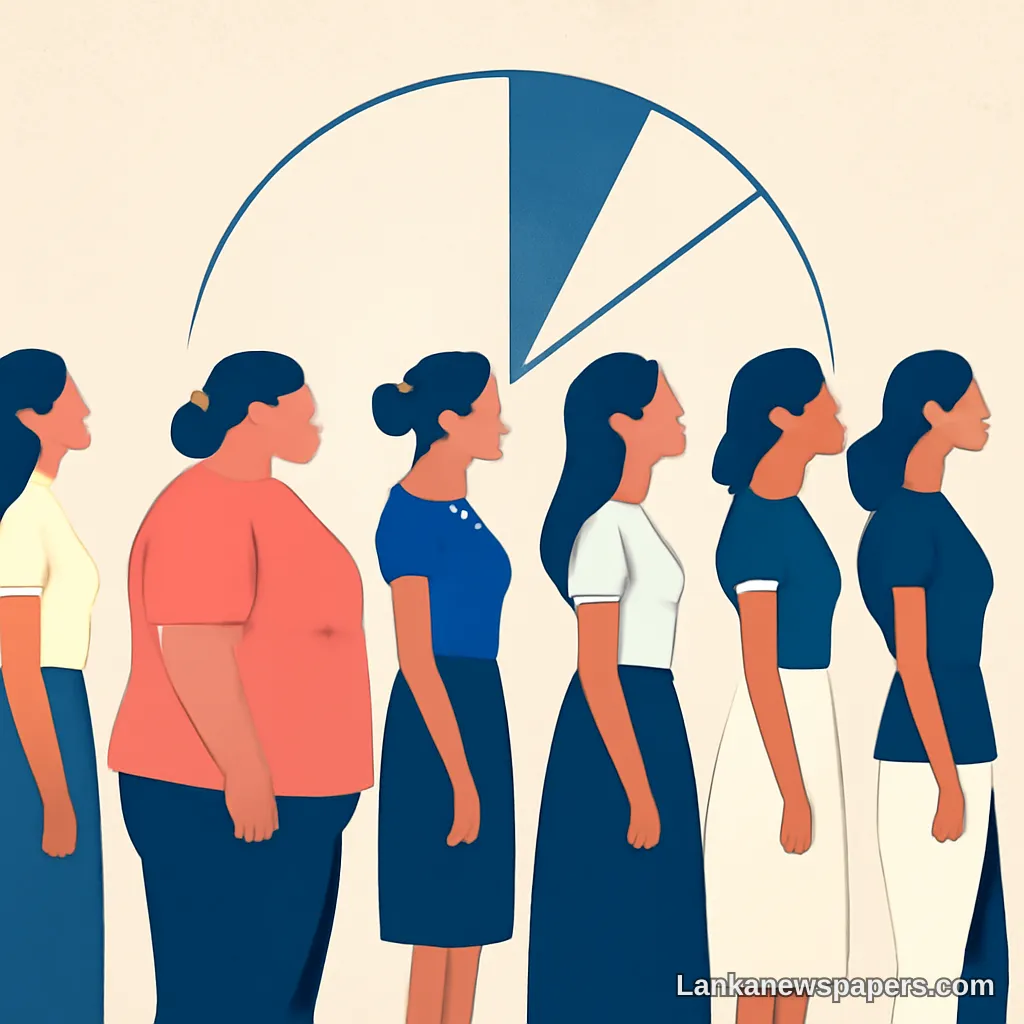
Sri Lanka's Ministry of Health has disclosed that approximately 15 percent of women in the country are classified as obese, raising fresh concerns about the state of public health and the growing burden of non-communicable diseases across the island.
A Growing Public Health Concern
The figures, released by the Ministry of Health, paint a worrying picture of rising obesity rates among the female population in Sri Lanka. With one in every seven women affected, health authorities are urging greater attention to diet, physical activity, and lifestyle choices at both the individual and community levels.
Obesity is widely recognised as a leading risk factor for a range of serious medical conditions, including type 2 diabetes, cardiovascular disease, hypertension, and certain forms of cancer. The implications for Sri Lanka's already-stretched healthcare system are significant if the trend is not addressed proactively.
Lifestyle and Dietary Shifts Cited
Public health experts have long pointed to rapid urbanisation, sedentary work patterns, and shifting dietary habits — including increased consumption of processed and high-calorie foods — as key contributors to weight-related health issues in developing nations, including Sri Lanka.
- Increased consumption of processed and fast foods
- Declining levels of physical activity, particularly in urban areas
- Limited public awareness around nutritional balance
- Economic pressures influencing food choices
Call for Preventive Action
The Ministry of Health's disclosure is expected to intensify calls for targeted public health campaigns aimed at women across all age groups. Nutritionists and medical professionals have stressed that early intervention, including health education in schools and workplaces, is critical to reversing the trend before it worsens.
Obesity is not merely a personal health issue — it is a national concern that demands coordinated policy responses, community engagement, and sustained public awareness efforts.
Sri Lanka has in recent years been grappling with a notable rise in lifestyle diseases, and the latest statistics from the Health Ministry serve as a stark reminder of the urgent need for a comprehensive national strategy targeting obesity and its root causes.



💬 Join the Discussion 4
See what readers are saying — and add your view.
15% means one in seven? someone check that math
what about men though, goverment only focusing on women as usual
not surprised, our food culture is all rice and fried stuff from young age
exactly, and portion sizes in this country are massive no one talks about that