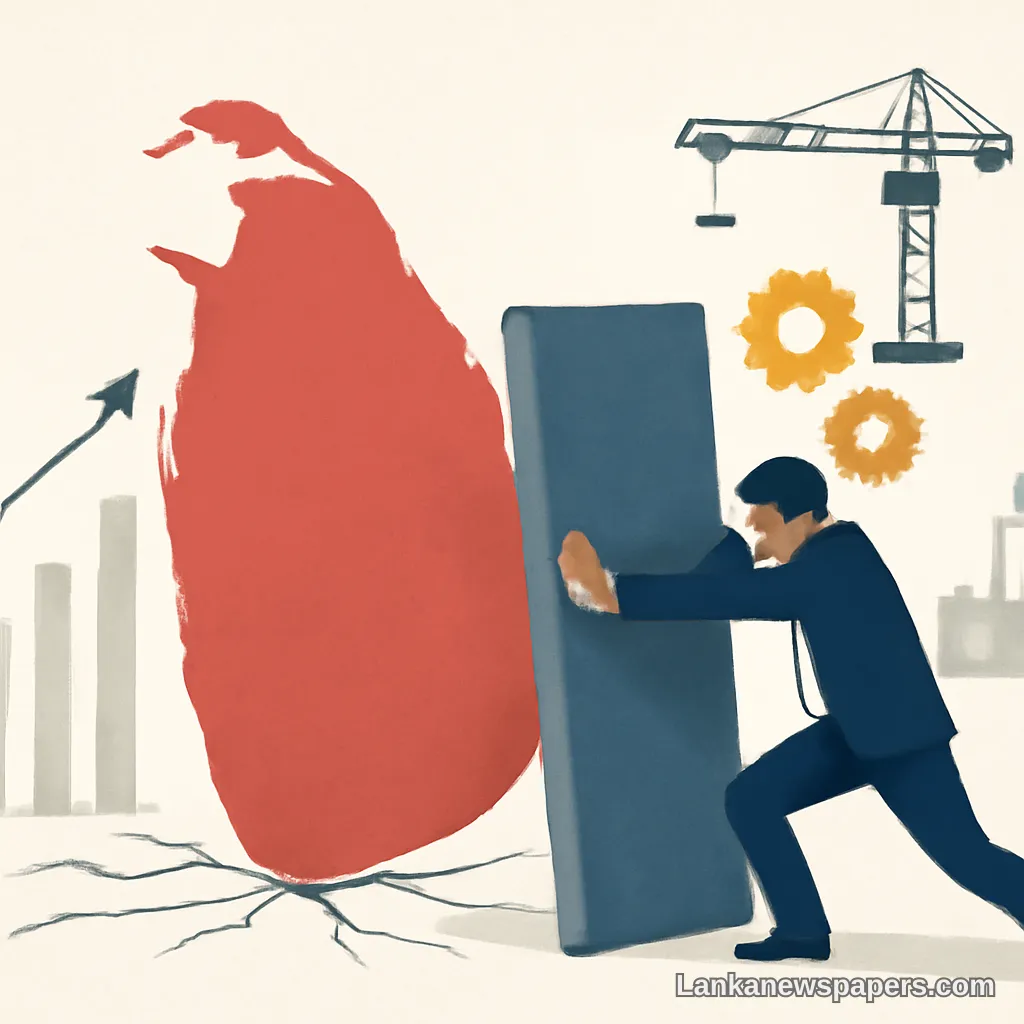
Sri Lanka is intensifying efforts to restructure its economy in a bid to reduce the country's vulnerability to external shocks — a lesson drawn painfully from the devastating economic crisis that brought the island nation to its knees in 2022.
A Crisis That Exposed Deep Vulnerabilities
The collapse of Sri Lanka's foreign reserves, the shortages of fuel, medicine and essential goods, and the unprecedented sovereign debt default served as a stark reminder of how exposed the country's economic architecture was to global disruptions. Policymakers and economists are now calling for fundamental changes to prevent a repeat of such devastation.
The Case for Structural Transformation
Analysts argue that Sri Lanka's heavy dependence on imports, narrow export base, and reliance on tourism and remittances have long left the economy dangerously susceptible to external pressures — whether from global commodity price swings, geopolitical tensions, or sudden shifts in international financial conditions.
Restructuring efforts are focused on several key priorities:
- Diversifying the export base beyond garments and tea to include higher-value goods and services
- Strengthening domestic production capacity to reduce import dependence
- Building adequate foreign reserve buffers to cushion future shocks
- Improving fiscal discipline to ensure the government is not caught without financial flexibility during crises
- Attracting sustainable foreign direct investment in productive sectors
IMF Programme as a Reform Anchor
Sri Lanka's ongoing programme with the International Monetary Fund has provided both the financial lifeline and the reform framework needed to stabilise the economy. Economists note, however, that true resilience will require going beyond IMF-mandated targets to undertake deeper, structural changes that transform how the economy generates and distributes wealth.
Stabilisation measures can stop the bleeding, but only genuine structural reform can ensure Sri Lanka does not find itself in the same position when the next global storm arrives.
Long Road Ahead
While early signs of macroeconomic stabilisation — including a recovering rupee, easing inflation, and returning investor confidence — offer cautious optimism, experts warn that the reform agenda must be sustained across political cycles. Sri Lanka has historically struggled to maintain economic reform momentum through changes in government, a pattern that policymakers must consciously break.
For ordinary Sri Lankans still feeling the weight of higher taxes, increased utility bills, and reduced public services, the promise of a more resilient economy cannot come soon enough. The challenge for the government is to ensure that the burden of restructuring is shared equitably, and that the long-term gains reach all segments of society.



💬 Join the Discussion 0
Be the first to share your view on this story.