Sri Lanka Slaps 50% Surcharge on Imported Vehicles in Bid to Safeguard Foreign Reserves
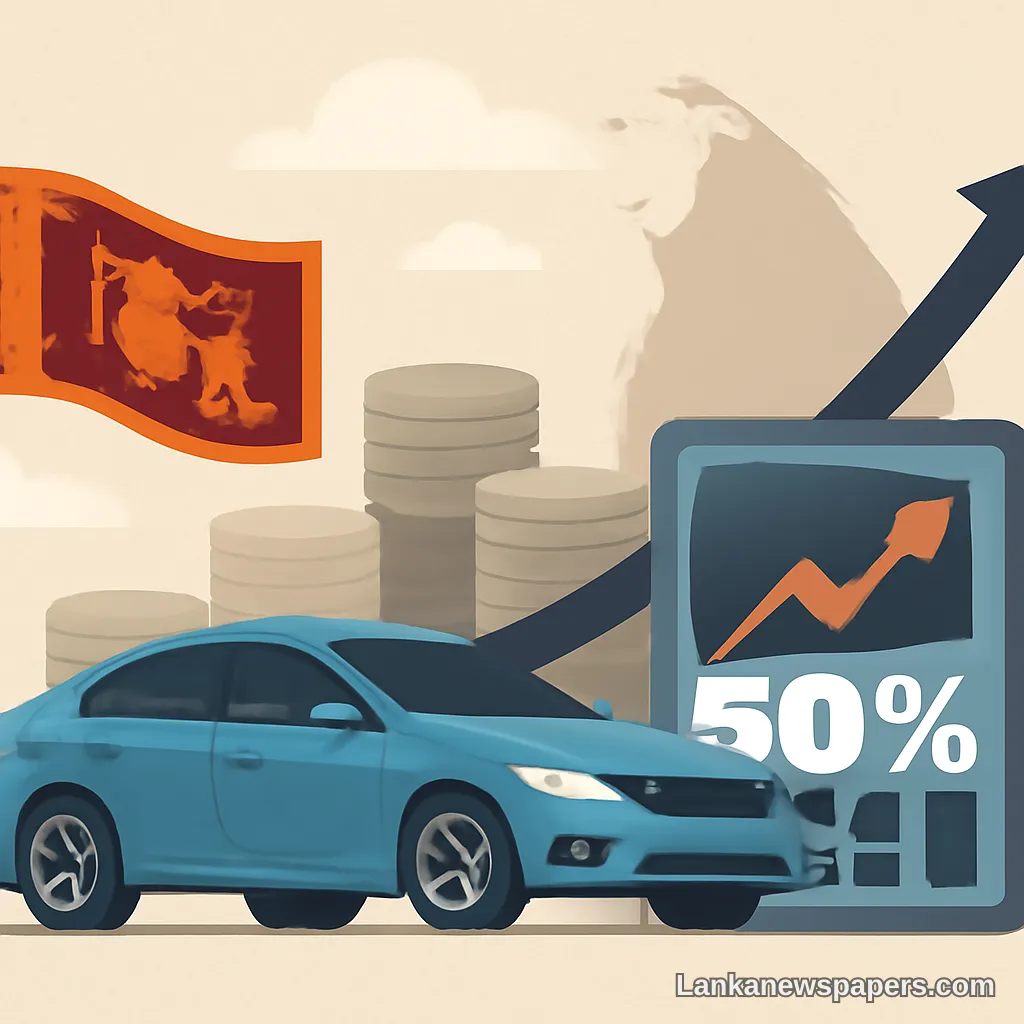
Sri Lanka has introduced a 50 percent surcharge on motor vehicle imports as part of efforts to protect the country's foreign exchange reserves, in a move that is set to significantly increase the cost of bringing vehicles into the island nation.
A Measure to Curb Forex Outflow
The government's decision reflects ongoing concerns about the strain that vehicle imports place on Sri Lanka's foreign currency holdings. Motor vehicles have historically been among the most significant contributors to the country's import expenditure, and authorities have moved to impose the additional levy as a protective measure for the national economy.
The 50 percent surcharge is expected to make imported vehicles considerably more expensive for consumers, potentially dampening demand and reducing the volume of foreign currency flowing out of the country to settle import bills.
Broader Economic Context
Sri Lanka has been navigating a challenging economic landscape in recent years, following the severe foreign exchange crisis that gripped the country and led to critical shortages of fuel, medicine, and other essentials. Stabilising reserves remains a key priority for policymakers as the nation works to consolidate its economic recovery.
Restrictions on vehicle imports have been used previously as a tool to manage foreign exchange outflows, and this latest surcharge signals that the government remains cautious about any resurgence in import-driven pressure on reserves.
Impact on Consumers and the Automotive Sector
Industry observers expect the surcharge to have a noticeable impact on both private buyers and businesses that rely on imported vehicles. Car dealers and vehicle importers are likely to face reduced consumer interest as prices rise sharply in response to the new charge.
For ordinary Sri Lankans hoping to purchase a vehicle, the increased cost burden may push ownership further out of reach, particularly for those considering newer or higher-value models sourced from abroad.
The government has yet to indicate whether any exemptions or concessions will be granted for specific categories of vehicles, such as electric cars or commercial transport, and further clarity is anticipated in the coming days.



💬 Join the Discussion 3
See what readers are saying — and add your view.
so now only politicians and rich ppl can import vehicles, common man finished
good move, protect the reserves first, worry about cars later
easy to say when you already have a car no