How the 'Chinese Debt Trap' Myth Around Hambantota Port Finally Fell Apart
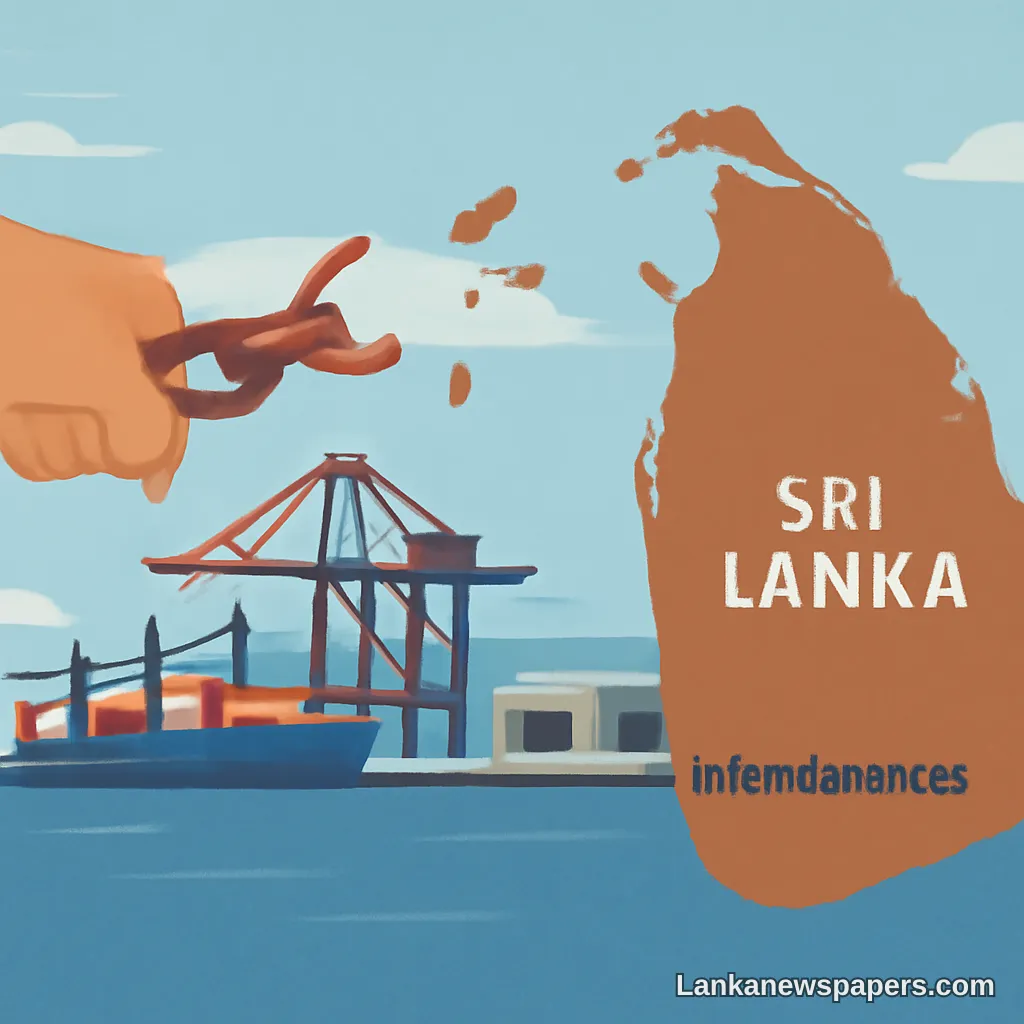
For years, Sri Lanka's Hambantota Port has been cited as the defining example of so-called Chinese "debt trap diplomacy" — a narrative suggesting that Beijing deliberately ensnares developing nations in unpayable loans, then seizes their strategic assets as collateral. That story, it turns out, has far less substance than its proponents claimed.
The Origins of a Powerful Narrative
The Hambantota story gained global traction after Sri Lanka signed a 99-year lease handing operational control of the southern port to China Merchants Port Holdings in 2017. Western governments, think tanks, and media outlets quickly framed the deal as proof that China was using infrastructure financing as a tool of geopolitical coercion — a model, they warned, being replicated across Africa, Asia, and the Pacific.
The narrative was compelling and widely repeated. But scholars and researchers who examined the actual facts of the deal began arriving at starkly different conclusions.
What the Evidence Actually Shows
A closer examination of the Hambantota arrangement reveals several inconvenient truths for those who promoted the debt trap thesis. The port lease was not a condition imposed by Chinese lenders following a loan default. Rather, it was a deal actively pursued by the Sri Lankan government itself as a means of raising foreign exchange to ease broader balance-of-payments pressures.
Crucially, the loans that financed Hambantota Port's construction were not the primary driver of Sri Lanka's debt crisis. Sri Lanka's debt difficulties stemmed overwhelmingly from commercial borrowing — particularly international sovereign bonds sold on global markets — rather than from Chinese state loans, which carried comparatively concessional terms.
- Chinese loans for Hambantota carried interest rates significantly lower than commercial market rates
- Sri Lanka's sovereign bond repayments to Western financial markets far outweighed its obligations to Chinese lenders
- The 2017 port lease generated an upfront payment of approximately USD 1.12 billion for Colombo
- China does not hold military access rights at Hambantota under the lease agreement
Researchers Push Back
Academic researchers, including those at Johns Hopkins University's China-Africa Research Initiative, have been among the most prominent voices challenging the debt trap narrative. Their findings consistently showed that China has not historically seized assets from countries unable to repay loans, and that the Hambantota case was mischaracterised from the outset.
The debt trap narrative was built more on geopolitical anxiety than on documented evidence of Chinese lending behaviour or the specific circumstances of the Hambantota transaction.
Why It Matters for Sri Lanka
For Sri Lankans, the distinction matters enormously. The country is still recovering from its catastrophic 2022 economic crisis — the worst in its post-independence history — which saw foreign reserves collapse, fuel and medicine run short, and a historic sovereign debt default declared. Understanding the true causes of that crisis, rather than relying on politically convenient scapegoats, is essential to ensuring such a collapse is never repeated.
The evidence points firmly toward unsustainable commercial borrowing, fiscal mismanagement, and an over-reliance on tourism revenue and remittances as the genuine culprits — not Chinese port financing.
A Cautionary Tale About Geopolitical Storytelling
The rapid global spread of the Hambantota debt trap narrative serves as a reminder of how geopolitical framing can overwhelm factual analysis, particularly when a story fits neatly into broader anxieties about a rising China. Sri Lanka, in this telling, was reduced to a cautionary tale rather than treated as a sovereign nation navigating complex development financing decisions.
As Sri Lanka charts its path toward economic recovery and rebuilds relationships with international partners — including China, India, and Western creditors — a clearer, evidence-based understanding of what actually happened at Hambantota will be vital to informed policymaking and public debate.



💬 Join the Discussion 0
Be the first to share your view on this story.