Over 20% of Sri Lankan Schoolchildren Suffering From Malnutrition, Health Ministry Warns
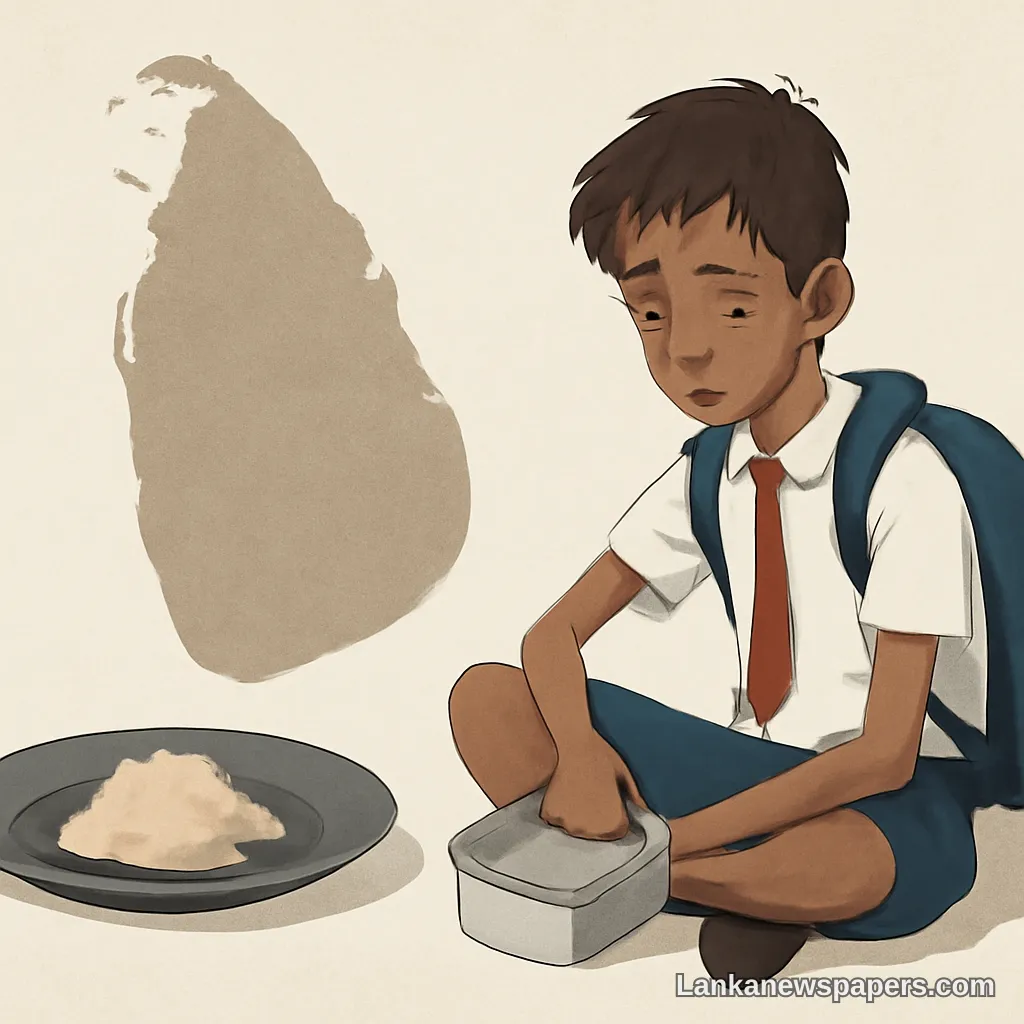
More than one in five schoolchildren across Sri Lanka are currently affected by malnutrition, the Secretary to the Ministry of Health has revealed, raising serious concerns about the nutritional wellbeing of the country's younger generation.
A Growing Dual Burden
Addressing journalists at a media briefing held at the Health Promotion Bureau, Health Ministry Secretary Anil Jasinghe cautioned that Sri Lanka is now confronting what experts describe as a dual burden of malnutrition — a situation in which undernutrition and obesity exist simultaneously within the same population.
This troubling combination signals that the country's nutritional challenges extend beyond simple food scarcity, pointing instead to deeper issues surrounding diet quality, food choices, and public health education.
Undernutrition and Obesity Side by Side
While a significant proportion of schoolchildren remain undernourished — lacking adequate calories, vitamins, and essential nutrients — an increasing number are also being identified as overweight or obese. Health officials warn that both conditions carry serious long-term consequences for children's physical development, cognitive performance, and overall quality of life.
More than one in five schoolchildren in Sri Lanka were affected by malnutrition, with the country facing a growing dual burden of undernutrition and obesity — Anil Jasinghe, Secretary, Ministry of Health
A Call for Urgent Action
The Ministry of Health's warning underscores the urgent need for coordinated national intervention, including improved school nutrition programmes, greater public awareness on balanced diets, and stronger policy frameworks targeting child health across all provinces.
Health advocates and nutritionists have long stressed that addressing malnutrition in its various forms requires not only ensuring food access but also promoting healthier eating habits from an early age, particularly within school environments.
The disclosure is expected to prompt renewed debate among policymakers, educators, and health professionals on how best to safeguard the nutritional future of Sri Lanka's children.



💬 Join the Discussion 0
Be the first to share your view on this story.