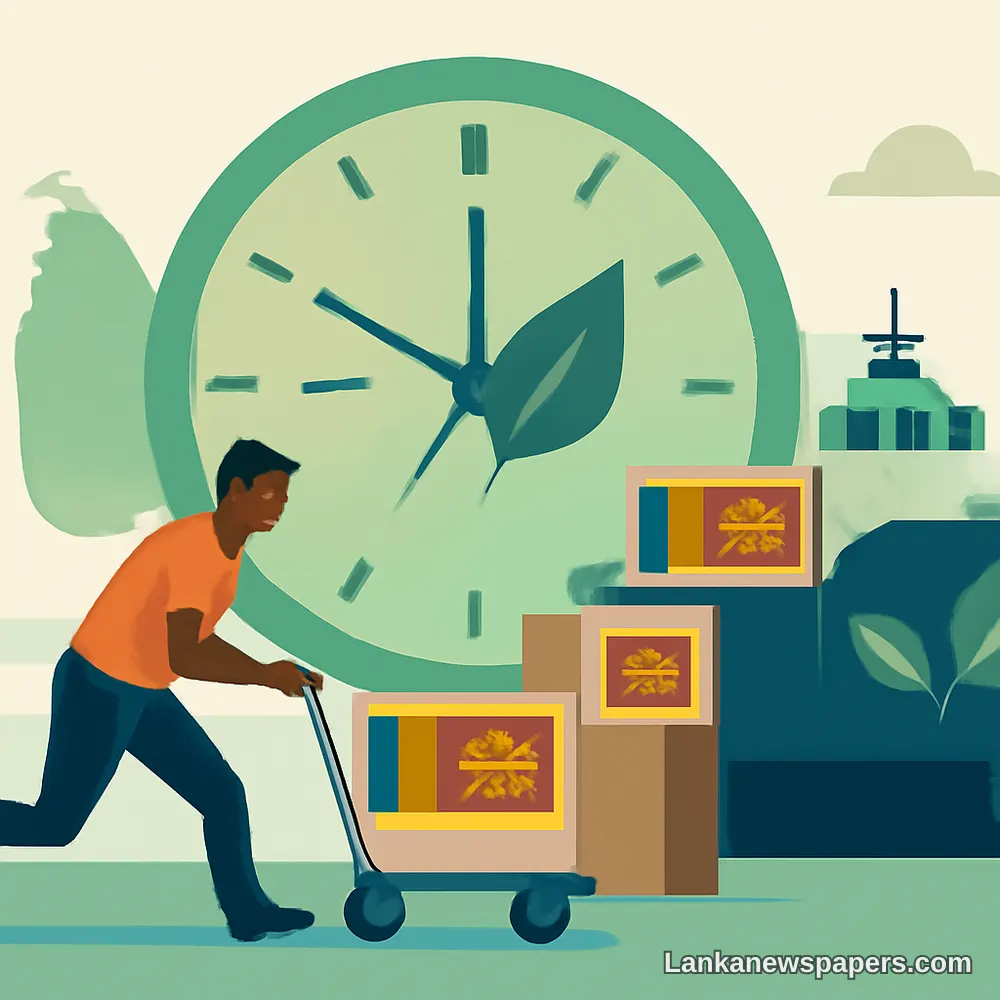
New European Union Sustainability Regulations Set to Reshape Sri Lanka's Export Landscape
Sri Lankan exporters are under mounting pressure to align with a sweeping set of new sustainability regulations introduced by the European Union, as compliance deadlines draw closer and businesses scramble to adapt their operations to meet the stricter environmental and social standards.
What the New Rules Mean for Local Exporters
The EU's updated sustainability framework places far greater demands on exporters seeking access to one of the world's most lucrative trading blocs. Companies are now required to demonstrate responsible sourcing practices, reduced carbon footprints, and adherence to labour and environmental standards across their entire supply chains — not merely at the point of final production.
For Sri Lanka, whose key export sectors include apparel, tea, spices, and rubber, the implications are significant. Many businesses, particularly small and medium-sized enterprises, may find the cost and complexity of achieving full compliance a formidable challenge.
Key Sectors Under the Spotlight
- Apparel and textile manufacturers facing supply chain transparency requirements
- Tea exporters required to meet environmental and fair labour benchmarks
- Agricultural product suppliers subject to deforestation-linked due diligence rules
- Rubber and coconut-based product exporters needing to demonstrate sustainable sourcing
Industry Concerns and Government Response
Trade industry representatives have raised concerns that without adequate government support, technical assistance, and capacity-building programmes, a number of Sri Lankan exporters risk losing their foothold in the European market altogether. The EU remains one of Sri Lanka's most important trading partners, and any disruption to market access could have serious economic consequences at a time when the country is still navigating its post-crisis recovery.
Exporters who fail to meet the new sustainability benchmarks risk being shut out of EU markets entirely, making compliance not just a regulatory obligation but a matter of economic survival.
Authorities and trade promotion bodies have been urged to roll out targeted advisory services and financial mechanisms to help businesses — especially smaller operators — understand what is required and take practical steps toward compliance before the deadlines take effect.
A Broader Global Shift Toward Green Trade
The EU's move reflects a broader international trend of linking market access to environmental and social responsibility. As major economies tighten their green trade criteria, Sri Lanka's ability to remain competitive on the world stage will increasingly depend on how swiftly and effectively its export sector can embrace sustainable practices.
Experts note that while the transition presents real short-term challenges, businesses that successfully meet the new standards stand to gain a long-term competitive advantage, positioning themselves as trusted, responsible suppliers in a global marketplace that is progressively prioritising sustainability.



💬 Join the Discussion 3
See what readers are saying — and add your view.
EU setting rules but who checks if they actually follow it properly
small companies cant afford all this green compliance, goverment should help
exactly, big exporters will survive but small ones will suffer