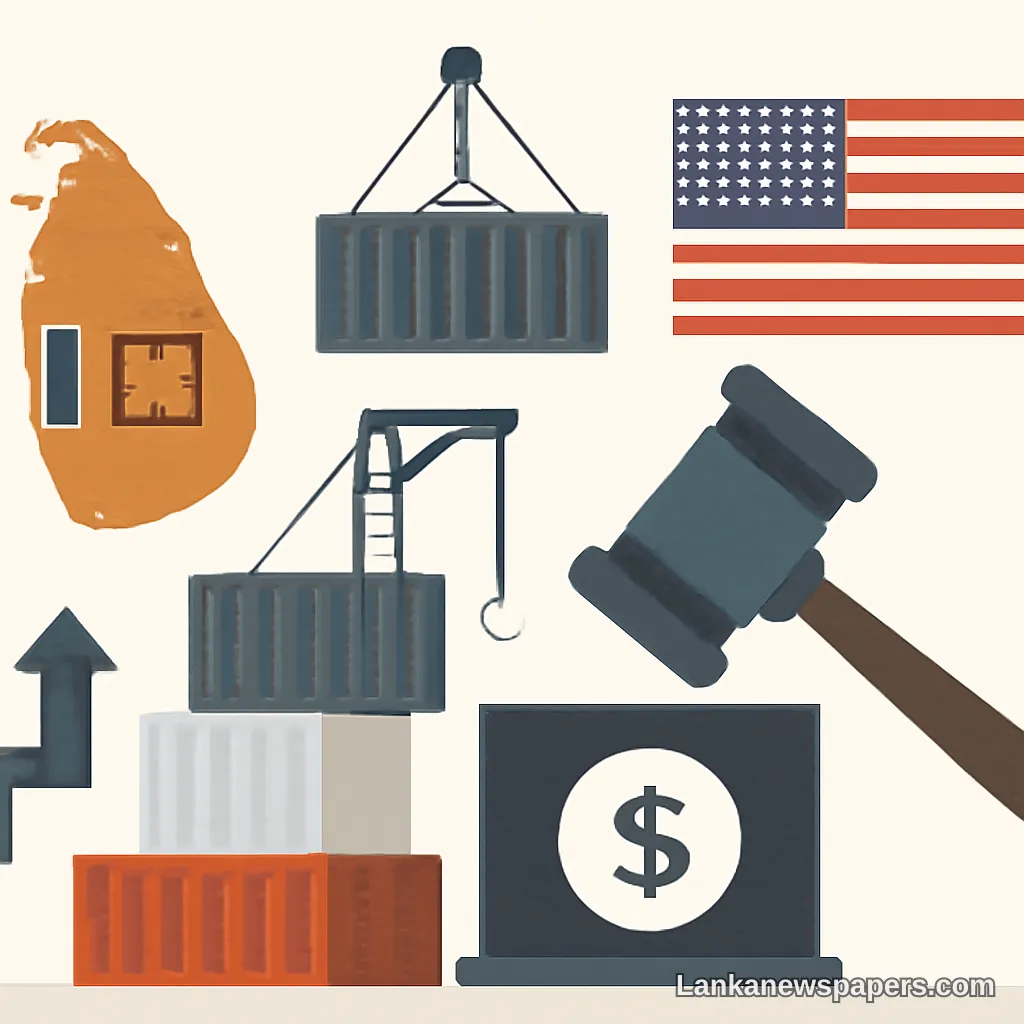
Sri Lanka Included in Sweeping U.S. Tariff Measures
Sri Lanka has been named among approximately 60 countries now subject to new import taxes imposed by the United States, in a sweeping trade policy move that is set to affect a significant portion of the global economy.
The measures, introduced by the U.S. government, form part of a broader effort to restructure American trade relationships and address what Washington describes as unfair trading practices by partner nations. Sri Lanka finds itself on the list alongside a wide range of economies, from major trading blocs to smaller developing nations.
Potential Impact on Sri Lankan Exports
The development raises serious concerns for Sri Lanka, which relies heavily on the United States as one of its key export destinations. Key Sri Lankan export sectors that could face headwinds include:
- Apparel and garments, which form the backbone of the country's export economy
- Rubber-based products and industrial goods
- Tea and agricultural commodities
- Seafood and processed food items
With the country's export industry still navigating a fragile recovery following Sri Lanka's worst economic crisis in decades, the timing of these tariff measures adds a fresh layer of uncertainty for manufacturers, exporters, and policymakers alike.
A Challenging Moment for Trade Recovery
Sri Lanka has been working to rebuild foreign exchange reserves and stabilise its economy under an International Monetary Fund recovery programme. Any disruption to export earnings — particularly from the vital garment sector, which employs hundreds of thousands of Sri Lankans — could complicate that recovery trajectory.
Trade analysts warn that Sri Lankan exporters may face reduced competitiveness in the U.S. market if the new import taxes make locally produced goods more expensive for American buyers compared to products from countries not subject to similar measures.
Government Response Awaited
It remains to be seen how the Sri Lankan government will respond diplomatically and strategically to the new U.S. tariff regime. Authorities are expected to assess the full scope of the measures and their potential impact on bilateral trade before determining a formal position or initiating discussions with Washington.
Business chambers and export industry bodies are also likely to call for urgent consultations with the government to explore possible mitigation strategies, including seeking exemptions or negotiating revised trade arrangements with U.S. counterparts.
The development underscores the vulnerability of small, open economies like Sri Lanka to shifts in global trade policy, particularly when driven by the world's largest single-country economy.



💬 Join the Discussion 0
Be the first to share your view on this story.