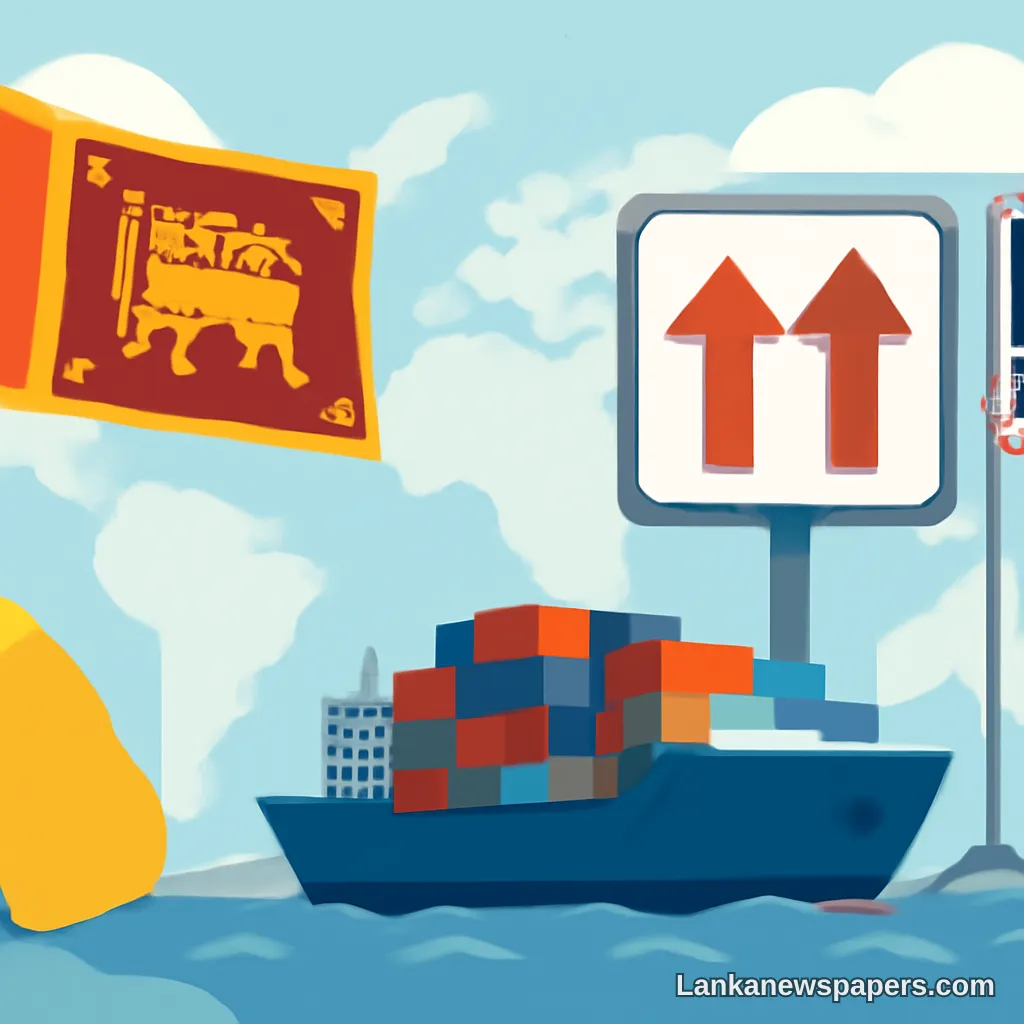
Washington Moves to Impose Broad Tariff Measures Across Developing and Trading Nations
Sri Lanka is among approximately 60 countries targeted under a sweeping new round of import tariffs proposed by the United States, in what analysts are describing as one of the most expansive trade policy moves in recent American history.
The proposed tariffs, which span a wide range of trading partners across Asia, Africa, and beyond, signal a significant shift in Washington's approach to international commerce and could carry notable implications for Sri Lanka's export-driven economy.
Potential Impact on Sri Lanka's Export Sector
Sri Lanka relies heavily on the United States as a key export destination, with garments and apparel accounting for a substantial share of the country's foreign exchange earnings. Any new tariff barriers imposed on Sri Lankan goods entering the American market could place local manufacturers under considerable pressure, potentially affecting both revenue and employment in the sector.
- The apparel and textile industry is among Sri Lanka's largest export earners to the US market.
- Tea, rubber products, and other manufactured goods could also be subject to the proposed measures.
- Small and medium-sized exporters may face the most immediate financial strain if the tariffs are enacted.
A Wider Global Trade Shift
The United States has increasingly moved toward protectionist trade policies in recent years, citing concerns over trade deficits and the need to bolster domestic manufacturing. The latest proposed tariffs appear to be an extension of that broader strategic direction, targeting nations with which Washington perceives unfavourable trade balances.
Sri Lanka's inclusion in this list underscores the reality that even smaller, developing economies are not exempt from the ripple effects of shifting US trade priorities.
Trade economists and industry stakeholders in Colombo are expected to closely monitor developments in Washington as details of the proposed tariff framework are formalised. The Sri Lankan government may need to engage in diplomatic and trade consultations to safeguard the country's export interests and explore any available exemption mechanisms.
Further details on the scope, rates, and timeline of the proposed tariffs are anticipated as the US administration advances its trade policy agenda.


💬 Join the Discussion 0
Be the first to share your view on this story.