IMF Under Fire for Falling Short on Anti-Corruption Efforts in Sri Lanka
Growing Criticism Over IMF's Oversight Role
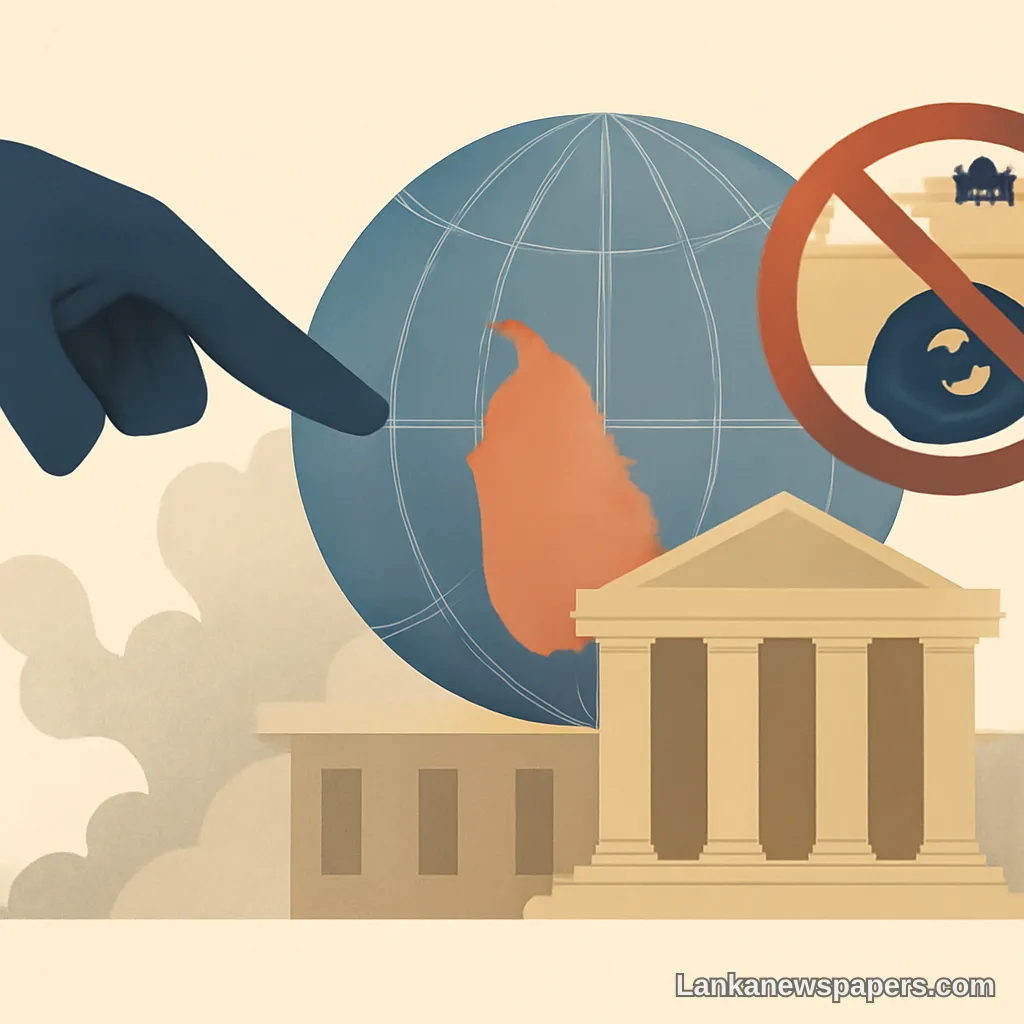
The International Monetary Fund is facing mounting scrutiny over its perceived failure to meaningfully address corruption in Sri Lanka, even as the island nation continues to navigate a challenging economic recovery programme backed by the global lender.
Concerns Over Programme Conditions
Critics and analysts have raised serious questions about whether the IMF has done enough to embed robust anti-corruption safeguards within the conditions attached to its bailout arrangement with Sri Lanka. While the Fund has consistently emphasised fiscal consolidation and structural reform as central pillars of the programme, detractors argue that governance and accountability measures have received insufficient attention.
Sri Lanka entered into an IMF Extended Fund Facility in 2023 following one of the worst economic crises in the country's post-independence history, which saw foreign reserves collapse, fuel and medicine shortages grip the nation, and widespread public unrest force the resignation of then-President Gotabaya Rajapaksa.
Governance Gaps Remain a Concern
Despite the scale of the crisis — which many economists and civil society groups directly linked to decades of financial mismanagement and institutionalised corruption — observers note that concrete mechanisms to hold officials accountable have remained weak throughout the recovery process.
- Anti-corruption benchmarks within the IMF programme have been criticised as vague and difficult to enforce.
- Key state institutions responsible for oversight and accountability continue to face resource and independence challenges.
- Prosecutions of individuals implicated in large-scale financial wrongdoing remain limited.
IMF's Position
The IMF has maintained that governance reforms are part of its broader engagement with Colombo and that progress is being monitored through regular programme reviews. However, civil society organisations and transparency advocates argue that without more stringent conditionality, the root causes of Sri Lanka's economic collapse risk being left unaddressed.
Accountability and transparency must be treated as prerequisites for sustainable recovery, not as afterthoughts to be managed once fiscal targets are met.
What This Means for Sri Lanka's Recovery
For ordinary Sri Lankans who bore the heaviest burden of the economic crisis — enduring soaring inflation, power cuts, and shortages of essential goods — the question of whether corruption will truly be confronted remains deeply personal. Many fear that without decisive action, the structural vulnerabilities that brought the country to its knees could once again resurface, undermining whatever economic gains have been made under the current programme.
As Sri Lanka continues its path toward economic stabilisation, pressure is likely to grow on both the government in Colombo and its international partners to ensure that governance reform is not merely a talking point, but a measurable and enforceable commitment.


💬 Join the Discussion 0
Be the first to share your view on this story.