Sri Lanka's Economic Recovery Faces Mounting Pressure as Global Headwinds Intensify
A Fragile Rebound Under Threat
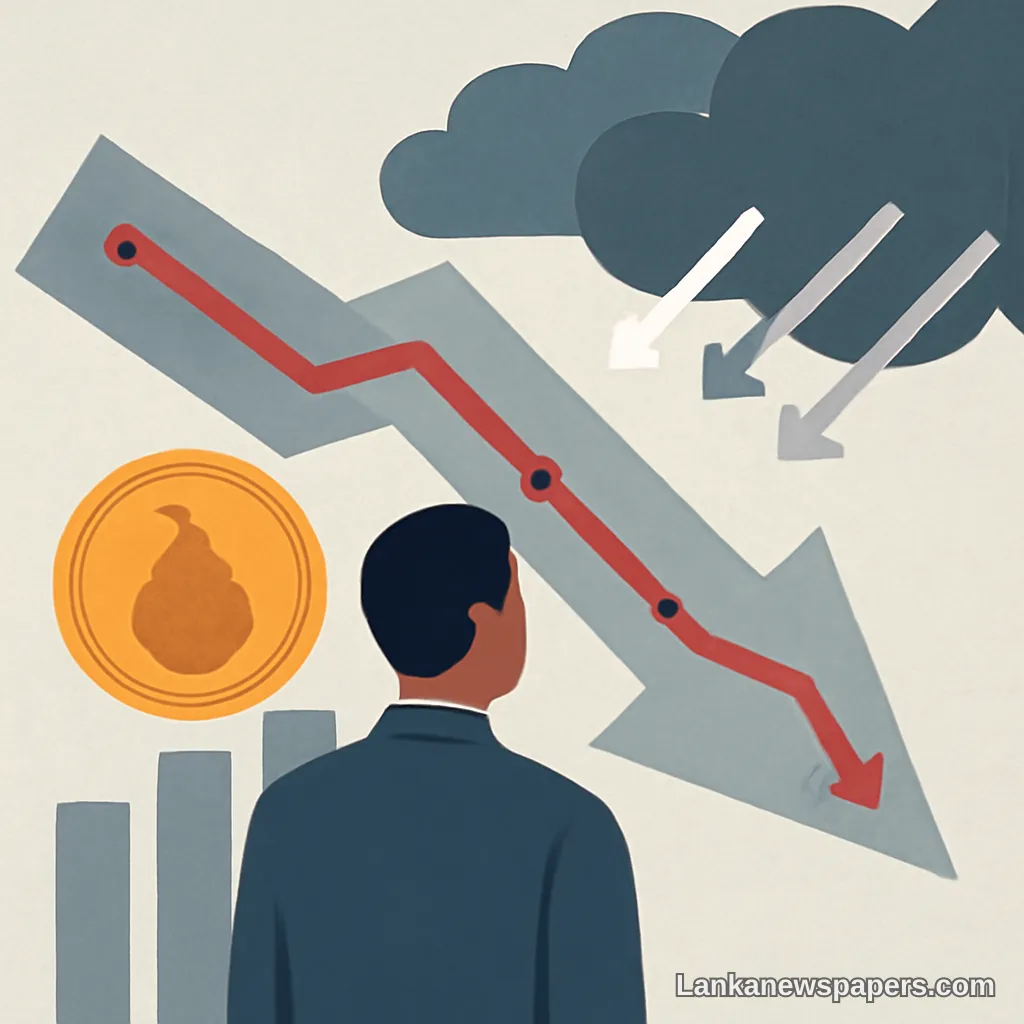
Sri Lanka's hard-fought economic recovery, built on years of painful fiscal adjustment and international bailout support, now stands at a critical juncture as a combination of external pressures threatens to undermine the progress achieved since the country's historic 2022 economic collapse.
Progress Made, But Vulnerabilities Remain
Since bottoming out during the severe foreign exchange crisis that sparked widespread fuel shortages, medicine scarcities and prolonged power cuts, Sri Lanka has managed to stabilise its macroeconomic fundamentals to a notable degree. Inflation has been brought under control, foreign reserves have gradually rebuilt, and the International Monetary Fund's bailout programme has provided a crucial financial lifeline that helped restore a measure of credibility to the country's battered economy.
However, economists and analysts are increasingly cautioning that the foundation of this recovery remains fragile and susceptible to shocks originating well beyond Sri Lanka's borders.
External Forces Clouding the Outlook
A range of global and regional factors are now converging to test the resilience of Sri Lanka's economic stabilisation efforts. These include shifting international trade dynamics, tightening global financial conditions, and uncertainty surrounding key foreign exchange earners such as tourism and worker remittances.
- Volatile global commodity prices continue to place pressure on import costs, particularly for fuel and essential goods.
- Uncertainty in major remittance-sending countries could dampen the inflow of foreign currency from Sri Lankan workers abroad.
- Slower growth among key tourism source markets may weigh on visitor arrivals and spending.
- Tighter global credit conditions make external borrowing more costly and difficult for emerging economies like Sri Lanka.
Policy Decisions at a Defining Moment
Authorities face the delicate challenge of maintaining fiscal discipline demanded by the IMF programme while simultaneously managing the social and economic pressures felt by ordinary Sri Lankans, many of whom are still recovering from the devastating cost-of-living crisis of recent years.
Sri Lanka's recovery trajectory will depend heavily on the government's ability to stay the course on structural reforms while responding nimbly to external shocks beyond its direct control.
Analysts stress that sustaining investor confidence, pushing forward with state enterprise reforms, and protecting foreign reserve buffers will be essential to navigating the turbulent global environment without derailing the gains achieved so far.
The Road Ahead
For millions of Sri Lankans who endured the worst economic crisis in the country's post-independence history, the stakes could not be higher. While the worst of the crisis appears to have passed, the coming months will serve as a defining test of whether Sri Lanka's recovery is robust enough to withstand the storms gathering on the global economic horizon.


💬 Join the Discussion 0
Be the first to share your view on this story.