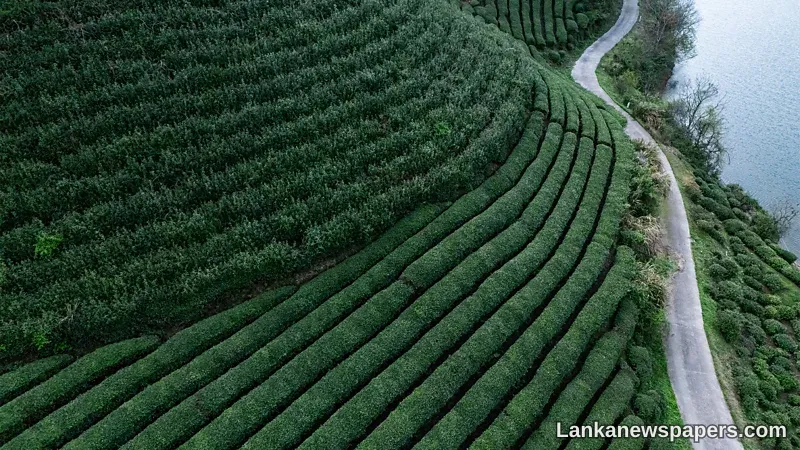
For centuries, Longjing has been well-known among tea enthusiasts, especially since the Qianlong Emperor visited Hangzhou in the 18th century. According to legend, he was so impressed with the tea that he designated 18 bushes as imperial and reserved their harvests for the royal court. Farmers have long organized their year around the Longjing spring harvest. In recent years, the tea's reputation has grown, fueled by stricter geographic labeling, a renewed interest in traditional products, and an increasing global awareness of regional Chinese teas. Visiting these hillside farms has become more important than ever. A persistent market for counterfeit Longjing makes it harder to find the real thing, while the traditional hand-firing process that gives the tea its unique flavor is often replaced by machines. Today, authentic Longjing is more sought after and harder to find, making trips to Hangzhou’s tea villages one of the best ways to see the tea produced at its source. For Xiaopeng, a fourth-generation tea farmer, the year is structured around the spring harvest. “Timing is very important for Longjing,” he explains. The first buds, which appear in mid- to late-March, are the most valuable, known for their subtle chestnut aroma and delicate taste. These prized buds are graded based on when they are harvested in the Chinese calendar, which divides the year into 24 micro-seasons according to the Earth’s position to the Sun. Themingqiantier refers to the early harvest before Qingming, which starts on April 4 or 5. Later harvests are labeled yuqian, meaning "before Guyu," which is the next solar term. Even a few days’ difference in harvesting can greatly affect the leaves' value. From Xiaopeng’s family farm, just 500g of the earliest mingqian batches can now sell for over 30,000 yuan (about £3,250 or $4,400). Xiaopeng mentions that this price would have been unimaginable a generation ago, due to rising labor costs and a growing gap between supply and demand. I visited Xiaopeng’s family farm in Longwu Tea Village based on a recommendation from my friend Meng Keqi, a Hangzhou native who once owned a tea shop in Chicago. As I walk with Xiaopeng through his fields on a tour, the sky is cloudy, and the air feels warm. “These conditions are perfect for the leaves,” he says, noting that light, misty rain and gentle sunlight help the shoots grow slowly, giving the early harvests their signature clean and delicate flavor, free from bitterness or grassy notes. However, this narrow two-week mingqian harvest window is highly anticipated yet increasingly difficult to predict due to climate change affecting seasonal weather patterns. As the calendar nears Guyu, around April 19 or 20, warmer weather and heavier rain promote faster growth, which can bring out more bitter flavors in the tea. The early buds not only have a sweeter, gentler taste, but they also require a careful and precise touch during the wok-firing process, an essential step in crafting Longjing. Af...



💬 Join the Discussion 0
Be the first to share your view on this story.