Sri Lanka Secures Lower 10% US Tariff Rate Following Forced Labour Import Restrictions
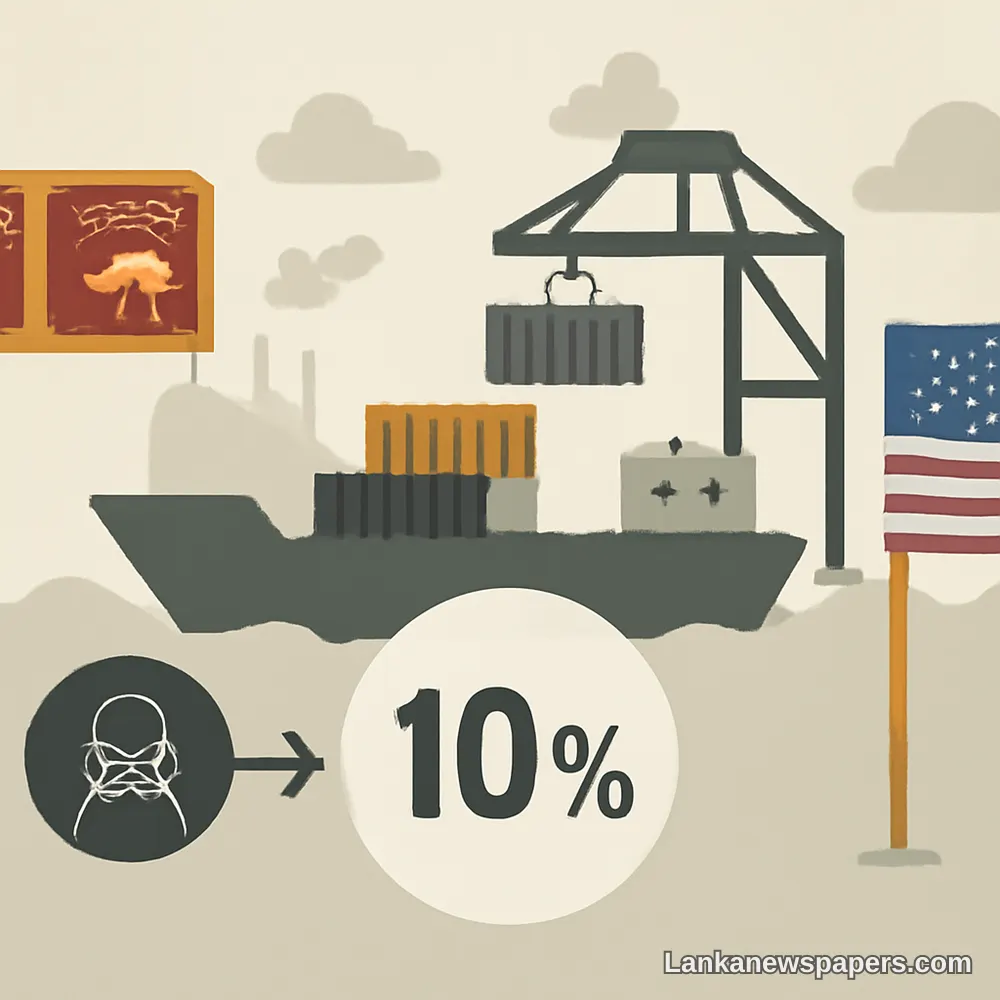
Forced Labour Ban Unlocks Reduced Tariff Treatment for Sri Lanka
Sri Lanka has qualified for a reduced United States tariff rate of 10 percent, following the implementation of import restrictions linked to forced labour practices, offering a significant reprieve for the island nation's export sector amid ongoing global trade tensions.
What the Lower Rate Means for Sri Lanka
The 10 percent tariff rate positions Sri Lanka more favourably compared to higher duties imposed on several competitor nations, potentially boosting the country's attractiveness as a sourcing destination for American importers. For an economy heavily reliant on garment and textile exports to the United States, the development carries considerable economic weight.
Sri Lanka's export industry, particularly its apparel sector, has long depended on access to the US market. Any reduction in tariff burdens is widely seen as a competitive advantage that could help sustain order volumes and protect employment across the manufacturing sector.
Forced Labour Restrictions as a Trade Lever
The lower tariff eligibility is directly tied to import ban measures targeting goods produced through forced labour. By aligning with these trade compliance standards, Sri Lanka has effectively demonstrated to US authorities a commitment to ethical labour supply chains, which has in turn triggered the more favourable tariff classification.
The move reflects a broader shift in US trade policy, where market access and tariff rates are increasingly being linked to labour rights and supply chain transparency standards rather than purely economic negotiations.
Industry and Economic Outlook
Trade analysts view the development as a timely boost for Sri Lanka, which has been navigating a challenging economic recovery following the 2022 financial crisis. Improved tariff conditions with one of the world's largest consumer markets could support foreign exchange earnings and strengthen export revenue at a critical time.
Exporters and industry bodies are expected to closely monitor further developments in US trade policy to determine whether additional concessions or adjustments may follow as bilateral trade relations continue to evolve.



💬 Join the Discussion 1
See what readers are saying — and add your view.
better than 25% no? at least goverment did something right for once