Politics
Trump proposes “historic” defense spending budget, eyes 10% cut to other federal programs
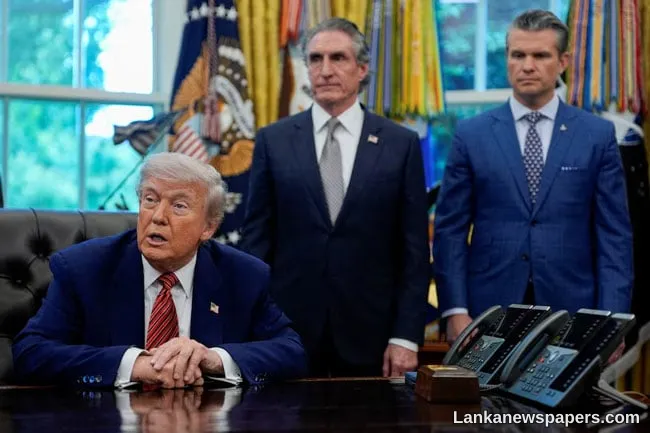
President Donald Trump on Friday proposed a significant budget plan for the 2027 fiscal year, calling for a 10% reduction in non-defense spending and a large $500 billion increase in military funding as the U.S. continues its conflict with Iran. This budget request comes at a time when Trump is making tough decisions internationally, with U.S. troops deployed to the Middle East and American citizens feeling the financial impact of rising gas prices linked to the war. Congress must approve the budget, and disagreements over Trump’s spending proposals previously led to the longest government shutdown in U.S. history. The proposed defense budget would rise to $1.5 trillion from around $1 trillion in 2026 and includes a pay increase of 5% to 7% for military personnel while many service members are currently on active duty. The White House highlighted that this level of defense funding is similar to the “historic increases just before World War II.” This request marks a sharp turn from Trump’s earlier views on military spending during his first term, when he described the funding levels as “crazy.” When Trump took office, he aimed to reduce federal spending and decrease the national budget deficit, even bringing in Elon Musk to help cut about 300,000 jobs from the federal workforce. However, the national deficit, which is the difference between government income and spending, has continued to grow. The nonpartisan Congressional Budget Office estimates a $1.853 trillion deficit for the fiscal year ending on September 30, which is larger than last year’s $1.775 trillion. The national debt, which stands at $39.016 trillion, has increased under both Republican and Democratic administrations, mainly because most political debates about spending focus on the portion of the budget Congress can control, known as “discretionary spending,” which is roughly a quarter of the total budget. The 2027 budget plan does not address the most costly areas of mandatory federal spending, such as Social Security and Medicare for seniors, as suggesting cuts in these areas is seen as politically risky.



💬 Join the Discussion 0
Be the first to share your view on this story.