Chinese Scientists Unveil Electronic 'Magic Comb' That Could Spell the End of Baldness
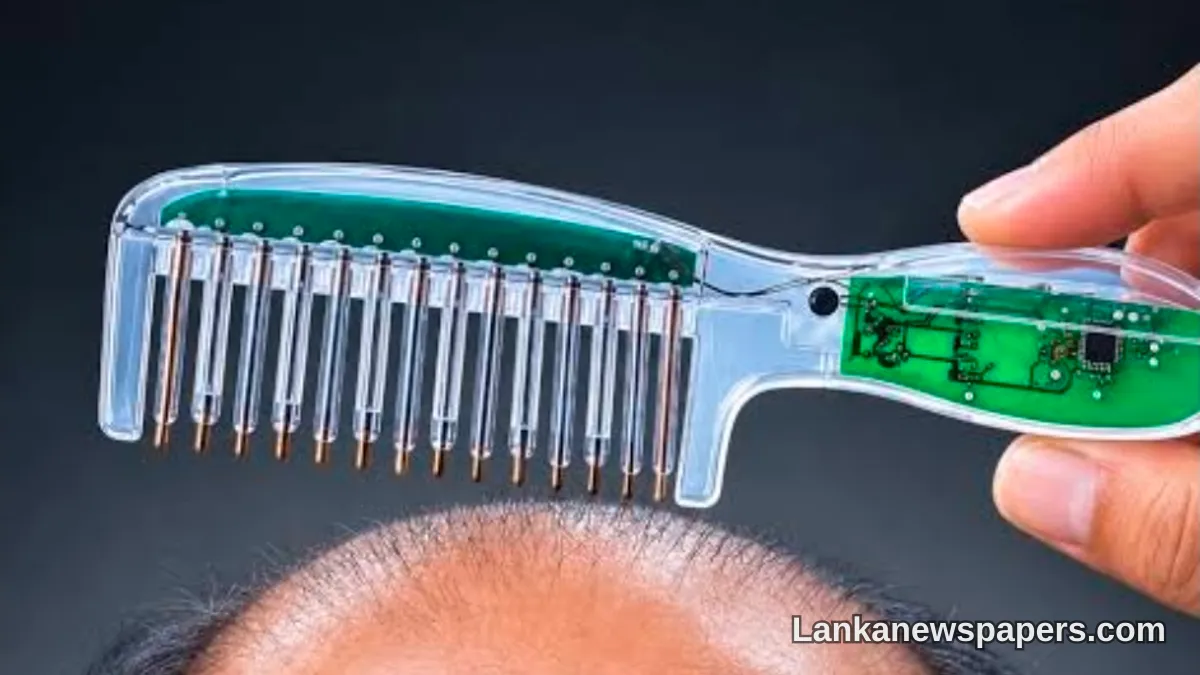
For millions of people worldwide who struggle with hair loss, a remarkable new invention from China may offer fresh hope. Scientists have developed an electronic comb that uses advanced technology to stimulate hair regrowth, with laboratory results showing an impressive hair coverage rate of nearly 98 percent.
How the Device Works
The so-called "Magic Comb," developed by Chinese researchers, is an innovative electronic device designed to actively encourage the regrowth of hair follicles. Rather than relying on chemical treatments or surgical procedures, the comb works by delivering targeted electronic stimulation to the scalp, triggering biological responses that promote new hair growth.
The device represents a significant departure from conventional approaches to treating baldness, which have traditionally involved pharmaceutical solutions, topical creams, or costly hair transplant surgeries — many of which come with side effects or varying degrees of success.
Promising Laboratory Results
Early laboratory testing has yielded highly encouraging outcomes. Scientists recorded hair coverage levels of close to 98 percent in controlled conditions, a figure that has drawn considerable attention from the global medical and scientific community.
While the research is still at a laboratory stage and further clinical trials involving human subjects will be necessary before the technology can be made commercially available, the preliminary findings have been hailed as a potentially groundbreaking development in the treatment of hair loss conditions such as alopecia and male-pattern baldness.
What This Could Mean for Sri Lankans
Hair loss is a widespread concern in Sri Lanka, affecting both men and women across all age groups. Many Sri Lankans currently spend significant sums on imported hair regrowth products and treatments, with mixed results. A non-invasive, affordable electronic solution could prove transformative for local consumers if the technology eventually reaches the international market.
- Hair loss affects millions of people in South Asia, including a large proportion of Sri Lankan adults.
- Existing treatments available locally range from medicated shampoos to oral medications, many of which carry side effects.
- A device-based solution could reduce dependency on pharmaceutical imports for hair loss treatment.
Looking Ahead
Chinese scientists are expected to advance their research into broader human trials, with the aim of refining the technology and establishing its safety and effectiveness across diverse patient groups. Should those trials prove successful, the Magic Comb could eventually enter global markets and reshape how the world approaches one of its most common cosmetic health concerns.
Laboratory results showing nearly 98 percent hair coverage mark a potentially historic step forward in the science of hair restoration.
For now, the scientific community and those affected by hair loss alike will be watching the progress of this research with great anticipation.



💬 Join the Discussion 0
Be the first to share your view on this story.