Plantation Industry Faces Ticking Clock: Six Critical Reforms Urged as Lease Deadline Looms
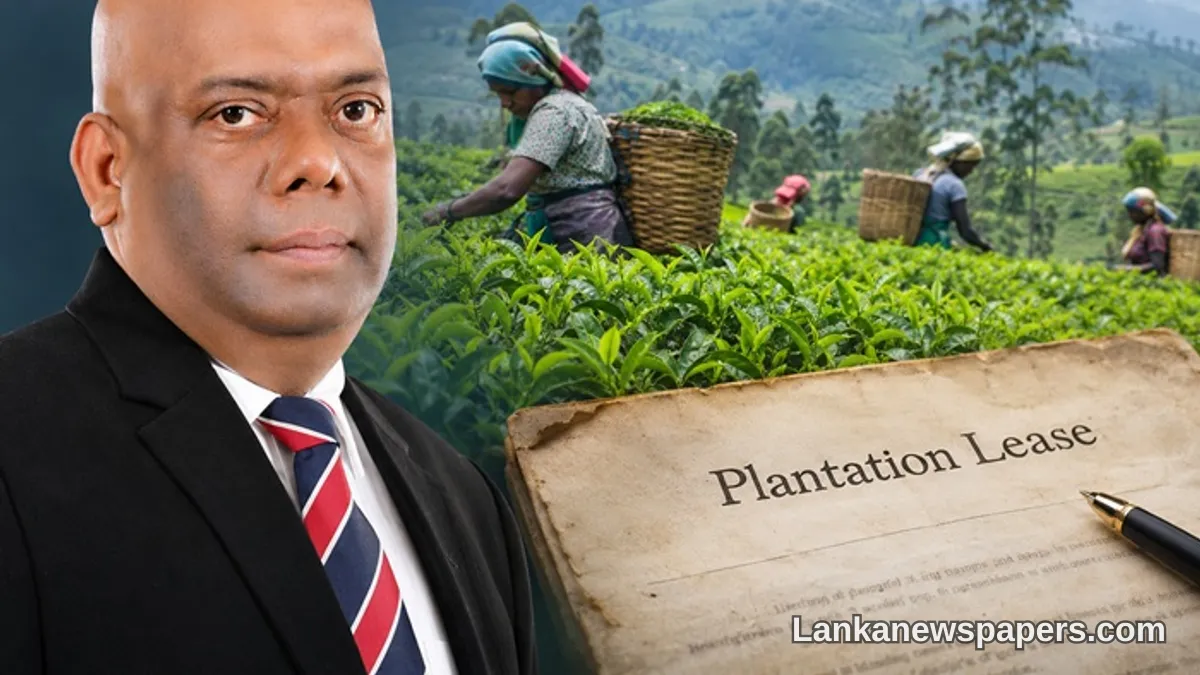
Sri Lanka's plantation sector is confronting a potentially transformative crisis, with only 19 years remaining on the land leases that underpin the country's iconic tea and rubber industries. The Chairman of the Planters' Association of Ceylon has outlined six key reforms that he argues are essential to securing the long-term viability of one of the nation's most vital economic pillars.
A Crisis Hiding in Plain Sight
The urgency of the situation becomes stark when one considers the nature of plantation agriculture. A tea bush planted today requires approximately five years before it begins yielding a commercially viable crop, and its productive lifespan stretches across several decades. With lease agreements set to expire in roughly 19 years, plantation companies face a deeply troubling dilemma: long-term agricultural investment is becoming increasingly difficult to justify under the current framework.
The Planters' Association of Ceylon, one of the most authoritative voices in the sector, is calling on policymakers to act decisively before the window for meaningful reform closes entirely.
The Six Proposed Reforms
The Association's Chairman has put forward a comprehensive set of proposals aimed at stabilising the industry and encouraging sustained investment. The six key reforms are as follows:
- Extension or renewal of plantation land leases on terms that provide long-term certainty for investors and plantation management companies.
- Rationalisation of land use policies to allow unproductive plantation land to be repurposed or developed in ways that generate revenue and support worker welfare.
- Restructuring of the wage and labour framework to reflect the economic realities facing plantation companies, while ensuring fair compensation for estate workers.
- Strengthening of research and development investment, particularly in high-yielding and climate-resilient tea and rubber varieties.
- Reform of the revenue-sharing model between the government, regional plantation companies, and smallholder growers to ensure equitable distribution of returns.
- Introduction of incentives to attract private sector investment and modernise plantation infrastructure, including factories, housing, and transportation networks.
Why the Lease Issue Is So Critical
Sri Lanka's plantation lands were nationalised in the 1970s and subsequently leased to regional plantation companies under 99-year agreements. As those leases draw closer to expiration, uncertainty over land tenure is already beginning to dampen investor confidence and discourage the long-term replanting programmes that are essential to maintaining productivity.
A tea bush planted today may take five years to produce a meaningful yield — yet current lease arrangements offer no guarantee that plantation companies will still hold the land by the time those investments fully mature.
Industry observers warn that without clear policy direction, plantation companies may progressively scale back replanting efforts, leading to a gradual but significant decline in output over the coming decades.
Broader Stakes for Sri Lanka
The plantation industry remains a cornerstone of Sri Lanka's export economy. Tea alone accounts for a substantial share of the country's foreign exchange earnings, while the sector supports the livelihoods of hundreds of thousands of estate workers and their families, many of whom live in some of the country's most economically marginalised communities.
The Planters' Association has stressed that the proposed reforms are not merely about protecting corporate interests, but about preserving a sector that is deeply woven into Sri Lanka's national identity, rural economy, and export competitiveness.
With fewer than two decades remaining before lease expiration, stakeholders across the industry are urging the government to open substantive dialogue without further delay.



💬 Join the Discussion 0
Be the first to share your view on this story.