AKD Pledges Public Consultation Before Anti-Terror and Organised Crime Laws Are Enacted
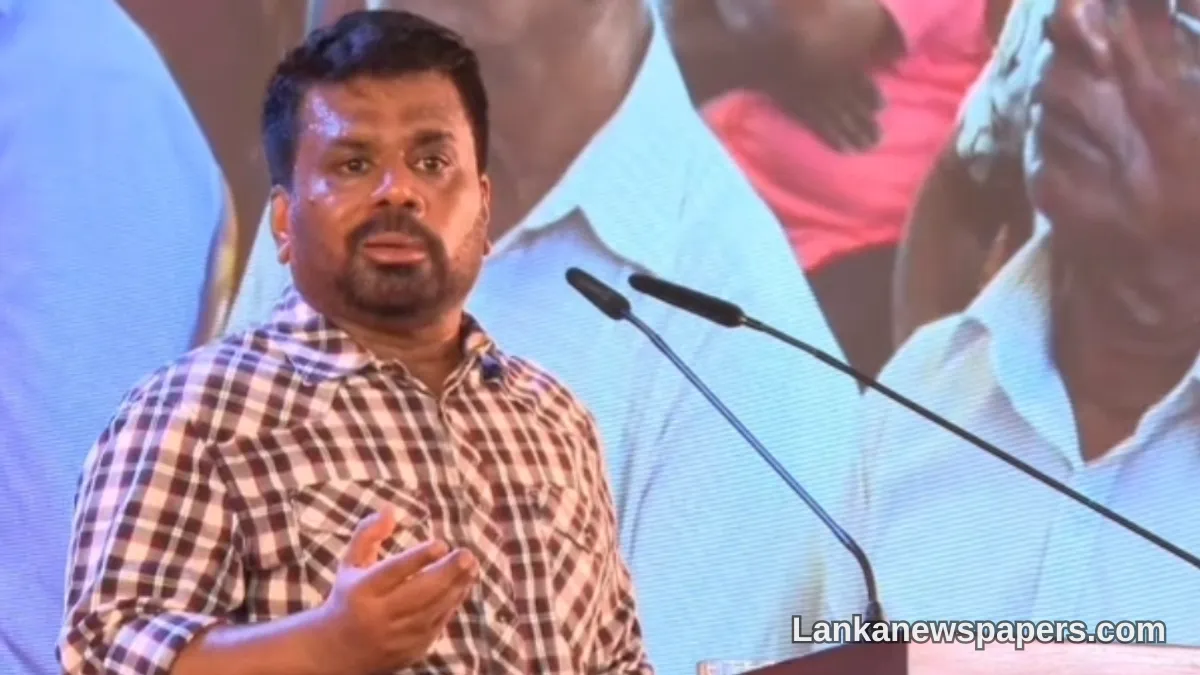
President Anura Kumara Dissanayake has given a firm assurance that two of the country's most consequential proposed pieces of legislation — a bill targeting terrorism and another aimed at combating organised crime — will not be pushed through Parliament without first seeking the views of the Sri Lankan public.
The President's pledge signals a measured approach by the government on legislation that has drawn significant scrutiny from civil society groups, legal experts, and opposition politicians who have raised concerns about potential threats to civil liberties and democratic freedoms.
A Commitment to Transparency
Speaking publicly on the matter, President Dissanayake emphasised that the administration remains committed to an open and transparent legislative process, particularly when the bills in question carry far-reaching implications for ordinary citizens. He made clear that broad public consultation would be an essential step before either bill advances toward a final vote in Parliament.
The announcement is being viewed by many observers as a direct response to mounting pressure from rights organisations and members of the legal community, who have repeatedly called on the government to slow down and allow for meaningful dialogue before enacting laws that could expand state powers in sensitive areas.
Why These Bills Matter
Both proposed laws have been subjects of intense debate since their existence became widely known. Critics have argued that legislation of this nature, if poorly drafted or inadequately scrutinised, could be misused to target political dissidents, journalists, activists, or minority communities — echoing concerns that have historically surrounded anti-terror laws in Sri Lanka and elsewhere in the region.
- The proposed anti-terrorism bill seeks to update the country's existing legal framework for dealing with terrorist threats.
- The organised crime bill is intended to give authorities stronger tools to pursue criminal networks operating across the island.
- Both bills have faced calls for independent review and wide stakeholder consultation before being tabled for a parliamentary vote.
Public Trust at the Centre of the Debate
Sri Lanka's history with emergency-style legislation has left many citizens wary of broad security laws. The long-standing Prevention of Terrorism Act, widely criticised for enabling abuses during and after the civil war, has yet to be fully repealed or replaced — making the introduction of any new security legislation a particularly sensitive matter.
President Dissanayake's assurance that these bills will not be passed without public consultation is seen as an acknowledgement that the government must earn the trust of its citizens before expanding the powers of the state.
Political analysts note that the NPP-led administration, which came to power on a platform of systemic change and good governance, faces a delicate balancing act — demonstrating its commitment to national security while honouring its promises of a more participatory and accountable style of governance.
It remains to be seen how the public consultation process will be structured, what timeline the government intends to follow, and whether the feedback gathered will result in meaningful amendments to the draft legislation. Civil society groups have already indicated they will be watching closely to ensure the process is genuine rather than ceremonial.



💬 Join the Discussion 0
Be the first to share your view on this story.