Sri Lanka's Blue Swimming Crab Earns Historic First MSC Certification After 13-Year Journey
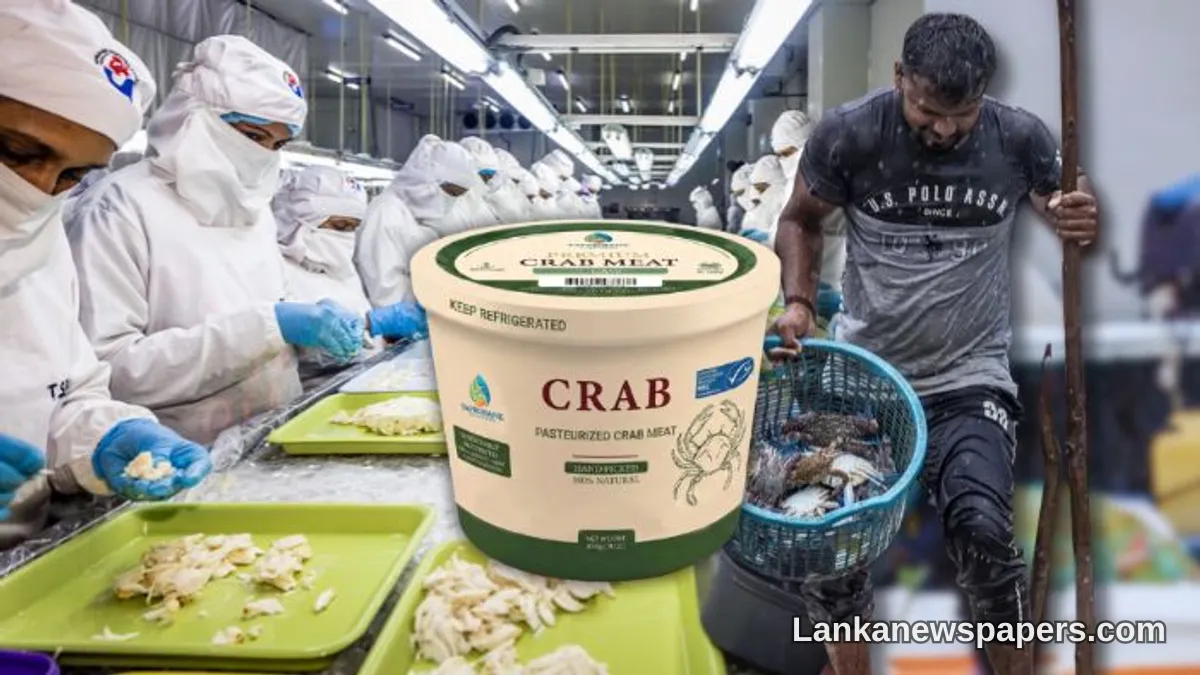
Sri Lanka has achieved a landmark milestone in sustainable fishing, with the blue swimming crab becoming the country's first fishery to receive certification from the Marine Stewardship Council (MSC) — a distinction that also makes it the first of its kind across the entire South Asian region.
A Decades-Long Pursuit of Sustainability
The certification is the culmination of an extraordinary 13-year effort that brought together local fishing communities, industry stakeholders, and Sri Lanka's Department of Fisheries. The recognition signals a transformative shift in how the island nation manages and values its marine resources, placing Sri Lanka on the global map of responsible, environmentally-conscious fisheries.
The MSC certification is widely regarded as the gold standard in sustainable seafood. To earn it, a fishery must demonstrate that fish stocks are healthy, that fishing practices minimise environmental impact, and that effective management systems are in place to ensure long-term viability.
What This Means for Sri Lankan Fishers
For the thousands of small-scale fishing families who depend on the blue swimming crab for their livelihoods, this achievement carries significant economic promise. MSC-certified seafood commands greater access to premium international markets, particularly in Europe, North America, and Japan, where consumers and retailers increasingly demand verified sustainable sourcing.
- Blue swimming crab is one of Sri Lanka's key seafood export commodities
- The certification opens doors to high-value global markets that require sustainability credentials
- Fishing communities involved in the process gained training and capacity-building support over the certification period
A Regional First With Broader Implications
Sri Lanka's achievement is expected to serve as a model for other South Asian nations looking to reform their fisheries management practices. With ocean health under increasing pressure from overfishing, climate change, and habitat degradation, the MSC certification demonstrates that rigorous, community-driven conservation efforts can yield tangible results.
The certification reflects more than a decade of dedication from fishing communities and government authorities working together toward a common goal of preserving Sri Lanka's marine heritage for future generations.
The Department of Fisheries played a central role in guiding regulatory frameworks and coordinating stakeholder engagement throughout the lengthy certification process, underscoring the importance of institutional commitment in achieving international conservation benchmarks.
Looking Ahead
Maintaining MSC certification requires ongoing assessments and continued adherence to sustainable fishing standards. Industry observers note that Sri Lanka must now focus on sustaining the practices that earned this recognition, while also exploring opportunities to expand sustainable certification to other local fisheries in the years ahead.
This historic achievement marks not an end, but the beginning of a new chapter for Sri Lanka's fishing industry — one defined by responsibility, resilience, and global credibility.


💬 Join the Discussion 3
See what readers are saying — and add your view.
good news for the fishing ppl in the north and east finally some recognition
13 years just for a certificate? what were they doing all this time
better late than never no, at least now export prices will go up