Bus and School Van Fares Frozen After Fuel Price Hike, Three-Wheeler Operators Split on Response
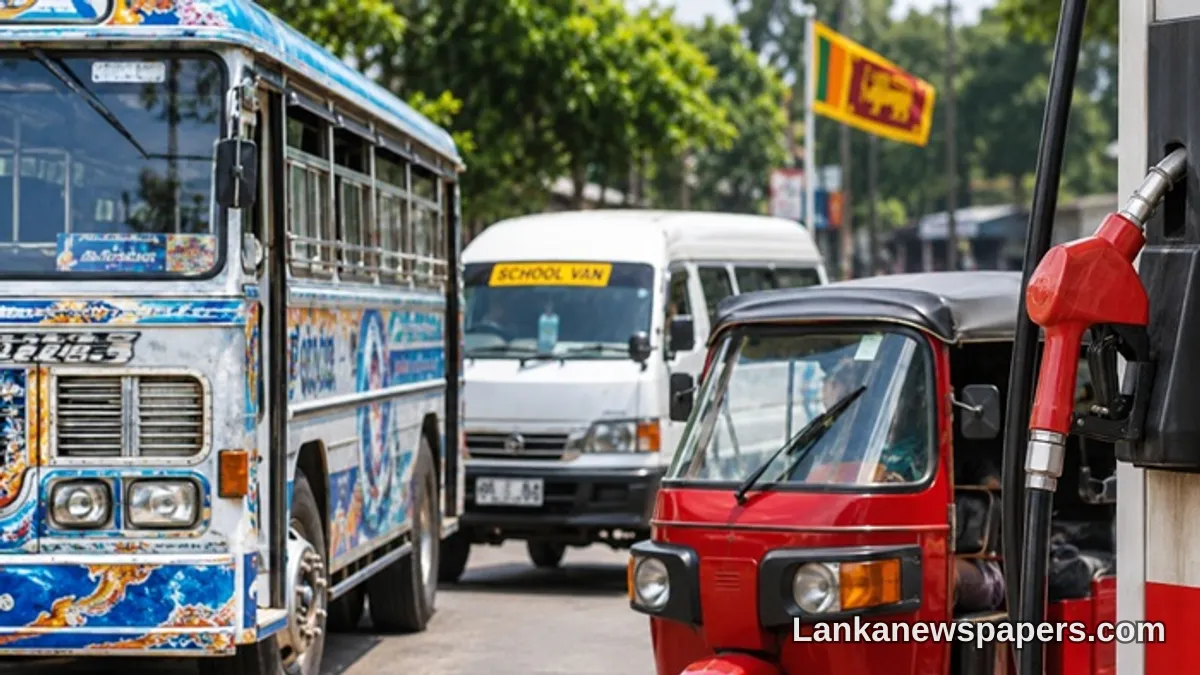
Commuters and parents across Sri Lanka can breathe a sigh of relief as authorities have confirmed that bus fares and school van transport charges will not be revised upward following the latest round of fuel price increases, even as three-wheeler operators remain divided over how to respond to the added financial burden.
Fares Held Steady for Public and School Transport
Despite the pressure that rising fuel costs place on transport operators, the government has signalled that fares for public buses and school vans will be kept at their current levels for the time being. The decision is expected to ease concerns among daily commuters and families who depend on these services to manage their household budgets.
School van operators, many of whom run small, family-based transport businesses, have been absorbing increased running costs without passing them on to parents. The move has been welcomed by families already contending with the broader cost-of-living pressures affecting households island-wide.
Three-Wheeler Sector Remains Divided
The picture is less straightforward within the three-wheeler industry, where operators are yet to reach a unified position on whether to increase fares in response to the fuel price adjustment. While some operators argue that hiking fares is unavoidable given rising operational costs, others have urged restraint, cautioning that fare increases could drive away passengers and damage livelihoods in the long run.
- A section of three-wheeler operators is pushing for an immediate upward revision of fares to offset fuel expenditure.
- Another group has called for consultations with relevant authorities before making any unilateral changes.
- Some individual operators have already begun informally charging higher rates, creating inconsistency for passengers.
Wider Impact on Commuters
The latest fuel price revision has renewed anxieties about transport affordability in Sri Lanka, where a significant portion of the population relies on public and informal transport networks for daily movement. Any increase in three-wheeler fares, even if unofficial, is likely to be felt acutely by low and middle-income commuters who use the service as a first- and last-mile transport option.
The stability of bus and school van fares offers some protection to ordinary Sri Lankans, but the unresolved situation within the three-wheeler sector means uncertainty remains for a large number of daily travellers.
Transport analysts have noted that a clear, regulated framework for fare adjustments tied to fuel price movements would help prevent the confusion and inconsistency that tends to emerge each time fuel prices are revised. Until such a mechanism is in place, passengers may continue to face unpredictable pricing, particularly in the informal three-wheeler sector.
Authorities have not yet indicated when or whether a formal review of three-wheeler fares will be conducted in light of the latest developments.

💬 Join the Discussion 2
See what readers are saying — and add your view.
good for students but how long can they keep fares frozen like this
exactly, drivers also have bills to pay no