The Political Cost of Economic Pain: How Reform-Driven Governments From Sri Lanka to Argentina Face a Public Backlash
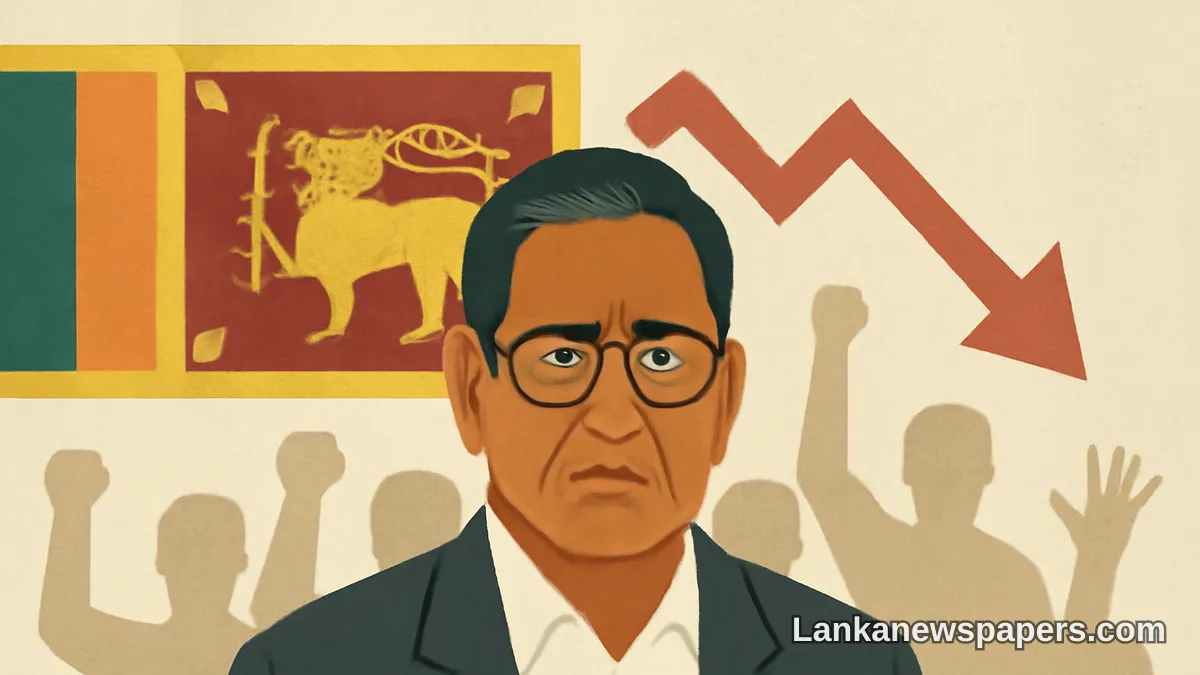
Across the developing world, governments that have embraced bold economic reform programmes are discovering a harsh political reality — the very policies designed to stabilise their economies are generating fierce resistance at home, as ordinary citizens bear the brunt of austerity, higher taxes, and subsidy cuts.
A Global Pattern of Reform and Resentment
From Latin America to South Asia, nations grappling with debt crises and fiscal imbalances have turned to structural reform packages, often backed by the International Monetary Fund, as a pathway to economic recovery. But while financial markets and international creditors may applaud the discipline, voters on the ground are increasingly pushing back against the sacrifices demanded of them.
Argentina and Sri Lanka stand as two of the most striking examples of this tension — countries where economic collapse forced governments into painful corrective measures, and where the social and political consequences of those measures continue to reverberate.
Sri Lanka's Reform Journey
Sri Lanka, still navigating the aftermath of its catastrophic 2022 economic crisis, has been implementing a sweeping reform agenda tied to its IMF bailout programme. The measures have included sharp increases in taxes, electricity tariffs, and fuel prices, alongside efforts to restructure the country's substantial foreign debt.
While macroeconomic indicators have shown signs of stabilisation — with inflation cooling and foreign reserves gradually recovering — the human cost of the adjustment has been significant. Households continue to struggle with reduced purchasing power, and public frustration with the pace and fairness of the recovery remains high.
The political landscape has reflected this discontent. Sri Lankan voters have signalled their displeasure through electoral choices, demanding accountability from those in power while also expressing deep scepticism about whether reform benefits will eventually trickle down to working families and the poor.
Argentina's Radical Experiment
Argentina, under President Javier Milei, has pursued one of the most aggressive austerity programmes in the world, slashing government spending, eliminating subsidies, and drastically reducing the size of the public sector. The government has framed these measures as a necessary shock treatment for an economy long plagued by chronic deficits and hyperinflation.
The results have been mixed. Inflation, while still elevated, has shown signs of declining from its peak. However, poverty rates have risen sharply, and large sections of the Argentine population have taken to the streets to protest cuts to public services, pensions, and education funding.
The Central Dilemma for Reform Governments
The experiences of both countries highlight a fundamental challenge for governments undertaking economic reform:
- Short-term pain is concentrated and immediate, affecting wages, jobs, and living costs.
- Long-term gains are diffuse, delayed, and often uncertain in the eyes of the public.
- Political cycles rarely align with the timeline required for structural reforms to bear fruit.
- Vulnerable populations disproportionately absorb the costs of adjustment.
This mismatch creates a volatile environment in which reform programmes, even technically sound ones, can unravel due to political pressure before they deliver meaningful improvements.
What This Means for Sri Lanka
The central lesson emerging from these global experiences is that economic reform, to be sustainable, must be accompanied by credible social protection measures and transparent communication about who bears the costs and who ultimately benefits.
For Sri Lanka, the path ahead requires not only fiscal discipline but also a genuine effort to shield the most vulnerable from the harshest effects of adjustment. Public trust, once eroded by economic mismanagement and political missteps, is difficult to rebuild — and without it, even the most well-designed reform programme risks being derailed.
As Sri Lanka continues its recovery, the international experience suggests that governments which fail to bring their citizens along on the reform journey — explaining the rationale, distributing the burden fairly, and delivering visible improvements in quality of life — are likely to face the same backlash that has troubled administrations from Buenos Aires to Colombo.
💬 Join the Discussion 4
See what readers are saying — and add your view.
but what option? cant keep printing money and pretending everything fine.
Argentina and us in same article. we really hit rock bottom huh.
reforms always hurt the poor first. rich ppl manage somehow no.
exactly. subsidy cut, bus fare went up, my salary same as before.