Hambantota Port Poised to Reap Benefits as Global Shipping Returns to Suez Canal Route
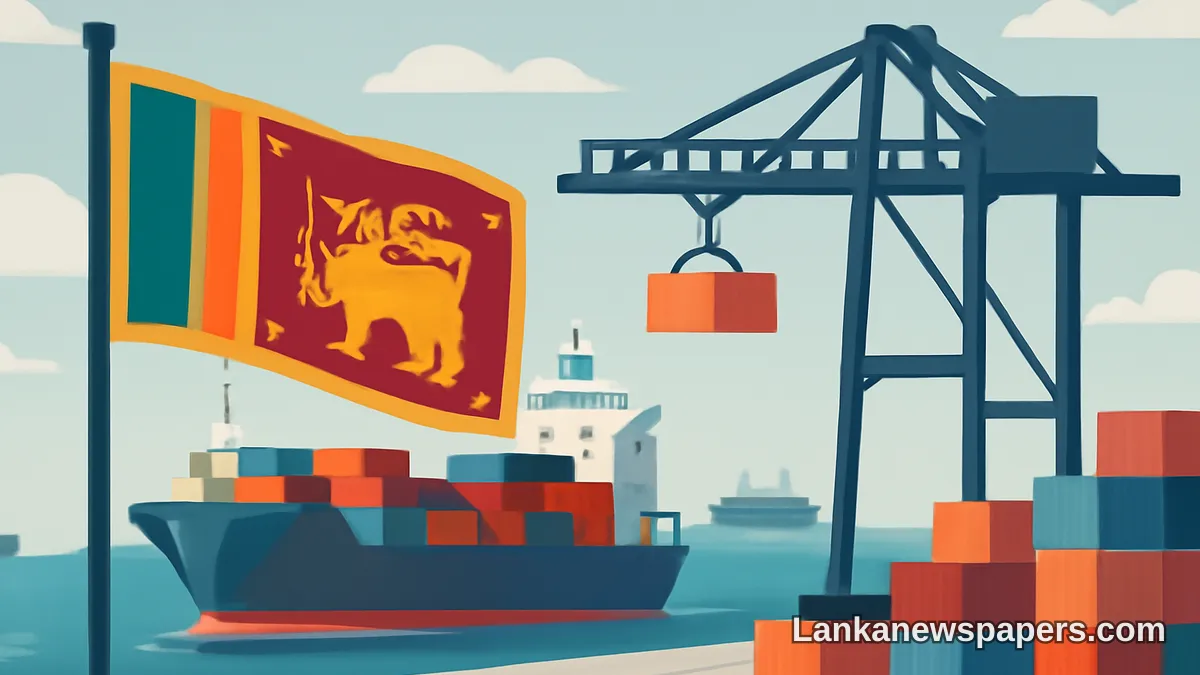
Hambantota International Port Group (HIPG) is setting its sights on a significant surge in business as the global container shipping industry moves toward restoring its traditional transit route through the Suez Canal, a development that could place the southern Sri Lankan port at the heart of one of the world's busiest maritime corridors.
A Strategic Window Opens
Maritime consultancy Linerlytica has projected that a full-scale return of container vessels to the primary East–West shipping lane — which runs through the Suez Canal and passes close to Sri Lanka's southern coastline — would dramatically increase vessel traffic in waters where Hambantota Port is ideally situated to serve as a key transshipment and bunkering hub.
The anticipated route shift follows a prolonged period during which many major shipping lines were forced to divert their vessels around the Cape of Good Hope, bypassing the Suez Canal altogether. That detour, driven largely by security concerns in the Red Sea region, significantly lengthened voyage times and increased operating costs for carriers worldwide.
Hambantota's Geographic Advantage
Hambantota Port's location along the southern tip of Sri Lanka places it directly along the East–West trade artery connecting Asia, the Middle East, and Europe. Industry analysts have long noted that the port holds tremendous untapped potential as a transshipment centre, given its deep-water facilities and proximity to international shipping lanes.
As shipping lines recalibrate their operations and return to the Suez route, ports positioned along this corridor stand to benefit from increased calls, cargo volumes, and ancillary maritime services. HIPG, which is operated in partnership with China Merchants Port Holdings, has been steadily upgrading its infrastructure to accommodate this anticipated growth.
Broader Implications for Sri Lanka
A sustained increase in activity at Hambantota Port would carry significant economic implications for Sri Lanka, particularly for the country's southern region, which has historically lagged behind Colombo in terms of commercial development and employment opportunities.
- Increased port activity could generate direct and indirect employment in logistics, maritime services, and related industries.
- Greater transshipment volumes would boost government revenue through port fees, duties, and associated charges.
- Enhanced shipping connectivity could attract further foreign investment into the Hambantota district's industrial zones.
Sri Lanka has been working to leverage both Colombo and Hambantota ports as complementary nodes in its broader maritime strategy, with the government keen to position the island nation as a premier Indian Ocean shipping hub.
Cautious Optimism
While the outlook appears promising, port officials and industry observers have urged measured expectations. The return of shipping traffic to the Suez Canal route is contingent on a sustained improvement in Red Sea security conditions, and any renewed escalation in the region could prompt carriers to revert to the longer Cape of Good Hope diversion.
Nevertheless, HIPG's strategic positioning and ongoing capacity enhancements suggest that the port is better prepared than ever before to capitalise on any meaningful upturn in East–West maritime traffic — a prospect that will be closely watched by stakeholders across Sri Lanka's shipping and logistics sectors.



💬 Join the Discussion 4
See what readers are saying — and add your view.
can someone explain how ordinary sri lankans gain from this? genuine question
china running the port so china gets the money, simple as that
finally some good news for hambantota, lets see if we actually benefit this time
benefit to who exactly? not the people living there thats for sure