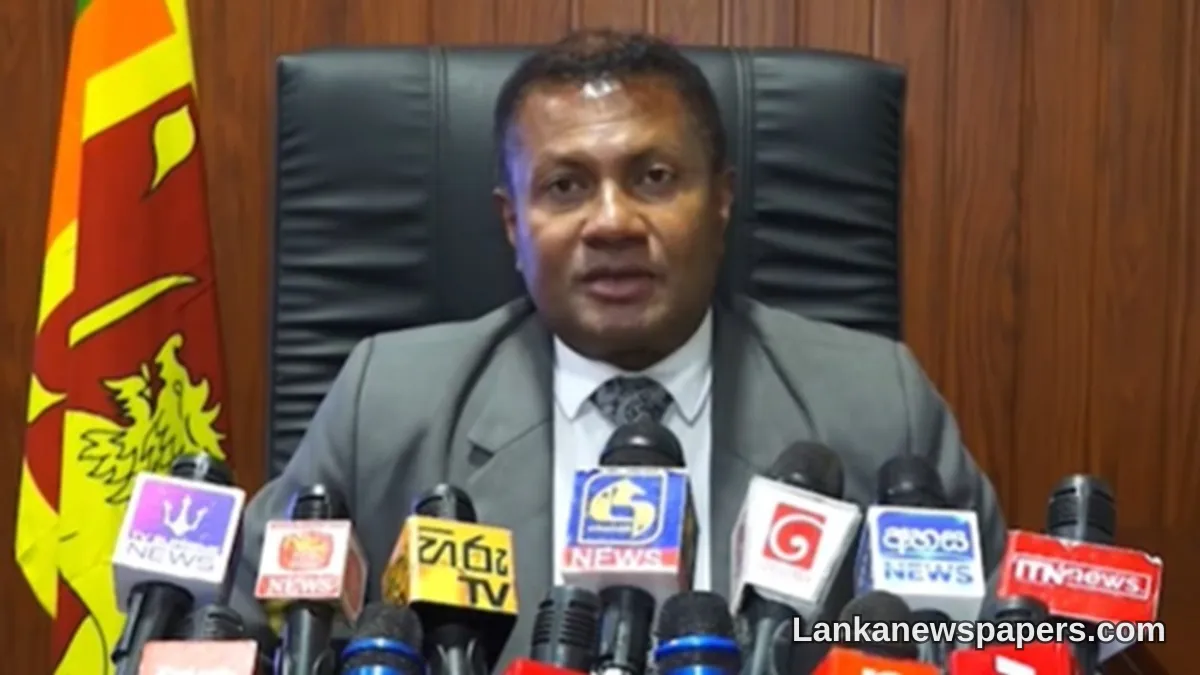
Sri Lanka's Department of Motor Traffic (DMT) is drawing up plans to introduce compulsory roadworthiness testing for vehicles across the island, with inspections potentially required every three months or every 5,000 kilometres — whichever comes first.
A Major Shift in Vehicle Regulation
The proposed policy marks a significant departure from the current system and is expected to be rolled out from early next year, according to DMT officials. The initiative is aimed at improving road safety standards and reducing the number of accidents caused by poorly maintained vehicles on Sri Lankan roads.
Under the new framework, vehicle owners would be required to present their vehicles for formal fitness assessments at designated inspection centres at regular intervals. Failure to comply could result in vehicles being barred from public roads until they meet the required safety standards.
Why the Change Is Needed
Road safety advocates and transport authorities have long raised concerns about the condition of vehicles operating on Sri Lankan roads, particularly older models and commercial transport. The introduction of a structured and frequent testing regime is seen as a step toward addressing these concerns in a systematic manner.
- Tests would be mandatory for all registered vehicles
- Inspections scheduled every three months or every 5,000 kilometres
- Non-compliant vehicles may be restricted from road use
- Rollout expected from early next year
Public and Industry Reaction
The announcement is likely to generate strong reactions from vehicle owners and the transport industry alike. While road safety groups are expected to welcome the move, concerns have already begun to surface around the cost and convenience of such frequent inspections, particularly for private vehicle owners and small-scale transport operators who rely on their vehicles for daily income.
The DMT has indicated that the specifics of the implementation plan, including the locations of authorised inspection centres and fee structures, will be announced ahead of the official launch.
What Vehicle Owners Should Know
Although full details are yet to be confirmed, motorists are advised to stay informed about the upcoming regulatory changes. The DMT is expected to release comprehensive guidelines covering which vehicle categories will be subject to the new requirements and how the inspection process will be conducted.
As Sri Lanka works to modernise its transport regulatory framework, the proposed fitness testing regime represents one of the more ambitious reforms to vehicle oversight in recent years — one that could have a lasting impact on road safety across the country.



💬 Join the Discussion 1
See what readers are saying — and add your view.
every 3 months? who has time and money for that nonsense