Supreme Court Takes Up Legal Challenges Against Sri Lanka's Controversial New Anti-Terror Legislation
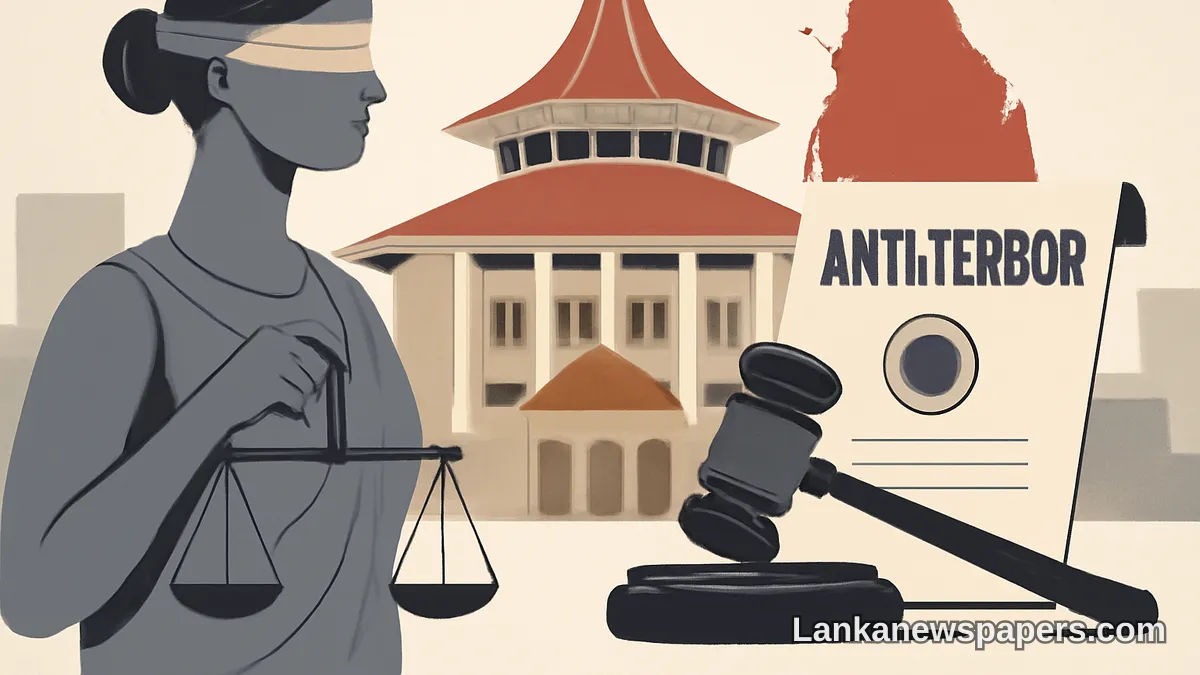
Sri Lanka's Supreme Court has commenced hearing petitions challenging the country's newly introduced anti-terrorism legislation, as legal scrutiny intensifies over the bill's implications for civil liberties and fundamental rights.
Petitions Brought Before the Court
The Supreme Court has begun examining a series of challenges filed against the new terrorism bill, with petitioners raising concerns about the law's potential impact on constitutional rights and freedoms. The hearing marks a significant moment in the ongoing debate surrounding the legislation, which has drawn criticism from civil society groups, legal experts, and minority community representatives since its introduction.
Concerns Over Civil Liberties
Critics of the bill have long argued that its broad provisions could be misused to target political dissent, journalists, and minority communities, particularly Tamils, who have historically borne the brunt of sweeping security legislation in Sri Lanka. Opponents contend that the bill, despite being positioned as a replacement for the much-criticised Prevention of Terrorism Act, retains similarly problematic clauses.
- Concerns have been raised over vague definitions of terrorism-related offences
- Critics warn that the legislation could be used to suppress peaceful protest and free expression
- Minority and civil society groups have called for comprehensive reforms before any such law is enacted
A Critical Legal Juncture
The Supreme Court's intervention is seen as a crucial checkpoint in determining whether the new legislation aligns with Sri Lanka's constitutional guarantees and international human rights obligations.
Legal observers note that the outcome of these hearings could have far-reaching consequences for the shape of the final law. If the court finds certain provisions inconsistent with fundamental rights, Parliament would be required to address those concerns before the bill can be passed into law.
The proceedings are being closely watched by human rights organisations, legal professionals, and political stakeholders both within Sri Lanka and internationally, as the country continues to navigate the balance between national security concerns and the protection of democratic freedoms.

💬 Join the Discussion 1
See what readers are saying — and add your view.
finally someone challenging this law, been worried about this for months