Sri Lankan-Born Baby of NZ Residents Faces Uncertain Future After Down Syndrome Diagnosis
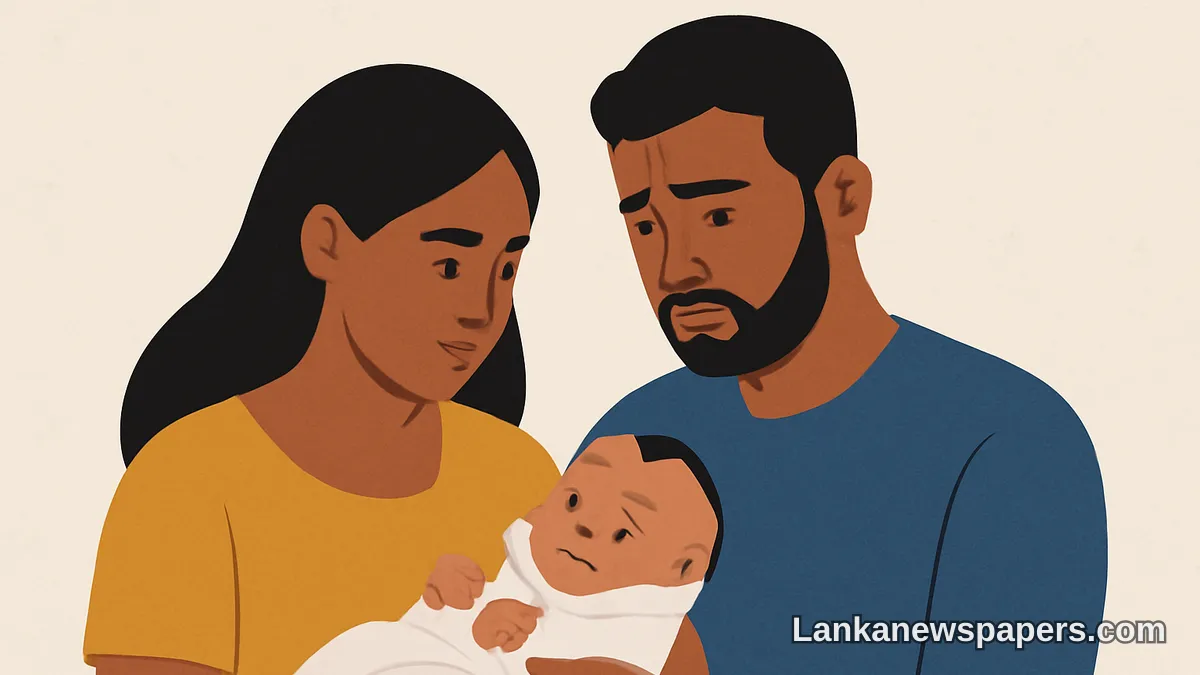
A newborn infant has been left in a deeply uncertain situation after being diagnosed with Down syndrome following his birth in Sri Lanka to parents who are permanent residents of New Zealand, raising urgent questions about immigration policy, parental rights, and the welfare of children with disabilities.
A Family Torn Between Two Countries
The baby boy was born in Sri Lanka while his parents, who hold permanent residency status in New Zealand, were visiting the island. Following the diagnosis, the family now finds themselves caught in a bureaucratic and emotional limbo, unable to easily return to New Zealand with their child due to complications arising from his medical condition.
New Zealand's immigration framework includes health-related criteria that can complicate or delay visa and residency applications for individuals deemed likely to place significant demands on the country's public health system. Down syndrome, a chromosomal condition that often requires ongoing medical support, has historically triggered such assessments under these provisions.
The Human Cost of Policy
The situation has drawn attention to the intersection of immigration law and disability rights, with advocates arguing that blanket health-cost assessments can amount to discrimination against individuals with disabilities and their families.
Families in such circumstances are often left navigating complex legal and medical systems at one of the most vulnerable moments of their lives, with little clarity on how or when their situation will be resolved.
For the parents, the diagnosis has transformed what was meant to be a routine visit to Sri Lanka into an indefinite and emotionally exhausting wait. The child, born on Sri Lankan soil, holds Sri Lankan citizenship by birth, yet his long-term future remains deeply unclear.
Broader Implications for Sri Lankan Diaspora
The case is of particular significance to Sri Lanka's large and globally dispersed diaspora community, many of whom regularly travel back to the island for family visits, cultural occasions, or medical reasons. The prospect of a child being born under such circumstances and then facing immigration hurdles in the family's country of residence is a sobering reminder of the vulnerabilities diaspora families can face.
Community groups and legal advocates are understood to be monitoring the case closely, with some calling on New Zealand authorities to exercise compassion and flexibility in resolving the family's status.
What Happens Next
It remains unclear at this stage what legal avenues the family is pursuing or what the precise timeline for resolution might be. New Zealand immigration officials have not made any public comment specifically regarding this case.
The infant continues to receive care in Sri Lanka while his parents await a pathway that will allow them to return home as a family. Advocacy groups are hopeful that the case will prompt wider dialogue around how immigration systems across the world treat families with children who have disabilities.
As Sri Lanka and its diaspora communities watch the situation unfold, many are calling for a humane and just resolution — one that keeps a family together and upholds the dignity of every child, regardless of their medical needs.
💬 Join the Discussion 1
See what readers are saying — and add your view.
NZ goverment should take responsibility, this baby is their residents child no?