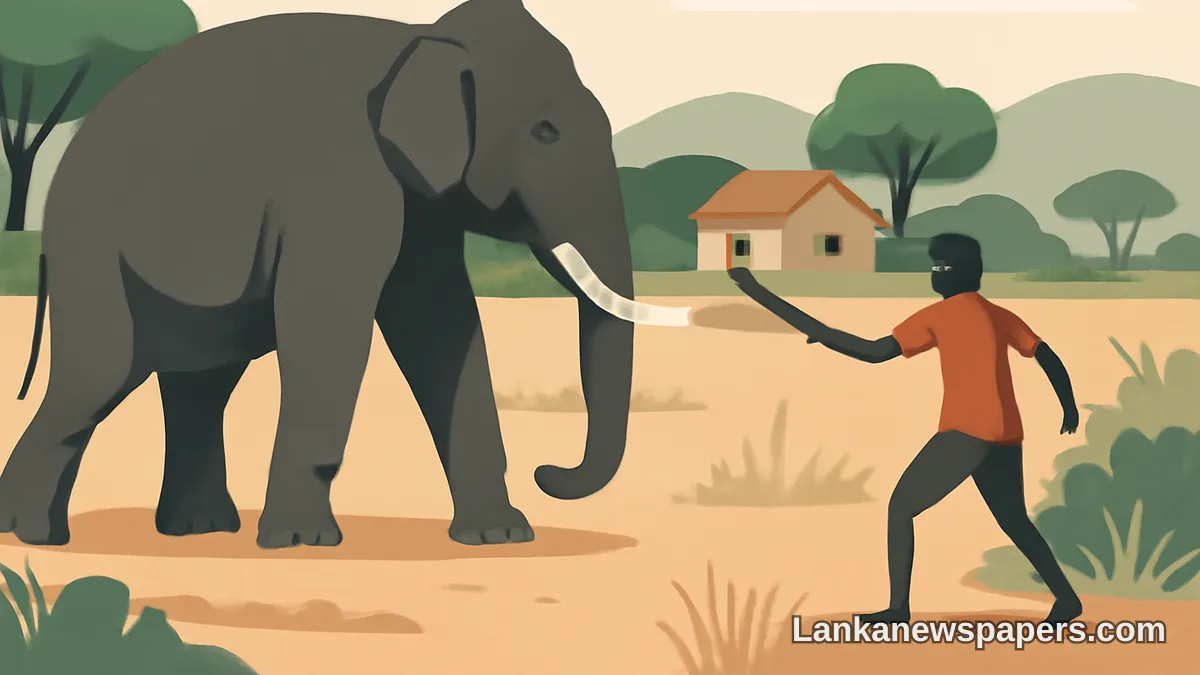
Sri Lanka is grappling with one of its most pressing and heartbreaking environmental crises — a deepening conflict between human communities and wild elephants that is claiming lives on both sides with alarming regularity.
A Crisis Growing in Scale
The island nation is home to one of the largest populations of Asian elephants in the world, a species revered in Sri Lankan culture and central to its Buddhist traditions. Yet despite this deep-rooted reverence, the relationship between humans and elephants has grown increasingly dangerous, as expanding settlements push deeper into territories these great animals have roamed for centuries.
Each year, dozens of people are killed in elephant encounters across rural Sri Lanka, while a significant number of elephants also perish — shot, poisoned, or struck by trains as they wander across fragmented landscapes in search of food and water.
Shrinking Habitats, Rising Tensions
At the heart of the conflict lies the steady destruction and fragmentation of elephant habitats. As agricultural land expands and villages grow, elephants are increasingly cornered into smaller patches of jungle. Driven by hunger, they raid farmland and villages at night, destroying crops that rural families depend on for their livelihoods.
For many farming communities, the arrival of a herd can mean the loss of an entire season's harvest in a single night — a devastating blow that fuels resentment and, at times, violent retaliation against the animals.
Lives Lost on Both Sides
The human toll is stark. Villagers, many of them farmers returning home after dark, are frequently caught in fatal encounters with elephants navigating the same roads and pathways. In response, some communities have resorted to deploying electric fences, firecrackers, and in extreme cases, poisoned food or crude explosives known as hakka patas — a practice that has led to horrific injuries and deaths among elephant populations.
Wildlife officials have recorded troubling numbers of elephant deaths annually, with many attributed directly to human retaliation rather than natural causes.
Government and Conservation Efforts
Sri Lanka's Department of Wildlife Conservation has been working to address the crisis through several initiatives, including the installation of electric fencing around vulnerable villages and the use of trained elephant drives to redirect herds away from populated areas. Authorities have also explored the use of early-warning systems to alert communities when elephants are nearby.
However, conservationists argue that these measures remain insufficient without a broader, more coordinated national strategy that addresses habitat restoration, wildlife corridor protection, and meaningful compensation for farmers who suffer losses.
A Cultural Paradox
The conflict presents a profound paradox for Sri Lankan society. The elephant holds an almost sacred place in the nation's identity — honoured in religious processions, depicted on ancient carvings, and protected under national law. Yet the practical realities of rural life place ordinary citizens in direct and often fatal competition with these very animals.
Conservationists warn that without urgent, long-term intervention, Sri Lanka risks losing not only human lives but also a significant portion of its wild elephant population — an outcome that would be both an ecological tragedy and a cultural loss of immeasurable proportions.
The Path Forward
Experts stress that resolving the human-elephant conflict will require more than fences and deterrents. Long-term solutions must include protecting and restoring wildlife corridors that allow elephants to move safely between habitats, reducing the pressure on both communities and animals alike.
Community education, fair compensation schemes for crop losses, and greater investment in coexistence strategies are all seen as essential components of any lasting resolution. For a country that has long prided itself on its relationship with these magnificent creatures, finding that balance has never been more urgent.


💬 Join the Discussion 4
See what readers are saying — and add your view.
how many ppl have died this year already, anyone know the number?
both sides suffering lah, elephants losing habitat too
goverment does nothing until someone dies, then they act surprised
exactly, same story every year no?