Indian Pharma Giant Zydus Lifesciences to Build $20 Million Drug Manufacturing Plant in Sri Lanka by 2028
Major Pharmaceutical Investment Set to Boost Sri Lanka's Healthcare Sector
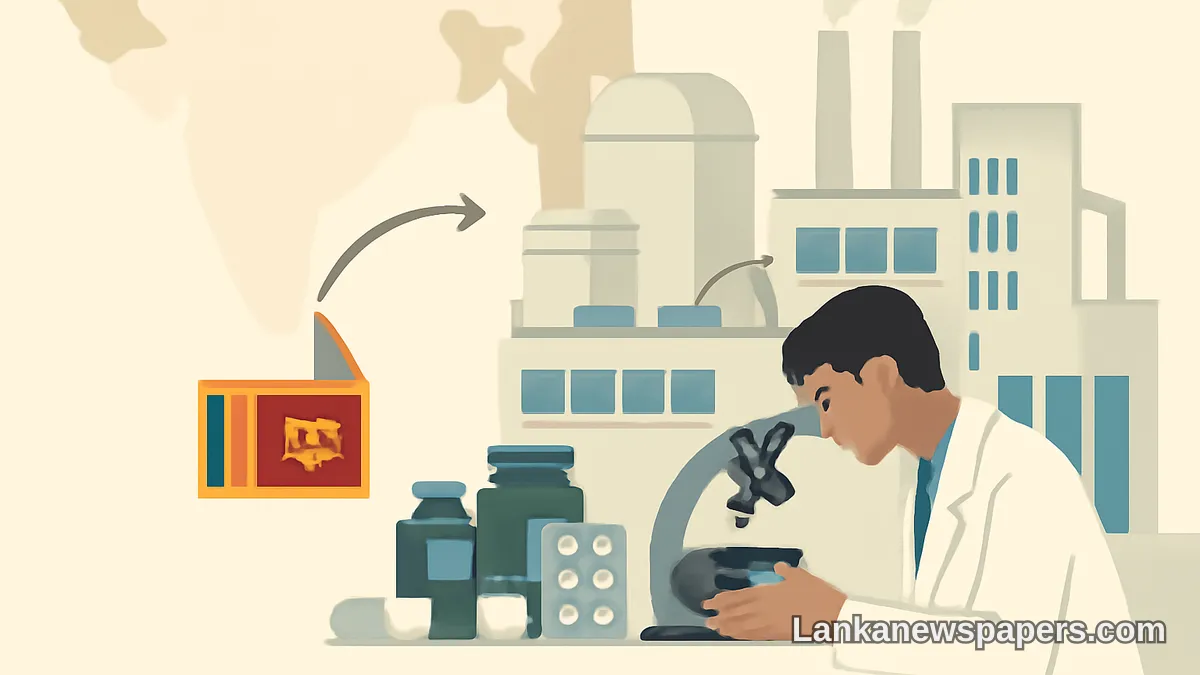
Indian pharmaceutical company Zydus Lifesciences has signed a formal agreement to establish a state-of-the-art drug manufacturing facility in Sri Lanka, with the project valued at approximately $20 million and targeted for completion by 2028.
A Significant Step for Sri Lanka's Pharmaceutical Industry
The deal marks one of the more notable foreign direct investments in Sri Lanka's pharmaceutical sector in recent years, as the island nation continues its efforts to attract overseas capital following its economic recovery. The planned plant is expected to significantly strengthen local medicine production capacity, reducing the country's heavy dependence on pharmaceutical imports.
Zydus Lifesciences, headquartered in Ahmedabad, India, is a well-established name in the global pharmaceutical industry, with a presence across multiple international markets. The company's decision to invest in Sri Lanka signals growing confidence in the country's improving business environment and its strategic position as a regional hub.
Economic and Healthcare Implications
The establishment of a domestic pharmaceutical manufacturing plant is expected to deliver several key benefits for Sri Lanka, including:
- Reduced reliance on imported medicines, helping to ease pressure on foreign exchange reserves
- Creation of skilled employment opportunities in the pharmaceutical and healthcare sectors
- Improved availability and potentially lower costs of essential medicines for the local population
- Transfer of technical expertise and manufacturing knowledge to Sri Lankan professionals
Broader Investment Climate
This agreement comes as Sri Lanka actively pursues foreign investment to rebuild and diversify its economy. The government has been engaging with international partners across multiple industries, and the Zydus Lifesciences commitment is seen as a positive signal to other potential investors considering the Sri Lankan market.
With the facility expected to be fully operational by 2028, stakeholders in both the public and private healthcare sectors will be watching the project's progress closely, hopeful that it will mark the beginning of a more self-sufficient pharmaceutical industry for Sri Lanka.



💬 Join the Discussion 2
See what readers are saying — and add your view.
finally some real investment coming. hope goverment doesnt mess this up
they will mess it up, give it time