Health Authorities Sound Alarm Over Rising HIV Infections Linked to Male Sexual Contact in Sri Lanka
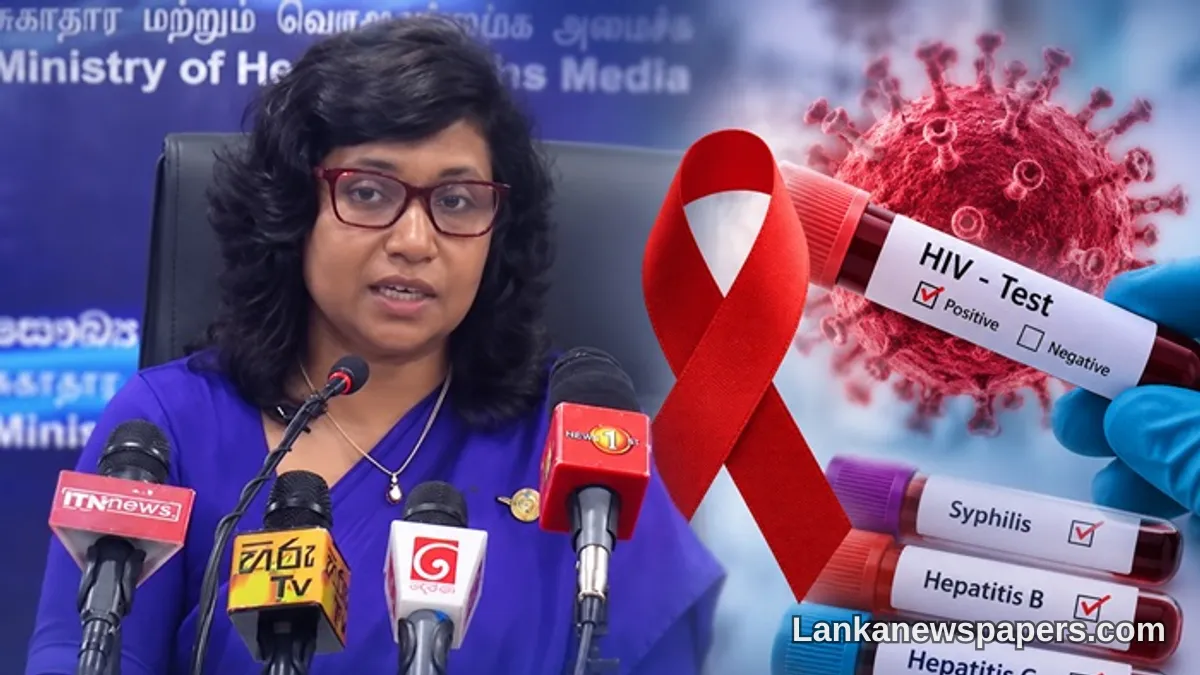
Sri Lanka is experiencing a concerning rise in HIV infections, with health authorities issuing urgent warnings about the growing threat of sexually transmitted infections (STIs) across the country. Among the key drivers identified, male-to-male sexual contact has emerged as a significant contributing factor to the upward trend in new HIV cases.
A Growing Public Health Concern
Medical experts and public health officials have highlighted the increasing number of HIV diagnoses as a serious challenge facing Sri Lanka's healthcare system. The trend has prompted calls for more targeted prevention strategies, improved public awareness campaigns, and greater access to testing and treatment services across the island.
Male-to-Male Contact Identified as Major Risk Factor
Health specialists have pointed to male-to-male sexual contact as one of the primary transmission routes contributing to the rise in new infections. Authorities stress that stigma and discrimination surrounding this issue continue to discourage many at-risk individuals from seeking timely medical attention, testing, or counselling, further fuelling the spread of the virus.
The Broader STI Landscape
Beyond HIV, health officials have expressed concern over the wider prevalence of sexually transmitted infections in Sri Lanka. Experts note that the spread of STIs often goes hand in hand with HIV transmission, making the management of these infections a critical component of any effective national response.
- Increased access to HIV testing and counselling services is being urged
- Public health campaigns targeting at-risk communities are considered essential
- Reducing stigma around HIV and STIs remains a top priority for health authorities
- Early diagnosis and treatment are key to preventing further transmission
Call for Greater Awareness and Action
Health professionals are urging the government and relevant stakeholders to invest more resources in education and outreach programmes aimed at reducing risky behaviours and promoting safe practices. Community-based interventions, particularly those designed to reach marginalised and high-risk groups, are considered vital to curbing the spread of HIV.
Health experts emphasise that addressing HIV effectively requires not only medical intervention but also a societal shift in attitudes — one that replaces fear and judgement with openness, compassion, and a commitment to public health.
Sri Lanka's health authorities continue to monitor the situation closely and are working with international partners to strengthen the national HIV response, ensuring that prevention, care, and support services remain accessible to all who need them.


💬 Join the Discussion 3
See what readers are saying — and add your view.
this is why sex education in schools is so important no
goverment needs to do proper awareness campaigns, not just hide this topic
exactly, they always hush hush about these things until too late